Home Blog Page 54

WOUND CARE

WOUND CARE – First Aid, Initial Treatment, Daily Treatment, Healing Phase and Wound Care Methods

First Aid

  • If the patient arrives at the health facility without first aid having been given, drench the burn thoroughly with cool water to prevent further damage and remove all burned clothing.
  • If the burn area is limited, immerse the site in cold water for 30 minutes to reduce pain and edema and to minimize tissue damage
  • If the area of the burn is large, after it has been do used with cool water, apply clean wraps about the burned area (or the whole patient) to prevent systemic heat loss and hypothermia
  • Hypothermia is a particular risk
  • First 6 hours following injury are critical; transport the patient with severe burns to a hospital as soon as possible

Initial Treatment

  • Initially, burns are sterile. Focus the treatment on speedy healing and prevention of infection
  • In all cases, administer tetanus prophylaxis
  • Except in very small burns, debride all bullae. Excise adherent necrotic (dead) tissue initially and debride all necrotic tissue over the first several days
  • After debridgement, gently cleanse the burn with 0.25% (2.5 g/liter) chlorhexidine solution, 0.1% (1 g/liter) cetrimide solution, or another mild water-based antiseptic.
  • Do not use alcohol-based solutions
  • Gentle scrubbing with remove the loose necrotic tissue. Apply a thin layer of antibiotic cream (silver sulfadiazine)
  • Dress the burn with petroleum gauze and dry gauze thick enough to prevent seepage to the outer layers

Daily Treatment

  • Change the dressing daily (twice daily if possible) or as often as necessary to prevent seepage through the dressing. On each dressing change, remove any loose tissue.
  • Inspect the wounds for discoloration or hemorrhage, which indicate developing infection
  • Fever is not a useful sign as it may persist until the burn wound is closed
  • Cellulitis in the surrounding tissue is a better indicator of infection
  • Give systemic antibiotics in cases of hemolytic streptococcal wound infection or septicemia
  • Pseudomonas aeruginosa infection often results in septicemia and death. Treat with systemic aminoglycosides
  • Administer topical antibiotic chemotherapy daily. Silver nitrate (0.5% aqueous) is the cheapest, is applied with occlusive dressings but does not penetrate eschar. It depletes electrolytes and stains the local environment
  • Use silver sulfadiazine (1% miscible ointment) with a single layer dressing. It has limited eschar penetration and may cause neutropenia
  • Mafenide acetate (11% in a miscible ointment) is used without dressings. It penetrates eschar but causes acidosis. Alternating these agents is an appropriate strategy
  • Treat burned hands with special care to preserve function

Cover the hands with silver sulfadiazine and place them in loose polythene gloves or bags secured at the wrist with a crepe bandage;

Elevate the hands for the first 48 hours, and then start hand exercises;

At least once a day, remove the gloves, bathe the hands, inspect the burn and then reapply silver sulfadiazine and the gloves;

If skin grafting is necessary, consider treatment by a specialist after healthy granulation tissue appears

Healing Phase

  • The depth of the burn and the surface involved influence the duration of the healing phase. Without infection, superficial burns heal rapidly
  • Apply split thickness skin grafts to full-thickness burns after wound excision or the appearance of healthy granulation tissue
  • Plan to provide long-term care to the patient
  • Burns scars undergo maturation, at first being red, raised and uncomfortable. They frequently become hypertrophic and form keloids. They flatten, soften and fade with time, but the process is unpredictable and can take up to two years

In Children

  • The scars cannot expand to keep pace with the growth of the child and may lead to contractures
  • Arrange for early surgical release of contractures before they interfere with growth
  • Burn scars on the face lead to cosmetic deformity, ectropion and contractures about the lips. Ectropion can lead to exposure keratitis and blindness and lip deformity restricts eating and mouth care
  • Consider specialized care for these patients as skin grafting is often not sufficient to correct facial deformity

OTHER WOUND CARE METHODS

  1. Exposure method: leaving a burn open is a poor option but where dressings are not possible it may be the only option. The patients is washed daily and kept of clean dry sheets with another sheet or mosquito net draped over a frame to reduce the pain from air currents and to reduce contamination from the environment. Ambient temperature control is important to maintain normothermia. Exposure is less painful for full-thickness burns than for partial thickness burns but has little else to recommend it
  • Tubbing: most modern burns units avoid the regular immersion of patients in water both because they practice early excision and grafting and because of the high-risks developing resistant strains of bacteria in the tub environment and of patient cross-infection. That said, tubbing can be helpful to clean the wounds and gently remove eschar as it separates. When early wound infections develop suspect the tub! Avoid the routine immersion of infected patients in filthy bathtubs of cold water on the basis of ignorance and tradition
  • Bland dressings: these provide a clean, moist wound healing environment, absorb antibiotic dressings. Where antibiotic dressings are scarce bland dressings are a very acceptable solution for burns. Expensive topical antibiotic dressings may be reserved for infected wounds. Paraffin gauze is widely available and can be manufactured locally. Honey and Ghee dressings were first advocated in Ayurvedic texts to thousand years ago and remain an excellent choice for bland burn dressings. Mix two parts honey with one part Ghee (clarified butter) and pour over a stack of gauze dressings in a tray. Cover and store. Vegetable oil or mineral oil may be substituted for Ghee. Gauze sheets can be applied directly to the wound in a single layer and covered with plain dry gauze to absorb exudates, then wrapped. Dressings should be changed at least every second day, or when soiled.
  • Antimicrobial dressing: there exist numerous topical antimicrobial agents that are effective in delaying the onset of invasive wound infections, but none prevent them entirely. This is why they must be used in conjunction with a goal of early surgical wound closure when possible. A brief review of the agents most likely to be available to low and middle income countries will follow. There are also alternative synthetic wound coverings and newer silver-ionized agents that can be used; however they are often very costly and inaccessible in low-income countries. A more detailed review, as well as instructions for preparations, can be found in these references

BURN WOUND DRESSINGS

Antimicrobial Salves

Silver sulfadiazine (flamazine, silvadene) – broad-spectrum antimicrobial, painless and easy to use, does not penetrate eschar, deeply may leave black tattoos from silver ion; mild inhibition of epithelialization

Mafenide acetate (sulfamylon) – broad-spectrum antimicrobial; penetrates eschar well; may cause pain in sensate skin; wide application causes metabolic acidosis, therefore only suitable for small areas; mild inhibition of epithelialization

Bacitracin – ease of application; painless; antimicrobial spectrum not as wide as above agents

Neomycin – ease of application; painless; antimicrobial spectrum not as wide

Polymycin B – ease of application; painless; antimicrobial spectrum not as wide

Nystatin (mycostatin) – effective in inhibiting most fungal growth; cannot be used in combination with mafenide acetate

Mupirocin (bactroban) – more effective staphylococcal coverage; does not inhibit epithelialization; expensive

Antimicrobial Soaks

0.5% silver nitrate – effective against all microorganisms; stains contacted areas; leaches sodium from wounds; may cause methemoglobinemia

5% mafenide acetate – wide antibacterial coverage; no fungal coverage; painful on application to sensate wound; wide application associated with metabolic acidosis, and therefore generally used for small high-risk areas such as cartilage coverage in nose and ears

0.025% sodium hypochlorite (Dakin solution) – effective against all microbes, particularly gram-positive organisms, mildly inhibits epithelialization

0.25% acetic acid – effective against most organisms, particularly gram-negative ones; mildly inhibits epithelialization

Synthetic Coverings

Opsite – provides a moisture barrier; inexpensive; decreased wound pain; use complicated by accumulation of transdate and exudates requiring removal; no antimicrobial properties

Biobrane – provides a wound barrier; associated with decreased pain; use complicated by accumulation of exudates risking invasive wound infection; no antimicrobial properties

Transcyte – provides a wound barrier; decreased pain; accelerated wound healing; use complicated by accumulation of exudates; no antimicrobial properties

Integra – provides complete wound closure and leaves a dermal equivalent; sporadic take rates; no antimicrobial properties. Allows for coverage with a very thin skin graft with no dermis; very expensive product

Biologic Coverings

Xenograft (pig skin) – completely closes the wound; provides some immunologic benefits; must be removed or allowed to slough

Allograft (homograft, cadaver skin) – provides all the normal functions of skin; can leave a dermal equivalent; epithelium must be removed or allowed to slough

SURGICAL TREATMENT OF BURNS/PLASTIC SURGERY FO BURNS OR WOUNDS

Urgent Procedures

  • Exposure of vital structures (such as eyelid releases)
  • Entrapment or compression of neurovascular bundles
  • Fourth degree contractures
  • Severe microstomia

Essential Procedures

  • Reconstruction of function (such as limited range of motion)
  • Progressive deformities not correctable by ordinary methods

Desirable Procedures

  • Reconstruction of passive areas
  • Esthetics

TIME OF PERFORMING PROCEDURE

Techniques for burn reconstruction

Without deficiency of tissue

  • Excision and primary closure
  • Z-plasty

With deficiency of tissue

  • Simple reconstruction
  • Skin graft
  • Dermal templates and skin grafts

Transposition flaps (Z-plasty and modifications)

  • Reconstruction of skin and underlying tissues
  • Axial and random flaps
  • Myocutaneous flaps
  • Tissue expansion
  • Free flaps

ESSENTIALS OF BURN RECONSTRUCTION

  • Strong patient-surgeon relationship
  • Psychological support
  • Clarify expectations
  • Explain priorities
  • Note all available donor sites
  • Start with a ‘winner’ (easy and quick operation)
  • As many surgeries as possible in preschool years
  • Offer multiple, simultaneous procedures
  • Reassure and support patient

SUTURE REMOVAL

BLOOD TRANSFUSION

INTRAVENOUS CUTDOWN

SURGICAL DRESSING

SURGICAL FOMENTATION

WOUND CARE – First Aid, Initial Treatment, Daily Treatment, Healing Phase and Wound Care Methods

PULMONARY HYPERTENSION

PULMONARY HYPERTENSION – Introduction, Types, Etiology, Pathophysiology, Clinical Manifestations, Diagnostic Evaluations and Management

INTRODUCTION

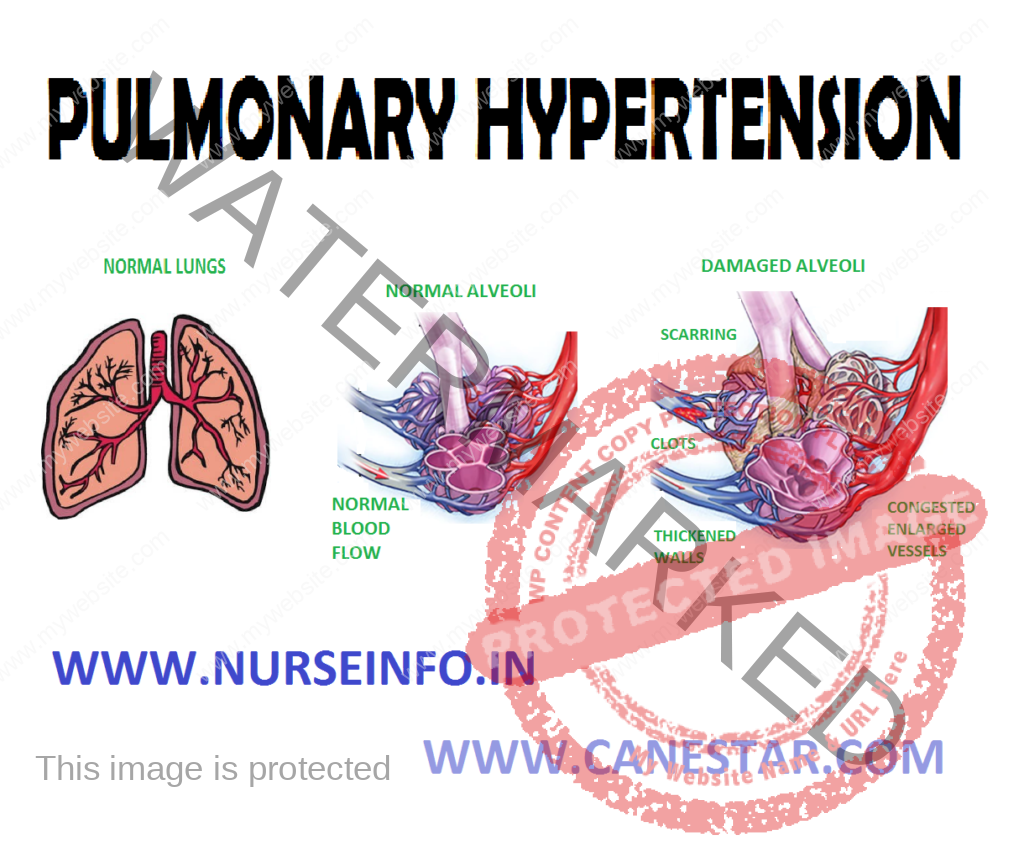
  • Pulmonary hypertension (PH) is high blood pressure in the arteries to lungs. It is a serious condition. The blood vessels that carry blood from heart to lungs become hard and narrow. Heart has to work harder to pump the blood through. Over time, heart weakens and cannot do its job and can develop failure.
  • Pulmonary hypertension (PH) is an increase of blood pressure in the pulmonary artery, pulmonary vein, or pulmonary capillaries, together known as the lung vasculature, leading to shortness of breath, dizziness, fainting, leg swelling and other symptoms.

TYPES OF PULMONARY HYPERTENSION

  1. Idiopathic Pulmonary Hypertension

When an underlying cause for high blood pressure in the lungs cannot be found, the condition is called idiopathic pulmonary hypertension (IPH). Some people with IPH may have a gene that is a risk factor for developing pulmonary hypertension. But in most people with idiopathic pulmonary hypertension, there is no recognized cause of their pulmonary hypertension.

  • Secondary Pulmonary Hypertension

Pulmonary hypertension that is caused by another medical problem is called secondary pulmonary hypertension. This type of pulmonary hypertension is more common than idiopathic pulmonary hypertension. Causes of secondary pulmonary hypertension include:

  • Blood clots in the lungs (pulmonary emboli)
  • Chronic obstructive pulmonary diseases, such as emphysema
  • Connective tissue disorders, such as scleroderma or lupus
  • Sleep apnea and other sleep disorders
  • Congenital heart disease
  • Sickle cell anemia
  • Chronic liver disease (cirrhosis)
  • AIDS
  • Lung diseases, such as pulmonary fibrosis

Other Types of Pulmonary Hypertension

The World Health Organization divides pulmonary hypertension (PH) into five groups. These groups are organized based on the cause of the condition and treatment options. In all groups, the average pressure in the pulmonary arteries is 25 mm Hg or higher. The pressure in normal pulmonary arteries is 8-20 mm Hg at rest.

Group 1 Pulmonary Arterial Hypertension

  • PAH that has no known cause
  • PAH that is inherited (passed from parents to children through genes)
  • PAH that is caused by drugs or toxins, such as street drugs and certain diet medicines
  • PAH that is caused by conditions such as:

Connective tissue diseases (connective tissue helps support all parts of your body, including your skin, eyes, and heart).

HIV infection

Liver disease

Congenital heart disease. This is heart disease that is present at birth

Sickle-cell disease

  • PAH that is caused by conditions that affect the veins and small blood vessels of the lungs

Group 2 Pulmonary Hypertension

Group 2 includes PH with left heart disease. Conditions that affect the left side of the heart, such as mitral valve disease or long-term high blood pressure, can cause left heart disease and PH. Left heart disease is likely the most common cause of PH.

Group 2 Pulmonary Hypertension

Group 3 includes PH associated with lung diseases, such as COPD (chronic obstructive pulmonary disease) and interstitial lung diseases. Interstitial lung diseases cause scarring of the lung tissue. It is also associated with sleep-related breathing disorders, such as sleep apnea.

Group 4 Pulmonary Hypertension

Group 4 includes PH caused by blood clots in the lungs or blood-clotting disorders.

Group 5 Pulmonary Hypertension

Group 5 includes PH caused by various other diseases or conditions. Examples include:

  • Blood disorders, such as polycythemia vera and essential thrombocythemia
  • Systemic disorders, such as sarcoidosis and vasculitis
  • Metabolic disorders, such as thyroid disease and glycogen storage disease
  • Other conditions, such as tumors that press on the pulmonary arteries and kidney disease

ETIOLOGY

  • Drugs: for example, dexfenfluramine and phentermine have been taken off the market. It increases risk of developing pulmonary hypertension
  • Liver diseases, rheumatic disorders, lung conditions: pulmonary hypertension can also occur as a result of other medical conditions, such as chronic liver disease and liver cirrhosis, rheumatic disorders, such as scleroderma or systemic lupus erythematosus (lupus) and lung conditions including tumors, emphysema, chronic obstructive pulmonary disease (COPD), and pulmonary fibrosis
  • Certain heart diseases: heart diseases including aortic valve disease, left heart failure, mitral valve disease, and congenital heart disease can also cause pulmonary hypertension
  • Thromboembolic disease: a blood clot in a large pulmonary artery can result in the development of pulmonary hypertension
  • Low-oxygen conditions: high-altitude living, obesity, and sleep apnea can also lead to the development of pulmonary hypertension
  • Genetic predisposition: pulmonary hypertension is inherited in a small number of cases. Knowing that someone in the family has or has pulmonary hypertension should prompt you to seek early evaluation should symptoms occur.
  • Pulmonary hypertension may also be caused by other conditions, and in some cases, the cause is unknown

PATHOPHYSIOLOGY

Due to different and unknown reasons —- injury to the layer of cells that line the small blood vessels of the lungs —- may cause changes in the way these cells interact with the smooth muscle cells in the vessel wall. As a result, the smooth muscle contracts more than normal —- pulmonary arteries that carry blood from the heart to the lungs become narrowed —- making it difficult for blood to flow through the vessels —- as a result, high blood pressure in pulmonary arteries —- this abnormally high pressure strains the right ventricle of the heart —- causing it to expand in size —- overworked and enlarged —- right ventricle gradually becomes weaker and loses its ability to pump enough blood to the lungs —- leads to the development of right heart failure

CLINICAL MANIFESTATIONS

  • Fatigue
  • Dizziness
  • Fainting spells
  • Swelling in the ankles, abdomen or legs
  • Bluish lips and skin
  • Chest pain
  • Irregular heartbeat (palpitations or strong, throbbing sensation)
  • Tachycardia
  • Progressive shortness of breath

DIAGNOSTIC TESTS

  • Physical examination

Listen for abnormal heart sounds, such as a loud pulmonic valve sound, a systolic murmur of tricuspid regurgitation, or a gallop due to ventricular failure

Examine the jugular vein in the neck for engorgement

Examine the abdomen, legs, and ankles for fluid retention

Examine nail beds for bluish tint

Look for signs of other underlying diseases that might be causing pulmonary hypertension

  • Blood tests

Complete metabolic panel (CMP): examines liver and kidney function

Autoantibody blood tests, such as ANA, ESR, and others: screens for collagen vascular diseases

Thyroid stimulating hormone (TSH): a screening for thyroid problems

HIV: a screening for human immunodeficiency virus

Arterial blood gases (ABG): determines the level of oxygen in arterial blood

Complete blood count (CBC): tests for infection, elevated hemoglobin, and anemia

B-type natriuretic peptide (BNP): a marker for heart failure

  • Doppler echocardiogram: uses sound waves to show the function of the right ventricle to measure blood flow through the heart valves, and then calculate the systolic pulmonary artery pressure
  • Chest X-ray: shows an enlarged right ventricle and enlarged pulmonary arteries
  • 6-minute walk test: determines exercise tolerance level and blood oxygen saturation level during exercise
  • Pulmonary function tests: evaluates for other lung conditions, such as chronic obstructive pulmonary disease and idiopathic pulmonary fibrosis among others
  • Polysomnogram or overnight oximetry: screens for sleep apnea (results in low oxygen levels at night)
  • Right heart catheterization: measures various heart pressures (i.e. inside the pulmonary arteries, coming from the left side of the heart), the rate at which the heart is able to pump blood, and finds any leaks between the right and left sides of the heart
  • Ventilation perfusion scan (V/Q scan): looks for evidence of blood clots along the pathway to the lungs
  • Pulmonary angiogram: looks for blood clot blockages in the pulmonary arteries
  • Chest CT scan: looks for blood clots and other lung conditions

MANAGEMENT

Nonpharmacological Management

  • Appropriate diagnosis and analysis of the problem is necessary before starting any treatment. Treatment varies per individual based on the different underlying causes but generally includes taking medications; making lifestyle and dietary changes
  • Oxygen therapy: replaces the low oxygen in blood
  • Nutrition: fuel the body with a nutritious diet that is low in fat, cholesterol and sodium and rich in high-fiber, whole grain, foods, including fruits and vegetables and lean protein
  • Physical activities: regular activity may help improve the ability to be active
  • Smoke-free living: quit smoking. Avoid second hand smoking. Smoking and breathing second-hand smoke make PPH symptoms worse

Pharmacological Management

  • Anticoagulants or ‘blood thinners’ such as warfarin sodium. It decreases blood clot formation, so blood flows more freely through blood vessels
  • Diuretics: furosemide, spironalactone, removes extra fluid from the tissues and bloodstream, which reduces swelling and makes breathing easier
  • Potassium: replaces potassium that may be lost with increased urination when taking diuretics
  • Inotropic agents (such as Digoxin): improves the heart’s pumping ability
  • Vasodilators and calcium channel blockers (Nifedipine or diltiazem): lowers pulmonary blood pressure and may improve the pumping ability of the right side of the heart
  • Endothelin receptor antagonists (bosetan): these help block the action of endothelin, a substance that causes narrowing of lung blood vessels
  • Prostaglandins (epoprostenol): dilates pulmonary arteries and helps prevent blood clots from forming
  • Phosphodiesterase type 5 inhibitors (sildenafil): relax pulmonary smooth muscle cells, which further leads to dilation of the pulmonary arteries

Surgical Management

  • Atrial septostomy: it is a surgical procedure that creates a communication between the right and left atria. It relieves pressure on the right side of the heart, but at the cost of lower oxygen levels in blood (hypoxia)
  • Pulmonary thromboendarterectomy: if present, a large clot in the pulmonary artery may be surgically removed to improve blood flow and lung function
  • Lung transplantation: currently, this is the only cure for primary pulmonary hypertension. Transplantation is reserved for advanced pulmonary hypertension that is not responsive to medical therapy. The right side of the heart will generally return to normal after the lungs have been transplanted
  • Heart/lung transplantation: this type of double organ transplant is very rare but is necessary for all patients who have combined lung and left heart failure

COMPLICATIONS

  • Right-sided heart failure (Cor pulmonale): in cor pulmonale, heart’s right ventricle becomes enlarged and has to pump harder than usual to move blood through narrowed or blocked pulmonary arteries. At first, the heart tries to compensate by thickening its walls and expanding the chamber of the right ventricle to increase the amount of blood it can hold. But this thickening and enlarging works only temporarily, and eventually the right ventricle fails from the extra strain
  • Blood clots: a number of small clots or just a few large ones dislodge from these veins and travel to the lungs, leading to a form of pulmonary hypertension that is reversible with time and treatment
  • Arrhythmia: irregular heartbeats (arrhythmias) from the upper or lower chambers of the heart are complications of pulmonary hypertension. These can lead to palpitations, dizziness or fainting and can be fatal
  • Bleeding: pulmonary hypertension can lead to bleeding into the lungs and coughing up blood (hemoptysis). This is another potentially fatal complication

NURSING MANAGEMENT

Nursing Assessment

  • Note the changes suggesting increased work of breathing or pulmonary edema
  • Assess breathing sound
  • Assess sign of hypoxemia and hypercapnea
  • Analyze the ABG and compare the previous values
  • Determine hemodynamic status and compare it with previous value

Nursing Diagnosis

  • Impaired gas exchange related to inadequate respiratory centre activity or chest wall movement, airway obstruction, or fluid in lung
  • Ineffective airway clearance related to increased or tenacious secretion
  • Acute pain related to inflammatory process and dyspnea
  • Anxiety related to pain dyspnea and serious condition

Nursing Intervention

  • Improve gas exchange:

Administer oxygen to maintain PaO2 of 60 mm Hg, using devices that provide increased oxygen concentration

Monitor fluid balance by intake and output measurement, urine-specific gravity. Daily weight measurement

Provide measures to prevent atelectasis and promote chest extension and secretion clearance as per doctor’s prescription spirometer

Elevate head level to 30 degrees

Monitor adequacy of alveolar ventilation by frequent measurement of respiratory system

Administer antibiotic, cardiac medication, and diuretics as prescribed by doctor

  • Maintain airway clearance:

Administer medication to increase alveolar function

Perform chest physiotherapy to remove mucus

Administer IV fluids

Suction patient as needed to assist with removal of secretions

  • Relieving pain:

Watch patient for sign of discomfort and pain

Position the head elevated

Give prescribed morphine and monitor for pain relieving sign

  • Reducing anxiety

Correct dyspnea and relieve physical discomfort

Speak calmly and slowly

Explain diagnostic procedure

PULMONARY HYPERTENSION – Introduction, Types, Etiology, Pathophysiology, Clinical Manifestations, Diagnostic Evaluations and Management

POLYCYTHEMIA VERA

POLYCYTHEMIA VERA – Etiology, Risk Factors, Pathophysiology, Clinical Manifestations, Diagnostic Evaluation and Management

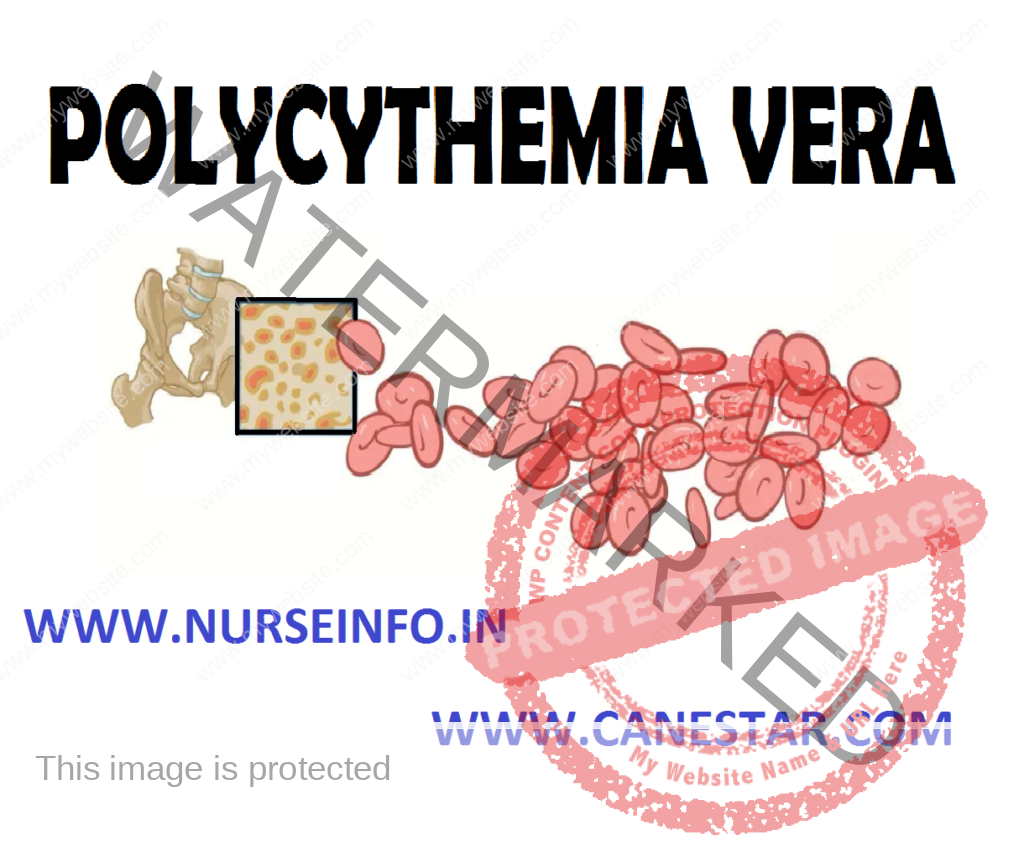
Polycythemia vera is a chronic myoproliferated disorder that involves all bone marrow elements, resulting in an increase in RBC mass or presence of increased in number of RBC and hemoglobin. Polycythemia is an abnormal increased in concentration of hemoglobin in the blood, either through reduction of plasma volume or increase in red cell numbers.

ETIOLOGY

  • Polycythemia vera is a bone marrow disease that leads to an abnormal increase in the number of blood cells (mainly RBCs), although the number of white blood cells and platelets are also increased.
  • It is associated with gene mutations. The cause of this mutation is unknown
  • Polycythemia is also associates with problems of the bone marrow
  • Other causes may includes smoking, minning, or environmental factors

RISK FACTORS

Some of the chronic risk factors:

  • Chronic hypoxia
  • Reduction of plasma volume
  • Splenomegaly
  • Long-term cigarette smoking
  • Familial and genetic predisposition
  • Living in high altitudes
  • Long-term exposure to carbon monoxide (tunnel worker, Car garbage attendants, residents of highly polluted cities)

PATHOPHYSIOLOGY

Polycythemia is due to excessive production of a single line of clonal stem cells present in the bone marrow. These cells interfere with or stimulate normal stem cells growth and maturation. Unregulated neoplastic proliferation is thought to be the etiology. The origin of the abnormal clonal cells is currently unknown however these cells have increased sensitivity to growth factors for maturations, indicating the presence of detect in the single pathway common to different growth factors. Clonal and cytogenic studies are currently under way in an attempt to determine the molecular basis of PV.

Chromosomal mutation in single pluripotent stem cells —- RBCs, WBCs and platelets lead to increased sensitivity to growth —- overproductions of all three blood cells lines most predominantly RBCs, increased cell mass —- increased blood volume and blood viscosity —- leads to engorgement of blood vessels and possible thrombosis —- further leads to the congestion of organs —- the patients may have coagulopathies predispose to clotting, splenomegaly and hepatomegaly

TYPES OF POLYCYTHEMIA

Polycythemia can be divided into two categories-primary and secondary. Polycythemia can result from internal problems with the production of red cells. This is termed primary polycythemia. If polycythemia is caused due to another underlying medical problem it is referred to as secondary polycythemia

Primary Polycythemia

Polycythemia Vera is known as primary polycythemia. Its cause is unknown. Polycythemia Vera is a disorder of the proliferative bone marrow in which the myeloid cells stem cells seems to have escaped normal control mechanism. It is caused by much production of white blood cells, red blood cells and platelets. The bone marrow is hyper cellular and the WBCs, RBCs and platelet count in the peripheral blood are elevated the skin takes a ruddy appearance from the buildup cells. PV is found in patients over age 50 years

Secondary Polycythemia

Secondary polycythemia is caused by excessive production of erythropoietin disease. Secondary polycythemia generally occurs as a response to other factors or underlying conditions that promote red blood cells production. Secondary polycythemia is usually due to increased erythropoietin production either in response to chronic hypoxia this may be caused in response to a reduced amount of oxygen, which acts as hypoxic stimulus, as in cigarette smoking, COPD or cyanotic heart failure, obstructive sleep apnea, poor blood flow to the kidney, living in high altitudes and smoking. Secondary polycythemia is a compensatory mechanism rather than an actual disorder

Relative Polycythemia

Relative polycythemia describes condition in which red cell volume is high due to increased blood concentration of red cells as a result dehydration. In these situation (vomiting, diarrhea, excessive sweating) the number of red blood cells counts may seem elevated

Stress Polycythemia

This is a condition that may be seen in hardworking, anxious, middle-aged men due to blow plasma volume, although the red blood cells volume may be normal. Other names for this condition are pseudopolycythemia, stress erythrocytosis, or Gaisbock’s disease

Conditions which may result in a physiologically appropriate polycythemia include:

  • Altitude related: this physiologic polycythemia is a normal adaptation to living at high altitudes. Many athletes train at high altitude to take advantage of this effect – a legal form of blood doping. Some individuals believe athletes with primary polycythemia may have a competitive advantage due to greater stamina. However, this has yet to be proven due to the multifaceted complications associated with this condition
  • Hypoxic disease: associated – for example in cyanotic heart disease where blood oxygen levels are reduced significantly. May also occur as a result of hypoxic lung disease such as COPD and as a result of chronic obstructive sleep apnea
  • Latrogenic: secondary polycythemia can be induced directly by phlebotomy, to withdraw some blood, concentrate the erythrocytes, and return them into the body.
  • Genetic: heritable causes of secondary polycythemia also exist and are associated with abnormalities in hemoglobin oxygen release. This includes patients who have a special form of hemoglobin oxygen release. This includes patients who have a special form of hemoglobin known as Hb Chesapeake, which has a greater inherent affinity for oxygen than normal adult hemoglobin. This reduces oxygen delivery to the kidneys, causing increased erythropoiten production and a resultant polycythemia. Hemoglobin kempsey also produces a similar clinical picture. These conditions are relatively uncommon.

Conditions where the secondary polycythemia is not as a result of physiologic adaptation and occurs irrespective of body needs include:

  • Neoplasms: renal cell carcinoma or liver tumors, and endocrine abnormalities including pheochromocytoma and adrenal adenoma with Cushing’s syndrome
  • People whose testosterone levels are high because of the use of anabolic steroids, including athletes who abuse steroids, or people on testosterone replacement for hypogonadism, as well as people who take erythropoietin may develop secondary polycythemia

CLINICAL MANIFESTATION

Many people have no symptoms when they are first diagnosed with polycythemia vera. This disease is often discovered during a blood routine blood test and physical examination. If symptoms develop, they tend to do so over time.

  • Reddish, purple skin and mucosa, pruritus (especially after bathing)
  • Breathing difficulty when lying down
  • Excessive bledding (hemorrhage)
  • Splenomegaly, hepatomegaly
  • Epigastric discomfort, abdominal discomfort
  • Painful fingers and toes paresthesia
  • Headache, fullness in head, dizziness, visual abnormalities, alter mutation from disturbed cerebral circulation
  • Weakness, fatigue, night sweats, bleeding tendency
  • Hyperuricemia
  • Iching
  • High blood pressure

Some of these symptoms are due to increased blood thickness and clotting

  • The splenomegaly, hepatomegaly: The enlargements of the spleen are also common and occur in around 75% cases. Symptoms include feeling of fullness in the upper left-side of the abdomen. An enlarged spleen may also cause pressure on the stomach causing a feeling of fullness, indigestion and a loss of appetite. In some cases, the liver is also enlarged called as hepatomegaly
  • Painful inflammation of the toe or foot: this can results from build up for uric acid, a byproduct of the increased production and breakdown of blood cells. Some individuals may develop erytheromelagia, a rarely condition that primarily affects the feet and, less commonly the hands. It is characterized by intense, burning pain of affected extremities, and increased skin temperature that maybe episodic or almost continuous in nature.
  • Hemorrhage: this phenomenon caused by either vessel capture from over distension or inadequate platelet function may results in ecchymosis, epistaxis, or GI bleeding. Hemorrhage can be acute and catastrophic.

DIAGNOSTIC EVALUATION

The following laboratory manifestations are seen in a patient with polycythemia vera.

  • Elevated Hb and RBC count with microcytosis
  • Low to normal EPO level (secondary polycythemia will have a high level)
  • Elevated WBC count with basophila
  • Elevated platelets (thrombocytosis) and platelet dysfunction
  • Elevated leukocyte alkaline phosphatase
  • Elevated histamine levels
  • Bone marrow in examination in polycythemia vera shows hypercellularity of RBCs, WBCs and platelets
  • Splenomegaly is found in 90% of patient with primary polycythemia but does not accompany secondary polycythemia.

Routine blood work including:

  • Clotting profile, and metabolic panel
  • Chest X-ray, electrocardiogram (ECG), echocardiogram, hemoglobin analysis, carbon monoxide measurement
  • Evidence of long standing low body oxygen level (chronic hypoxia) in an important clue in patient with polycythemia
  • Bone marrow examination (bone marrow aspiration or biopsy)
  • Full blood count (CBC): people with polycythemia vera have a high red cell count, hemoglobin level and hematocrit due to the excessive production of red cells. The hematocrit is the percentage of the whole blood that is made up of red cells. A raised white cell count (especially a raised neutrophil count) and a raised platelet count are also common findings
  • JAK2 mutation testing: JAK2 mutations (particularly the V617F mutation) can be found in more than 95% of people with polycythemia vera. This test can be performed on a blood sample and will help to confirm the diagnosis of a myeloproliferative neoplasm. It does not help distinguish polycythemia vera from essential thrombocythemia or primary myelofibrosis.
  • Bone marrow examination: in polycythemia vera, the bone marrow is often very active with abnormally high numbers of normal cells. Iron stores maybe depleted since iron is being used to make more and more red cells

Other possible blood tests

  • Serum vitamin B12 levels
  • Uric acid levels
  • Erythropoietin levels
  • Coagulation studies
  • Blood oxygen levels
  • Chest X-ray – to rule out lung disease
  • Abdominal ultrasound and/or CT scan – to rule out kidney disease and measure spleen or liver size

MANAGEMENT

Medical Management

  • Phlebotomy: venesection (or phlebotomy) is a procedure in which a controlled amount of blood is removed from bloodstream. This procedure is commonly used when people are first diagnosed with polycythemia vera because it can help to rapidly reduce a high red cell count. In a process similar to a blood donation, 450 to 500 ml of blood is removed, usually from a large vein in the arm. This is usually done in the outpatient’s department of the hospital. It takes about 30 minutes to complete.
  • Marrow Hyperplasia (Myelosuppressive Drugs): myelosuppressive (bone marrow suppressing) drugs or chemotherapy are commonly used to reduce blood cell production in the bone marrow. These drugs are commonly used for people with and extremely high platelet count, complications due to blood clotting or bleeding, or symptoms of an enlarged spleen. They are also used for some people who are unable to tolerate venesection or whose disease.
  • The most commonly used myelosuppressive agent is a chemotherapy drug called hydroxyurea. It is particularly useful in controlling a high platelet count and therefore reducing the risk of thrombosis. As hydroxyurea is a chemotherapy drug, it is known to affect fertility and should be avoided during pregnancy, for it can cause harm or may be fatal to the fetus.
  • Interferon: interferon is a substance produced naturally by the body’s immune system. It plays an important role in fighting disease. In polycythemia vera, interferon is sometimes prescribed for younger patients to help control the production of blood cells. Interferon is usually given three times a week as an injection under the skin (subcutaneous injection) using a very small needle. A weekly injection is also being given.
  • Aspirin: many people are prescribed small daily doses of aspirin, which have been shown to significantly reduce the risk of thrombosis in people with polycythemia vera.
  • Radioactive phosphorus: radioactive phosphorus (32P) is a radioisotope which may be used for long-lasting control of blood counts in older people. One or two doses of 32P are usually given by injection into a vein in the hand or arm, in the nuclear medicine department of the hospital. This substance is taken up and concentrated in bone marrow where it suppresses the overactive bone marrow and helps to control blood counts.

Assessment

The patient who suffers from the polycythemia vera the family history and medical history and social history should be taken.

  • A comprehensive medical history, physical examination, family history, and social and occupational history is very important.
  • History include questions about smoking history, living at high altitudes for extended periods, breathing difficulties, sleep disturbances, or chronic cough
  • A complete examination including the assessment of body habitus (stature), vital signs, oxygen saturation, heart and lungs exam, and evaluating for an enlarged spleen are essential in the evaluation of people with polycythemia

NURSING MANAGEMENT

  • Assess for the ruddy cyanosis, reddened face with engorged retinal vein, tinnitus,  weakness, fatigue and dizziness
  • Assess for the signs of parasthesia, numbness, tingling, burning or weakness in hands, feet’s or legs
  • Assess for the hypertension, nose bleeding
  • Assess for any enlargement of liver and spleen
  • The primary polycythemia is not preventable. However, because secondary polycythemia is generated by the source of hypoxia, maintaining adequate oxygenation may prevent problems. Therefore, controlling chronic pulmonary disease, stopping smoking and avoiding altitudes maybe important
  • The nurse have a responsibilities to assist with or perform phlebotomy if acute exacerbation of polycythemia
  • Fluid intake and fluid output should be evaluated during hydration therapy to avoid fluid overload and under hydration
  • If the myelosuppressive agents are used the nurses must administer the drugs as ordered, observe the patient, and teach the patient about medication side effects
  • Assessment of the patient’s nutritional status in collaboration with the dietician may be necessary to of set the inadequate food intake that can useful from GI symptoms of fullness, pain and dyspepsia
  • Activities should be instituted to decreased thrombus formation. The relative immobility normally imposed by hospitalization puts the patient at risk for thrombus formation. Active and passive exercises and ambulation when possible should be initiated.
POLYCYTHEMIA VERA – Etiology, Risk Factors, Pathophysiology, Clinical Manifestations, Diagnostic Evaluation and Management

COR PULMONALE

COR PULMONALE – Etiology, Clinical Manifestations, Diagnostic Evaluations and Management

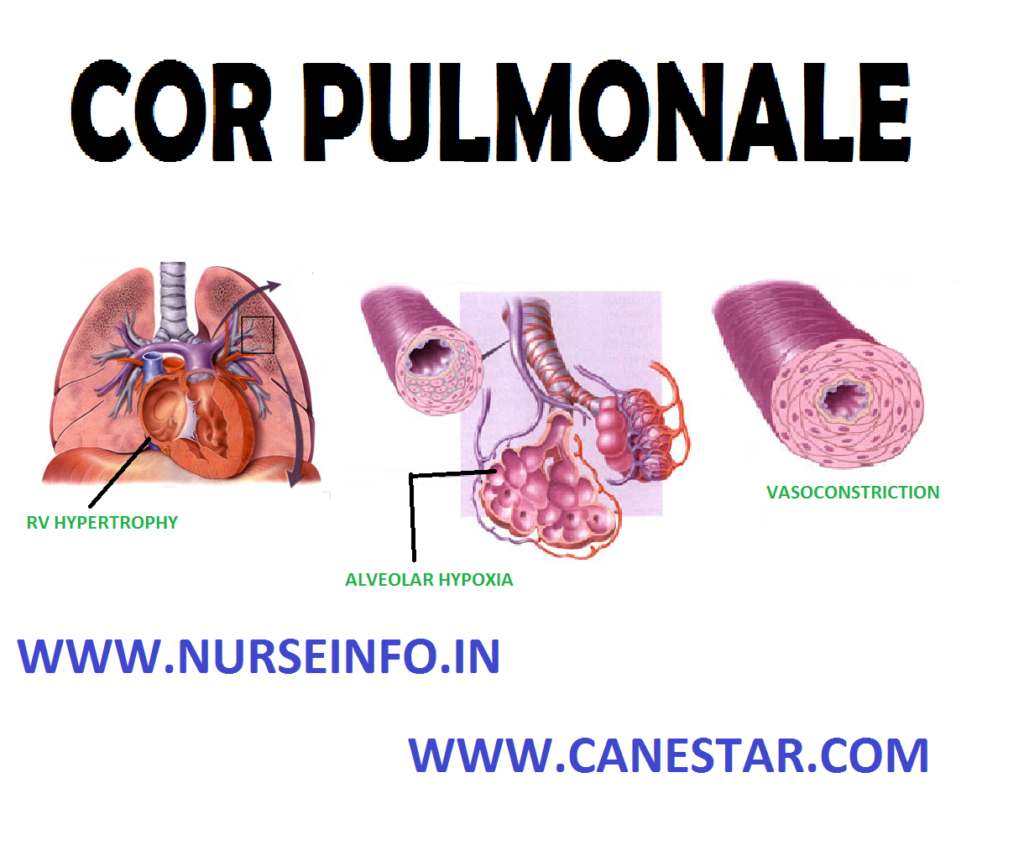
  • Cor pulmonale is a condition that most commonly arises out of complications from pulmonary hypertension
  • Cor pulmonale refers to the altered structure (hypertrophy or dilatation) and impaired function of the right ventricle that results from pulmonary hypertension that is associated with diseases of the lungs (chronic obstructive pulmonary disease), vasculature (idiopathic pulmonary arterial hypertension), upper airway (obstructive sleep apnea), or chest wall (kyphoscoliosis).

ETIOLOGY

  • Blood clots in the lungs
  • COPD (chronic obstructive pulmonary disease)
  • Lung tissue damages
  • Sleep apnea
  • Cystic fibrosis
  • CHF

CLINICAL MANIFESTATIONS

Common symptoms that may suggest the presence of cor pulmonale in a patient with pulmonary or cardiopulmonary disease include:

  • Worsening tachypnea (particularly at rest)
  • Fatigue and lassitude
  • Ankle swelling
  • Worsening exertional dyspnea
  • Worsening cough
  • Angina-type chest discomfort
  • Hemoptysis
  • Hoarseness
  • Late-stage hepatic congestion can cause symptoms (anorexia, jaundice and right upper quadrant abdominal discomfort)
  • Cyanosis and plethora
  • Chest markedly hyperexpanded
  • Labored respiratory effort
  • Intercostals recession
  • Decreased air entry, crackles and wheeze in the chest
  • Systolic bruits over lung fields
  • Left parasternal or subxiphoid heave (a sign of right ventricular hypertrophy)
  • Distended neck veins with raised and prominent JVP
  • 3rd/4th heart sounds and pansystolic murmur of tricuspid regurgitation over right heart
  • Split second heart sound with loud pulmonary component
  • Systolic ejection murmur with a sharp ejection click over the pulmonary artery
  • Diastolic pulmonary regurgitation murmur over the pulmonary artery
  • Marked hepatojugular reflux due to hepatic congestion
  • Hepatomegaly
  • Jaundice in advanced cases
  • Ascites in advanced cases

DIAGNOSTIC EVALUATION

The following investigations are often used to delineate the cause of respiratory compromise that may lead to cor pulmonale and to inform optimal management:

  • Alpha-1 antitrypsin levels, if considered relevant
  • Autoantibody screen if there is suspected collagen vascular disease
  • Thrombophilia screen if there is suspected chronic venous thromboembolism
  • Spirometry or lung function tests including gas transfer and flow volume loop
  • CT and MRI scan of the chest
  • Bronchoscopy
  • Lung biopsy (open or transbronchial)
  • Ventilation/perfusion scan/spiral-CT angiography/MRI-angiography

MANAGEMENT

  • Long-term oxygen therapy or nocturnal oxygen therapy (NOT): it has been shown to improve quality of life and survival in patients with severe chronic hypoxia due to lung disease, by reducing pulmonary arteriolar constriction and improving and slowing the progression of cor pulmonale. They are usually recommended where PaCO2 is < 55 mm Hg or SaO2 is < 88%
  • Diuretics: such as furosemide and bumetanide are frequently utilized, particularly where the right ventricular filling volume is markedly elevated, and in the management of associated peripheral oedema. Care must be taken to avoid overdiuresis which can impair the functioning of both the ventricles. It may also induce a hypokalemic metabolic alkalosis which can lessen respiratory drive through reducing the hypercapnea stimulus in breathe. Intravenous diuretics may be needed in patients with acute decompression and severe peripheral edema, due to poor absorption of oral medication
  • Vasodilators: such as nifedipine and diltiazen can also be used to prevent chest pain
  • Inotropic drugs, particularly digoxin, are frequently used to increase the cardiac output.
  •  Methylxanthine bronchodilators: such as theophylline are frequently used for their beneficial effect on bronchial tone
  • Anticoagulation: it is used where patients have venous thromboembolism as the underlying cause of their cor pulmonale
  • Venesection: it is used with caution is some patients who have severe secondary polycythemia due to chronic hypoxia
  • Transplantation of lung and heart

COMPLICATIONS

  • Exertional syncope
  • Hypoxia and significantly limited exercise tolerance
  • Peripheral edema
  • Peripheral venous insufficiency
  • Tricuspid regurgitation
  • Hepatic congestion and cardiac cirrhosis
  • Death

NURSING MANAGEMENT

Nursing Assessment

The nurse should assess the client for the clinical manifestations of CHF, especially in high-risk clients

  • Impaired gas exchange related to fluid in the alveoli:

Auscultation of breath sounds every 4 hours

Encourage to turn cough and deep breath

Maintain Fowler’s position

Administer oxygen

Monitor ABG

Intubation and mechanical ventilation

  • Decreased cardiac output related to heart failure and dysrhythmias

Vital signs every hour

Lung and heart sounds every 2 hours

Administer oxygen

Hourly urine output

Assess changes in mental status

Small meals

  • Fluid volume excess related to reduced cardiac output and Na and water retention:

IO chart

Fowler’s position

Frequent oral care

Daily weighing

Assess jugular vein distension, peripheral edema, and hepatic engorgement

Fluid restriction

2-4 g salt diet

  • Decreased peripheral tissue perfusion related to reduced cardiac output:

Monitor peripheral pulses

Color and temperature of skin

Keep extremities warm

Assess for thrombophlebitis

Active or passive ROM

  • High risk for impaired skin integrity related to reduced peripheral tissue perfusions

Change position every 2 hours

Pressure mattress

Heel protectors

  • High risk for digitalis toxicity related to impaired excretion:

  Assess for hypokalemia, heart block

 Serum digitalis levels and potassium

COR PULMONALE – Etiology, Clinical Manifestations, Diagnostic Evaluations and Management

PERICARDITIS

PERICARDITIS – Definition, Classification, Causes, Signs and Symptoms, Pathophysiology, Diagnostic Evaluations and Management

DEFINITION

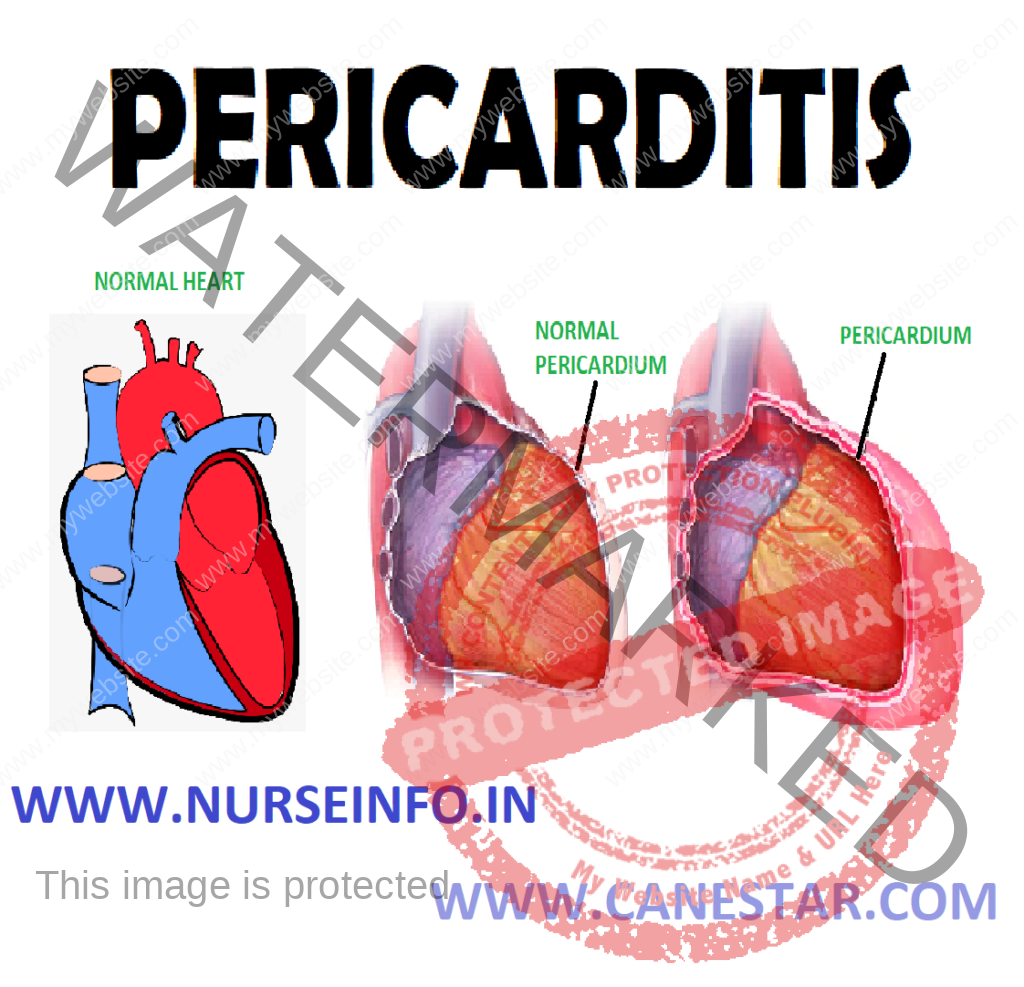
Pericarditis is an inflammation of the pericardium (the fibrous sac surrounding the heart)

  • Pericarditis is inflammation of the pericardium, which causes its two layers to rasp and rub against each other as the heart contracts and relaxes
  • Classification: it is of two types: (acute pericarditis, chronic pericarditis)

CLASSIFICATION ON THE BASIS OF ETIOLOGICAL FACTORS

  • Acute nonspecific (idiopathic)
  • Infective (bacterial, viral and other infections)
  • Immunologic: (rheumatic fever, other connective tissue disorders)
  • Neoplastic
  • Metabolic (uremic, myxedema, gout)
  • Traumatic (including after cardiac surgery)
  • Associated with myocardial infarction

Infective

  • Bacterial pericarditis: this condition is potentially fatal without prompt medical treatment. Most cases of bacterial pericarditis are triggered by infections somewhere else in the body. For example, a person with pneumonia (lung infection) may be vulnerable to bacterial pericarditis if the bacteria access the pericardium directly or via the bloodstream. Some of the dangerous complications include

Cardiac tamponade: fluid builds up between the two layers of the pericardium. The heart is compressed and cannot function properly

Abscess: a buildup of pus either within the heart or in the pericardium

Spread of infection: as with any infection, the infection can spread to other areas.

Constrictive pericarditis: the pericardium is scarred by the inflammation. Scar tissue does not stretch, so the heart cannot function properly

  • Viral pericarditis: viral infections that cause cold or pneumonia, such as the echovirus or coxsackie virus (which are common in children) as well as influenza

Chronic effusive pericarditis: long-term inflammation causes a gradual buildup of fluid within the two layers of the pericardium. In most cases, the reasons for this are unknown. Some of the known causes of chronic effusive pericarditis include tuberculosis and hypothyroidism (underactive thyroid gland)

Constrictive pericarditis: as the pericardium recovers from injury or inflammation, scar tissue may form. Scar tissue makes the pericardium stiff and hard, so that the heart is unable to fill properly with blood. Symptoms include unexplained weight loss, fatigue, and breathlessness, swelling of the abdomen and heart murmurs. Without treatment, constrictive pericarditis can lead to a range of complications including:

Irregular heartbeat (heart arrhythmia)

Heart failure

Liver damage

  • Neoplastic: cardiac myxoma, cardiac rhabdomyoma, papillary fibroelastoma, cardiac fibroma, cardiac lipoma, cardiac hemangioma, cardiac teratoma, mesothelioma of atrioventicular node, purkinje cell tumor
  • Traumatic: heart surgery or trauma to the chest, esophagus or heart
  • Pericarditis following heart surgery: pericarditis may be a complication of heart surgery. Operations on the heart involve opening the pericardium in order to apply coronary artery bypass grafts, open or replace heart valves, or undertake other corrective procedures
  • Post heart attack pericarditis: while pericarditis does not cause or contribute to heart attack, the injury to cardiac tissue caused by a heart attack can sometimes lead to pericarditis. This is known as postmyocardial infarction (post-MI) pericarditis. The symptoms may not appear for some weeks or months after the heart attack, and can include relatively mild chest pain, joints pain and fever. It is not possible to prevent post-MI pericarditis
  • Acute pericarditis: It is the inflammation of the pericardium characterized by chest pain, pericardial friction rub and serial of ECG changes (ST elevations)

Types include: pericarditis can be classified according to the composition of the inflammatory exudates

  • Serous: this form usually consists of 50 to 200 ml of slowly accumulating exudates. Characteristically produced by nonbacterial involvement, including rheumatic fever, systemic lupus erythermatosus, tumors, uremia and primary viral infection (e.g. coxsackie)
  • Purulent: this is due to bacteria, fungus or parasitic action. Infection reaches directly, through blood or through lymphatic route from the nearby areas of infection.
  • Fibrinous: in this exudates will be completely resolved or be organized, causing adhesive pericarditis
  • Caseous: this form is due to tuberculosis by direct extension from neighboring lymph nodes
  • Hemorrhagic: this is composed of an exudates of blood mixed with fibrinous to suppurative effusion. Most commonly after cardiac surgeries

CAUSES

  • Infectious: caused by viral, bacterial, fungal

Other:

  • Idiopathic: no identifiable etiology found after routine testing
  • Immunologic conditions including systemic lupus erythematosus (more common among women) or rheumatic fever
  • Myocardial infarction (Dressler’s syndrome)
  • Trauma to the heart, e.g. puncture, resulting in infection or inflammation
  • Uremia (uremic pericarditis)
  • Malignancy (as a paraneoplastic phenomenon)
  • Side effects of some medications, e.g. isoniazide, cyclosporine, warfarin, and heparin
  • Radiation-induced
  • Aortic dissection
  • Tetracycline
  • Postpericardiotomy syndrome: usually after CABG surgery

PATHOPHYSIOLOGY

Migration of bacteria to pericardium and pericardial sac —– causes inflammation —- leading to chest pain, dry cough, fever, chills, fatigue, palpitation, anxiety, etc

SIGNS AND SYMPTOMS

  • Chest pain
  • Dry cough
  • Fever
  • Chills
  • Fatigue
  • Malaise
  • Anxiety
  • Joints pain
  • Anorexia
  • Increased heart rate (depends upon the degree of fever and anxiety)
  • Weight loss

CHARACTERISTIC/PARAMETER: Pain description

PERICARDITIS: Sharp, pleuritic, retrosternal (under the sternum) or left precordial (left chest) pain

MYOCARDIAL INFARCTION: Crushing, pressure-like, heavy pain, described as ‘elephant on the chest’.

CHARACTERISTIC/PARAMETER: Radiation

PERICARDITIS: Pain radiates to the trapezius ridge (to the lowest portion of the scapula on the back) or no radiation

MYOCARDIAL INFARCTION: Pain radiates to the jaw, or the left arm, or does not radiate

CHARACTERISTIC/PARAMETER: Exertion

PERICARDITIS: Does not change the pain

MYOCARDIAL INFARCTION: Can increase the pain

CHARACTERISTIC/PARAMETER: Position

PERICARDITIS: Pain is worse in the supine position or upon inspiration (breathing in)

MYOCARDIAL INFARCTION: Not positional

CHARACTERISTIC/PARAMETER: Onset/duration

PERICARDITIS: Sudden pain that lasts for hours or sometimes days before a patient comes to the ER

MYOCARDIAL INFARCTION: Sudden or chronically worsening pain that can come and go in paroxysms or it can last for hours before the patient decides to come to the ER.

DIAGNOSTICS EVALUATIONS

  • ECG: It indicates tachycardia but with underlying heart disease or uremia, bradycardia can occur
  • Laboratory Investigation shows:
  • Elevated ESR
  • Elevated WBC cou t
  • Cardiac enzymes are usually normal but may be elevated
  • Physical Examination: It reveals the classical symptom,  that is friction rub.
  • Acute Complications: Pericarditis can progress to:
  • Percardial effusion
  • Cardia tamponade
  • Pulsus paradoxus (decrease of at least 10 mm HG of the systolic blood pressure upon inspiration), hypotension (due to decreased cardiac index), JVD (jugular vein distention) from right-sided heart failure and fluid overload.
  • Treatment: The treatment in viral or idiopathic pericarditis is with Aspirin, or non-steroidal anti-inflammatory drugs (NSAIDs, such as naproxen). Severe cases may require
  • Antibiotics to treat tuberculosis or other bacterial causes.
  • Steroids are used in acute pericarditis but are not favored because they increase the chance of recurrent pericarditis.
  • Colchicine is a very effective treatment option. If aspirin and NSAIDs are not sufficient, colchicines should be added to the regimen.

SURGICAL MANAGEMENT

Pericardiocentesis is done to treat pericardial effusion/tamponade. (Pericardiocentesis is a procedure in which puncture of pericardial sac is done and some of the pericardial fluid is removed to relieve cardiac tamponade, which restricts normal heart action. During the procedure, the patient is monitored by ECG and central venous pressure measurements are made. A defibrillator is turned on and other emergency resuscitative equipment should be kept ready.

PERICARDITIS – Definition, Classification, Causes, Signs and Symptoms, Pathophysiology, Diagnostic Evaluations and Management

MYOCARDITIS

MYOCARDITIS – Etiology, Pathophysiology, Signs and Symptoms, Diagnostic Evaluation and Management

Introduction

Any of the heart’s layers is affected by an infectious process. The infections are named for the layer of the heart most involved in the infectious process

DEFINTION OF MYOCARDITIS

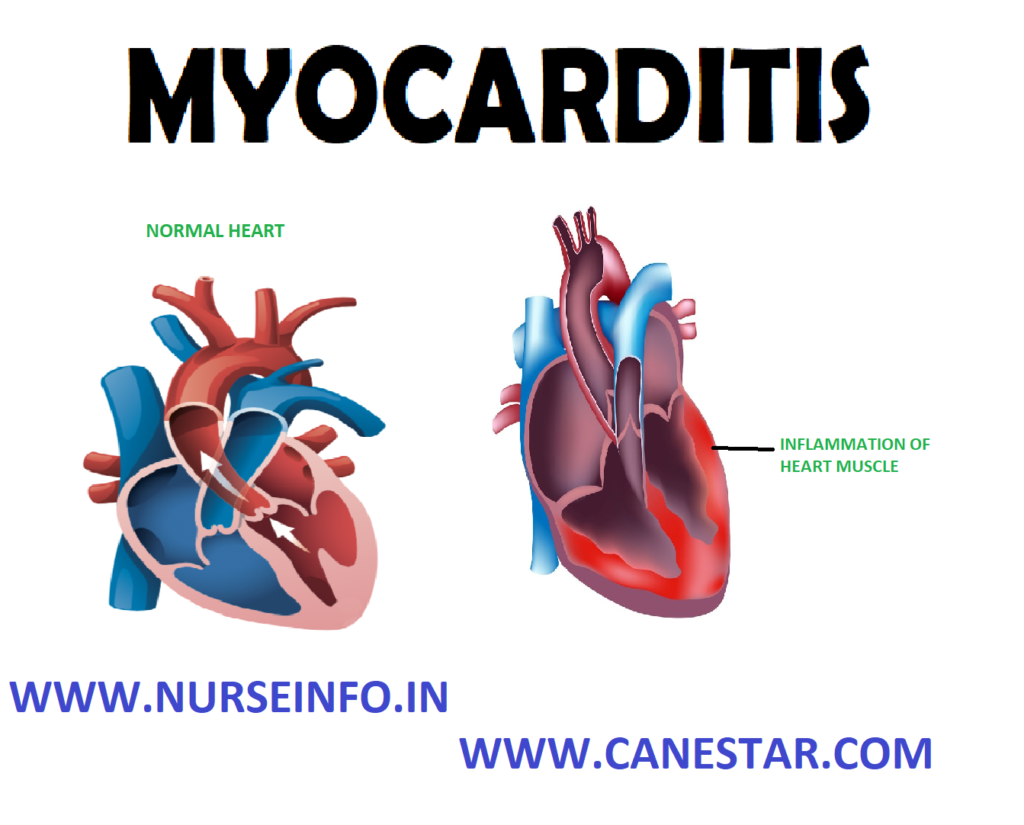
Myocarditis or inflammatory cardiomyopathy is the inflammation of heart muscles (myocardium)

Or

Myocarditis is the inflammation process involving the myocardium, can cause heart dilation, thrombi on the heart wall (mural thrombi), infiltration of circulating blood cells around the coronary vessels and between the muscle fibers, and degeneration of the muscle fibers themselves

ETIOLOGY

  • Infections (viral(HIV, rubella, polio, cytomegalo, human herpes and hepatitis C), Protozoan (Toxoplasma gondii), bacterial (brucella, corynebacterium diphtheria), Fungal (aspergillus), Parasitic (ascaris, echinococcus granulosus)
  • Toxins (drugs)
  • Immunological causes: (allergic (acetazolamide, amitriptyline), rejection after a heart transplant, autoantigens (scleroderma, systemic lupus erythematosus), toxins (arsenic, toxic shock syndrome toxin, carbon monoxide, or snake venom), heavy metals (copper or iron)
  • Physical agents: (electric shock, hyperpyrexia, radiation)

PATHOPHYSIOLOGY

Due to etiological agents – viruses, bacteria, protozoa etc —- inflammation around coronary vessels and between muscle fibers —- thrombus formation, heart dilatation, infiltration of blood cells —– degeneration of the muscle fibers

SIGNS AND SYMPTOMS

  • Chest pain (often described as ‘stabbing’ in character)
  • Palpitations
  • Fever and other signs of infection, including headache, muscle aches, sore throat, diarrhea or rashes
  • Fatigue
  • Dyspnea
  • Joints pain or swelling
  • Leg swelling
  • Dysrhythmias can also occur
  • Fainting (often related to irregular heart rhythms)
  • Low urine output

DIAGNOSTIC EVALUATIONS

Physical examination may reveal the following:

  • Abnormal heartbeat or heart sounds (murmurs, extra heart sounds)
  • Fever
  • Fluid in lungs
  • Rapid heartbeat (tachycardia)
  • Swelling in the legs
  1. Chest X-ray: it shows enlarged cardiac silhouette resulting from ventricular enlargement or pericardial effusion
  2. Blood test: it shows moderate leukocytes (elevated cardiac enzymes, antibodies are found against the heart muscle and the body itself)
  3. ECG (it help to identify heart chamber size and ventricular functioning) it shows a bundle block or complete AV heart block, ST segment elevation or T-wave flattening
  4. Biopsy: it shows features of myocardial interstitium with abundant edema and inflammatory infiltrates, rich in lymphocytes and macrophages. Focal destruction of myocytes explains the myocardial pump failure
  5. Cardiac magnetic resonance imaging (MRI or CMR): It helps in diagnosing myocarditis by visualizing markers for inflammation of the myocardium

TREATMENT

  • As most viral infections cannot be treated with directed therapy, symptomatic treatment is the only form of therapy for those forms of myocarditis
  • In the acute phase, supportive therapy, including bed rest, is indicated
  • For symptomatic patients, digoxin and diruretics provide clinical improvement
  • For patients with moderate to severe dysfunction, cardiac function can be supported by use of inotropes such as Milrinone in the acute phase, followed by oral therapy with ACE inhibitors (captopril, lisinopril) when tolerated
  • People who do not respond to conventional therapy are given bridge therapy with left ventricular assist devices. Heart transplantation is reserved
  • For patients who fail to improve with conventional therapy, heart transplantation is reserved. Others: anti-embolism stockings and passive and active exercises should be used because embolization from various thrombosis and mural thrombi can occur, especially in patients on bed rest

COMPLICATIONS

  • Cardiomyopathy
  • Pulmonary congestion
  • Pericarditis
  • Heart failure
  • Sudden death

PREVENTION

Prevention of infectious diseases by means of appropriate immunizations (e.g. influenza, hepatitis) and early treatment appear to be important in decreasing the incidence of myocarditis

MYOCARDITIS - Etiology, Pathophysiology, Signs and Symptoms, Diagnostic Evaluation and Management
MYOCARDITIS – Etiology, Pathophysiology, Signs and Symptoms, Diagnostic Evaluation and Management

MENIERE’S DISEASE

MENIERE’S DISEASE – Etiology, Signs and Symptoms, Diagnostic Evaluation and Management

Meniere’s disease is a disorder of the inner ear that causes spontaneous episodes of vertigo, a sensation of a spinning motion, along with fluctuating hearing loss, ringing in the ear (tinnitus), and sometimes a feeling of fullness or pressure in ear.

ETIOLOGY

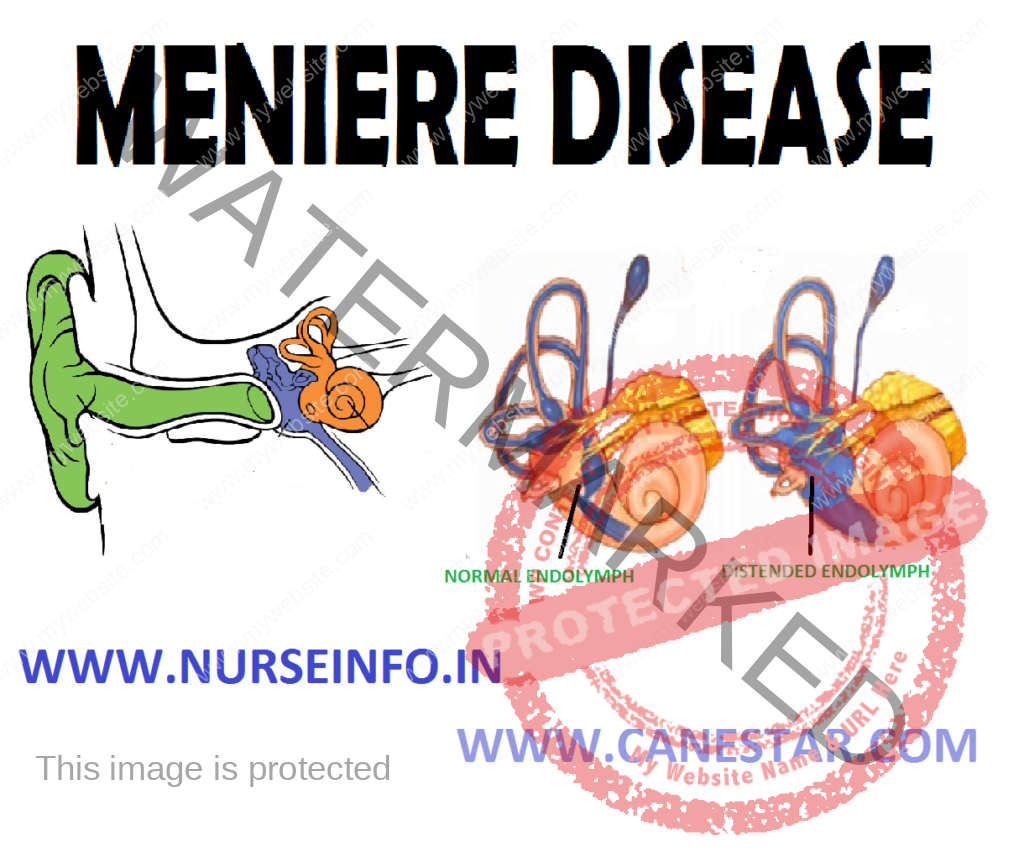
The cause of Meniere’s disease is not well understood. It appears to be the result of the abnormal volume or composition of fluid in the inner ear.

The inner ear is a cluster of connected passages and cavities called a labyrinth. The outside of the inner ear is made of bone (bony labyrinth). Inside is a soft structure of membrane (membranous labyrinth) that is slightly smaller, similarly shaped version of the bony labyrinth. The membranous labyrinth contains a fluid (endolymph) and is lined with hair-like sensors that respond to movement of the fluid.

Meniere’s disease may occur because of the following reasons.

  • Improper fluid drainage, perhaps because of a blockage or anatomic abnormality
  • Abnormal immune response
  • Allergies
  • Viral infection
  • Genetic predisposition
  • Head trauma
  • Migraines

SIGNS AND SYMPTOMS

The primary signs and symptoms of Meniere’s disease are:

  • Recurring episodes of vertigo: vertigo is similar to the sensation experience if you spin around quickly several times and suddenly stop. Patient feels as if the room is still spinning, and he loses his balance. Episodes of vertigo occur without warning and usually last 20 minutes to two hours or more, up to 24 hours. Severe vertigo can cause nausea and vomiting
  • Hearing loss: hearing loss in Meniere’s disease may fluctuate, particularly early in the course of the disease. Eventually, most people experience some degree of permanent hearing loss.
  • Ringing in the air (tinnitus): tinnitus is the perception of a ringing, buzzing, roaring, whistling or hissing sound in the ear
  • Feeling of fullness in the ear: people with Meniere’s disease often feel aural fullness or increased pressure in the ear

DIAGNOSTIC EVALUATION

A diagnosis of Meniere’s disease requires:

  • Two spontaneous episodes of vertigo, each lasting 20 minutes or longer
  • Hearing loss verified by a hearing test on at least one occasion
  • Tinnitus or aural fullness
  • Exclusion of other known causes of these sensory problems
  1. Physical examination and medical history

Physical examination may include:

  • The severity, duration and frequency of the sensory problems
  • History of infectious diseases or allergies
  • Medication use
  • Past ear problems
  • General health
  • History of inner ear problems in the family
  • Hearing assessment

A hearing test (audiometry) assesses how well you detect sounds at different pitches and volumes and how well you distinguish between similar-sounding words. The test not only reveals the quality of hearing but also may help determine if the source of hearing problems is in the inner ear or the nerve that connects the inner ear to the brain.

  • Balance assessment

Between episodes of vertigo, the sense of balance returns to normal for most people with Meniere’s disease. But there may be some degree of ongoing balance problems.

There are several tests that assess functioning of the inner ear. Some or all of these tests can yield abnormal results in a person with Meniere’s disease

  • Videonystagmography (VNG): this test evaluates balanced function by assessing eye movement. Balance-related sensors in the inner ear are linked to muscles that control movement of the eye in all directions. This connection is what enables us to move head around while keeping our eyes focused on a single point
  • In a VNG evaluation, warm and cool water or air are introduced into the ear canal. Measurements of involuntary eye movements in response to this stimulation are performed using a special pair of video goggles. Abnormalities of this test may indicate an inner ear problem.
  • Rotary-chair testing: like a VNG, this measures inner ear function based on eye movement. In this case, stimulus to inner ear is provided by movement of a special rotating chair precisely controlled by a computer
  • Vestibular evoked myogenic potentials (VEMP) testing: VEMP testing measures the function of sensors in the vestibule of the inner ear that help to detect acceleration movement. These sensors also have a slight sensitivity to sound. When these sensors react to sound, tiny measureable variations in neck or eye muscle contractions occur. These contractions serve as an indirect measure of inner ear function
  • Posturography: this computerized test reveals the concerned part of the balance system, vision, inner ear function, or sensations from the skin, muscles, tendons and joints. While wearing a safety harness, you stand barefooted on a platform and keep your balance under various conditions.
  • Magnetic resonance imaging (MRI): this technique uses a magnetic field and radio waves to create images of soft tissues in the body. It can be used to produce either a thin cross-sectional ‘slice’ or a 3-D image of brain
  • Computerized tomography (CT): this X-ray technique produces cross-sectional images of internal structures in the body.
  • Auditory brainstem response audiometry: this is a computerized test of the hearing nerves and hearing centers of the brain. It can help detect the presence of a tumor disrupting the function of auditory nerves.

MANAGEMENT

No cure exists for Meniere’s disease, but a number of strategies may help to manage some symptoms.

Medication for vertigo

  • Motion sickness medications, such as meclizine or diazepam, may reduce the spinning sensation of vertigo and help control nausea and vomiting
  • Anti-nausea medications, such as promethazine, may control nausea and vomiting during an episode of vertigo
  • Diuretic, such as the drug combination triamterene and hydrochlorothiazide. It reduces the amount of fluid the body retains and helps to regulate the fluid volume and pressure in inner ear.

Noninvasive therapies and procedures

Some people with Meniere’s disease may benefit from other noninvasive therapies and procedures, such as:

  • Rehabilitation: problems with balance between episodes of vertigo may be reduced by vestibular rehabilitation therapy. The goal of this therapy, which may include exercises and activities that perform during therapy sessions and at home, is to help your body and brain regain the ability to process balanced information correctly
  • Hearing aid: a hearing aid in the ear affected by Meniere’s may improve hearing
  • Meniett device: for vertigo that is hard to treat, this therapy involves the application of positive pressure to the middle ear to improve fluid exchange. A device called Meniett pulse generator applies pulses of pressure to the ear canal through a ventilation tube. The treatment is performed at home, usually three times a day for five minutes at a time. Meniett device shows improvement in symptoms of vertigo, tinnitus and aural pressure

Middle Ear Injections

Medications injected into the middle ear, and then absorbed into the inner ear, may improve vertigo symptoms. For example, Gentamicin, steroids, such as dexamethasone, also may help control vertigo attacks in some people

Surgical Management

If vertigo attacks associated with Meniere’s disease are severe and debilitating and other treatments do not help, surgery may be an option. Procedures may include:

  • Endolymphatic sac procedures: the endolymphatic sac plays a role in regulating inner ear fluid levels. These surgical procedures may alleviate vertigo by decreasing fluid production or increasing fluid absorption. In endolymphatic sac decompression, a small portion of bone is removed from over the endolymphatic sac. In some cases, this procedure is coupled with the placement of a shunt, a tube that drains excess fluid from inner ear
  • Vestibular nerve section: this procedure involves cutting the nerve that connects balance and movement sensors in inner ear to the brain (vestibular nerve). This procedure usually corrects problems with vertigo while attempting to preserve hearing in the affected ear.
  • Labyrinthectomy: with this procedure, the surgeon removes the balance portion of the inner ear, thereby removing both balance and hearing functions from the affected ear. This procedure is performed only if one already has near-total or total hearing loss

NURSING MANAGEMENT

Nursing Diagnosis

  • Risk for injury related to altered mobility because of gait disturbed and vertigo
  • Impaired adjustment related to disability requiring change in lifestyle  because of unpredictability of vertigo
  • Risk for fluid volume imbalance and deficit related to increased fluid output, altered intake and medications
  • Anxiety related to threat of, or charge in, health status and disabling effects of vertigo
  • Ineffective coping related to personal vulnerability and unmet expectations stemming from vertigo
  • Self-care deficits related to labyrinth dysfunction and episodes of vertigo

Nursing Interventions

  • Provide nursing care during acute attack
  • Provide a safe, quiet, dimly lit environment and enforce bed rest
  • Provide emotional support and reassurance to alleviate anxiety
  • Administer prescribed medications, which may include antihistamines, antiemetic, and possibly, mild diuretics. Instruct the client on self-care instructions to control the number of acute attacks.
  • Discuss the nature of the disorder
  • Discuss the need for a low-salt diet
  • Explain the importance of avoiding stimulants and vasoconstrictions (e.g. caffeine, decongestants, alcohol)
  • Discuss medications that may be prescribed to prevent attacks or self-administration of appropriate medications during an attack, which may include anticholinergics, vasodilation, antihistamines, and possibly, diuretics or nicotinic acid
  • A labyrinthectomy is the most radical procedure and involves resection of the vestibular nerve or total removal of the labyrinth performed by the transcanal route, which results in deafness in that ear
  • An endolymphatic decompression consists of draining the endolymphatic sac and inserting a shunt to enhance the fluid drainage
MENIERE’S DISEASE – Etiology, Signs and Symptoms, Diagnostic Evaluation and Management

LARYNX CANCER

LARYNX CANCER – Types, Etiology and Risk Factors, Signs and Symptoms, Diagnostic Evaluation and Management

Throat cancer refers to cancerous tumors that develop in throat (pharynx), voice box (larynx) or tonsils

TYPES OF LARYNX CANCER

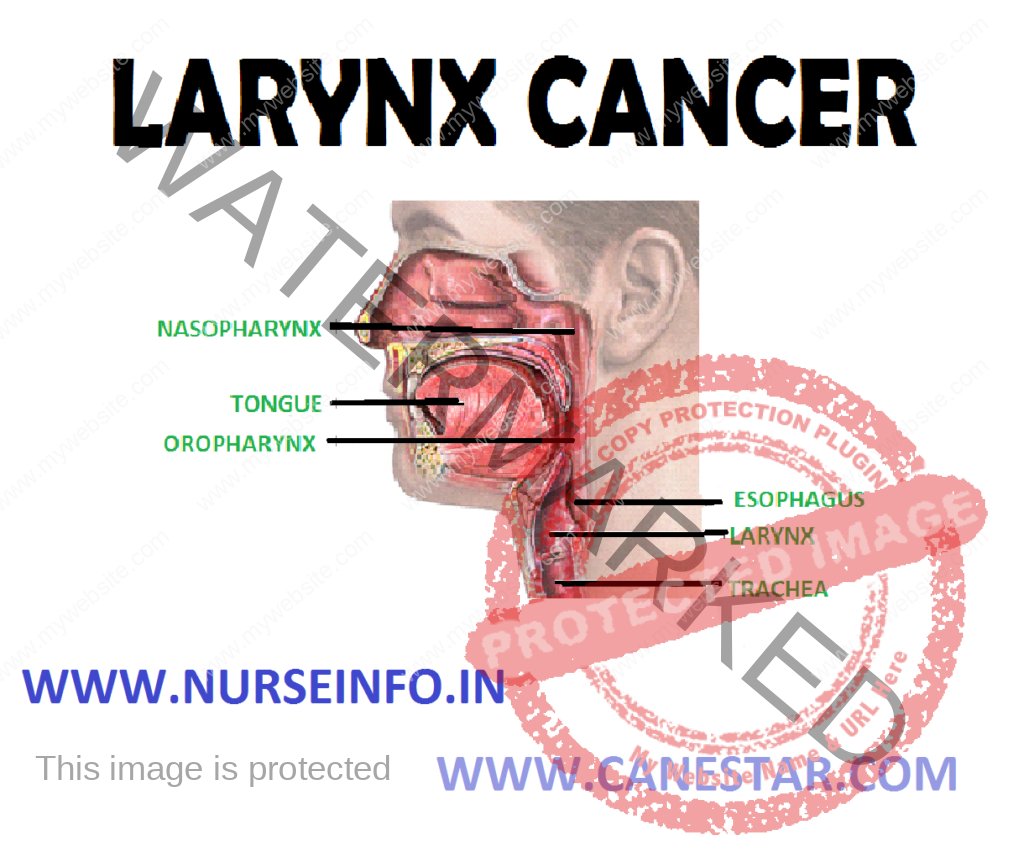
Throat cancer is a general term that applies to cancer that develops in the throat (pharyngeal cancer) or in the voice box (laryngeal cancer). The throat and the voice box are closely connected, with the voice box located just below the throat.

Though most throat cancers involve the same types of cells, specific terms are used to differentiate the part of the throat where cancer originated

  • Nasopharyngeal cancer begins in the nasopharynx
  • Oropharyngeal cancer begins in the oropharynx
  • Hypopharyngeal cancer (laryngopharyngeal cancer) begins in the hypopharynx
  • Glottic cancer begins in the vocal cords
  • Supraglottic cancer begins in the upper portion of the larynx and includes cancer that affects the epiglottis
  • Subglottic cancer begins in the lower portion of voice box and below vocal cords
  • Cancers that start in gland cells (adenocarcinoma): adenocarcinoma is uncommon compared to squamous cell laryngeal cancer. It starts in the adenomatous cells that are scattered around the surface of the larynx. Adenomatous cells are gland cells that produce mucus
  • Connective tissue cancers (sarcoma): sarcomas are cancers that start in the body’s connective tissues. These are the supporting tissues of the body, such as bone, muscle, and nerves. Cartilage is the supporting tissue of the larynx. Cancers that develop from cartilage are called chondrosarcomas

TNM STAGES OF CANCER OF THE LARYNX

TNM stands for Tumor, Node and Metastasis. The system describes:

  • The size of a primary tumor (T)
  • Whether the lymph nodes have cancer cells in them (N)
  • Whether the cancer has spread to a different part of the body (M)

The exact T staging of laryngeal cancer varies depending on which part of the larynx is involved. The cancer may start on the vocal cords (glottis), above the vocal cords (supraglottis), or below the vocal cords (subglottis)

Early-Stage Laryngeal Cancer (T0-T2)

  1. T Stage 0, Tis

In early cancer of the larynx, this means there are abnormal cells that may be precancerous. Tis (tumor in situ) means an early tumor that has not broken through the basement membrane of the tissue it is growing in

  • T stage 1

T stage 1 means the tumor is in only one part of the larynx and the vocal cords are able to move normally

  • T stage 2

T stage 2 means the tumor which may have started on the vocal cords (glottis), above the vocal cords (supraglottis), or below the vocal cords (subglottis) has grown into another part of the larynx. In cancer of the vocal cords (glottic cancer), stage T2a means that the vocal cords move normally

Locally Advanced Laryngeal Cancer (T2b-T4)

  1. Glottic cancer T stage 2b

In T stage 2b in cancer that starts in the vocal cords (glottis), the vocal cord movement is limited

  • T stage 3

T stage 3 means the tumor is throughout the larynx but has not spread further than the covering of the larynx

  • T stage 4

T stage 4 means the tumor has grown into body tissues outside the larynx. It may have spread to the thyroid gland, windpipe (trachea) or food pipe (oesophagus)

N-Stages of Laryngeal Cancer

There are 4 main lymph node stages in cancer of the larynx. N2 is divided into N2a, N2b and N2c. the important points here are whether there is cancer in any of the nodes and, if so, the size of the node and which side of the neck it is on.

  • N0 means there are no lymph nodes containing cancer cells
  • N1 means there are cancer cells in one lymph node on the same side of the neck as the cancer, but the node is less than 3 cm across
  • N2a means there is cancer in one lymph node on the same side of the neck and it is between 3 cm and 6 cm across
  • N2b means there is cancer in more than one lymph node, but none are more than 6 cm across. All the nodes must be on the same side of the neck as the cancer
  • N2c means there is cancer in lymph nodes on the other side of the neck from the tumor, or in nodes on both sides of the neck, but none is more than 6 cm across
  • N3 means that at least one lymph node containing cancer is larger than 6 cm across

M-stages of Laryngeal Cancer

There are two stages to describe whether cancer of the larynx has spread:

  • M0 means there is no cancer spread
  • M1 means the cancer has spread to other parts of the body, such as the lungs

Grade of Cancer

The grade of a cancer tells how much the cancer cells look like normal cells under a microscope. There are 3 grades of laryngeal cancer:

  • Grade 1 (low grade): the cancer cells look very much like normal larynx cells (they are well-differentiated)
  • Grade 2 (intermediate grade): the cancer cells look slightly like normal larynx cells (they are moderately differentiated)
  • Grade 3 (high grade): the cancer cells look very abnormal and very little like normal larynx cells (they are poorly differentiated)

ETIOLOGY AND RISK FACTORS

  • Age, as with most cancers, cancer of the larynx is more common in older people than in younger. There are few cases in people under 40 years of age
  • Drinking alcohol and smoking: smoking tobacco and drinking a lot of alcohol are the main risk factors for cancer of the larynx in the western world
  • Alcohol and cigarettes contain chemicals that increase the risk of cancer
  • Heavy drinking and smoking are particularly linked to cancer above the vocal cords (the supraglottis) and the area around the vocal cords (the glottis). Compared to non-drinkers, heavy drinkers have about 3 times the risk of developing cancer of the larynx. Even drinking less than two drinks a day (for example, two pints of beer or two small glasses of wine) gives a slightly increased risk of laryngeal cancer. But nonsmokers are unlikely to have an increased risk of laryngeal cancer at this level of drinking
  • HPV infection: HPV stands for human papilloma virus (HPV). There are many types of HPV. Some types can affect the lining of the larynx and cause small, wart-like growths.
  • Diet: poor eating patterns are common in people who are heavy drinkers. This may be one reason why alcohol increases the risk of cancer. A poor diet may increase risk of cancer of the larynx. This may be due to a lack of vitamins and minerals. A diet high in fresh fruit and vegetables seems to reduce the risk of cancer of the larynx. This may be because these foods contain high levels of the antioxidant vitamins, A, C and E. vitamins and other substances in fresh foods may help to stop damage to the lining of the larynx that can lead to cancer
  • Family history: people who have a first degree relative diagnosed with a head and neck cancer have double the risk of laryngeal cancer of someone without the family history
  • Low immunity: HIV and AIDS lower immunity and so do drugs that people take after organ transplants
  • Exposure to substances: some chemicals may increase risk of cancer of the larynx, like wood dust, soot or coal dust, or paint fumes, exposure to coal as a fuel source at home
  • Acid reflux: reflux happens when stomach acid comes back up the esophagus and irritates the lining. In the long term this can cause damage to the cells in the esophagus. This irritation and damage can extend to the larynx and may increase cancer risk

SIGNS AND SYMPTOMS

  • A cough
  • Changes in voice, such as hoarseness
  • Difficulty swallowing
  • Ear pain
  • A lump or sore that does not heal
  • A sore throat
  • Weight loss

DIAGNOSTIC EVALUATION

  • Flexible endoscopy of the larynx: this test means the back of mouth and throat (including the larynx) examined with a narrow, flexible telescope (a nasoendoscope). This is passed up the nose to look at all upper air passages, including the larynx from above. This may be a bit uncomfortable, but can have an anesthetic spray to numb throat first. This test is sometimes called a nasoendoscopy.
  • Endoscopy: an endoscope is a series of connected telescopes that an ENT specialist uses to look at the back of throat. There are camera and light at one end, and an eyepiece at the other. Through the endoscope, doctor can see the inside the nose and throat very clearly and will take biopsies of any abnormally looking areas.
  • Transnasal esophagoscopy: the doctor inserts a flexible tube (endoscope) through nose and down the throat. This test is sometimes used instead of having an endoscope under general anesthetic. The tip of the tube has a digital video system and self-contained light. This test is done under a local anesthetic. It gives clear pictures of the inside of the throat and larynx.
  • Fine needle aspiration: this is sometimes written as FNA. A fine needle aspiration is done to aspirate the fluid to evaluate any cancerous property
  • Physical examination
  • CT scan: this is a computerized scan using X-rays to evaluate the size of the cancer and any enlarged lymph nodes in the neck
  • MRI scan
  • PET-CT scan

MANAGEMENT

The Main Treatments

The main treatments for cancer of the voice box are radiotherapy or surgery

Radiotherapy

Radiotherapy can shrink a large tumor in the larynx and make it easier to remove. Or it can kill off any cancer cells that might have been left behind after surgery. This lowers the risk of the cancer coming back.

Radiotherapy may be used to treat the lymph nodes after surgery; if there is a risk, these may contain cancer cells. This may be instead of lymph node dissection.

Surgery

  • Partial laryngectomy (also called cordotomy): tumors that are limited to one vocal cord are removed, and a temporary tracheotomy is performed to maintain the airway. After recovery from surgery, the patient will have a voice but it will be hoarse
  • Hemilaryngectomy: when there is a possibility the cancer includes one true and one false vocal cord, they are removed along with an arythenoid cartilage and half of the thyroid cartilage. Temporary tracheotomy is performed, and the patient’s voice will be hoarse after surgery
  • Supraglottic laryngectomy: when the tumor is located in the epiglottis or false vocal cords, radical neck dissection is done and tracheotomy performed. The patient’s voice remains intact; however, swallowing is more difficult because the epiglottis has been removed.
  • Total laryngectomy: advanced cancers that involve a large portion of the larynx require removal of the entire larynx, the hyoid bone, the cricoid cartilage, two or three tracheal rings, and the strap muscles connected to the larynx. A permanent opening is created in the neck into the trachea, and a laryngectomy tube is inserted to keep the stoma open. The lower portion of the posterior pharynx is removed when the tumor extends beyond the epiglottis, with the remaining portion sutured to the esophagus after a nasogastric tube is inserted. The patient must breathe through a permanent tracheostomy, with normal speech no longer possible.
LARYNX CANCER – Types, Etiology and Risk Factors, Signs and Symptoms, Diagnostic Evaluation and Management

LABYRINTHITIS

LABYRINTHITIS – Etiology, Risk Factors, Signs and Symptoms, Diagnostic Evaluations and Management

Labyrinthitis is a disorder of the inner ear. The two vestibular nerves in the inner ear send information to brain about head movement. When one of these nerves becomes inflamed, it creates a condition known as labyrinthitis.

ETIOLOGY

Labyrinthitis can happen to people of all ages. It can be caused by a variety of factors, including:

  • Respiratory illnesses (such as bronchitis)
  • Viruses of the inner ear
  • Stomach viruses
  • Herpes viruses
  • Bacterial infections (including bacterial middle ear infections)
  • Infectious organisms (like the one that causes Lyme disease)

RISK FACTORS

  • Smoking
  • Drink large quantities of alcohol
  • Have a history of allergies
  • Are habitually fatigued
  • Extreme stress
  • Over-the-counter medications

SIGNS AND SYMPTOMS

  • Dizziness
  • Nausea
  • Loss of hearing
  • Vertigo
  • Loss of hearing
  • Vertigo can interfere with driving, working and other activities
  • Loss of balance
  • Tinnitus
  • Difficulty focusing eyes

DIAGNOSTIC EVALUATION

Labyrinthitis can be diagnosed during a physical examination

  • Hearing tests
  • CT or MRI scan of the head to record images of cranial structures
  • EEG (brain wave test)
  • ENG (eye movement test)
  • Blood test

MANAGEMENT

Symptoms can be relieved with medications, including:

  • Antihistamines like clarinex or allegra, Benadryl, and Claritin
  • Medications that can reduce dizziness and nausea, such as antivert
  • Sedatives like diazepam
  • Corticosteroids, to reduce the inflammation

In addition to medications, there are several techniques use to relieve vertigo

  • Avoid quick changes in position or sudden movements
  • Sit still during a vertigo attack
  • Get up slowly from a lying down or sitting position
  • Avoid television, computer screens and bright or flashing lights during a vertigo attack
  • If vertigo occurs while you are in bed, try sitting up in a chair and keeping head still. Low lighting is better than darkness or bright lights
LABYRINTHITIS – Etiology, Risk Factors, Signs and Symptoms, Diagnostic Evaluations and Management

EPISTAXIS

EPISTAXIS – Etiology, Diagnostic Evaluation and Management

The purpose of the nose is to warm and humidify the air that we breathe in. The nose is lined with many blood vessels that lie close to the surface where they can be injured and bleed. Epistaxis is defined as bleeding from the nostril, nasal cavity, or nasopharynx. Nosebleeds are due to the bursting of a blood vessel within the nose

ETIOLOGY

  • Dry, heated, indoor air, which dries out the nasal membranes and causes them to become cracked or crusted and bleed when rubbed or picked or when blowing the nose
  • Dry, hot, low-humidity climates, which can dry out the mucus membranes
  • Colds (upper respiratory infections) and sinusitis, especially episodes that cause repeated sneezing, coughing, and nose-blowing
  • Vigorous nose-blowing or nose-picking
  • The insertion of a foreign object into the nose
  • Injury to the nose or face
  • Allergic and nonallergic rhinitis (inflammation of the nasal lining)
  • Use of drugs that thin the blood (aspirin, nonsteroidal anti-inflammatory medications, warfarin and others)
  • High blood pressure
  • Chemical irritants (e.g. cocaine, industrial chemicals, others)
  • Deviated septum
  • Tumors or inherited bleeding disorders
  • Facial and nasal surgery

Nosebleeds can be divided into 2 categories based on the site of bleeding: anterior or posterior

  • Anterior hemorrhage: the source of bleeding is visible in about 95% of cases – usually from the nasal septum, particularly Little’s area which is where Kiesselbach’s plexus forms (an anastomotic network of vessels on the anterior portion of the nasal septum)
  • Posterior hemorrhage: this emanates from deeper structures of the nose and occurs more commonly in older individuals. Nosebleeds from this area are usually more profuse and have a greater risk of airway compromise

DIAGNOSTIC EVALUATION

History

  • Determine if blood is running out of the nose and one nostril (usually anterior) or if blood is running into the throat or from both nostrils (usually posterior)
  • Ask about trauma (including nose picking)
  • Note family or past history of clotting disorders or hypertension
  • Note whether there has been previous nasal surgery
  • Discuss medication – especially, warfarin, aspirin
  • Enquire about any facial pain or otalgia – these may be presenting signs of a naso-pharyngeal tumor
  • In young male patients ask about nasal obstruction, headache, rhinorrhoea and anosmia – signs of juvenile nasopharyngeal angiofibroma

Investigation

  • Coagulation studies and blood typing
  • Quite marked anemia can result but a hematological malignancy may also be revealed

MANAGEMENT

Initial assessment – first aid

  • Resuscitate the patient (if necessary) – remember the ABCD of resuscitation
  • Ask the patient to sit upright, leaning slightly forward, and to squeeze the bottom part of the nose (NOT the bridge of the nose) for 10-20 minutes to try to stop the bleeding. The patient should breathe through the mouth and spit out any blood or saliva into a bowl. An ice-pack on the bridge of the nose may help.
  • Monitor the patient’s pulse and blood pressure
  • If bleeding has stopped after this time proceeds to inspect the nose, using a nasal speculum, consider cautery
  • If the history is of severe and prolonged bleeding, get expert help and watch carefully for the signs of hypovolemia

Cautery

  • Nasal cautery is a common treatment of epistaxis. A caustic agent such as silver nitrate or an electrically charged wire such as platinum is used to stop bleeding in the nasal mucous membrane
  • Chemical cautery of the visible blood vessels on the anterior part of the nasal septum is the most popular treatment method for idiopathic recurrent nosebleeds
  • Carefully examine the nasal cavity, looking for any bleeding points, which can usually be seen on the anterior septum – either an oozing point or a visible clot. Note whether there is any pus, suggesting local bacterial infection
  • Blowing the nose decreases the effects of local fibrinolysis and removes clots, permitting a clearer examination. Applying a vasoconstrictor before examination may reduce hemorrhage and help locate the bleeding site. A topical local anesthetic reduces pain from examination and nasal packing
  • Apply a silver nitrate cautery stick for ten seconds, working from the edge and moving radially-never on both sides of the septum at the same session
  • Topical application with 0.5% neomycin + 0.1 % chlorhexidine cream or with Vaseline petroleum jelly is an alternative topical treatment
  • If bleeding continues, packing may be considered
  • A topical application of injectable form of tranexamic acid has been shown to be better than anterior  nasal packing in the initial treatment of idiopathic anterior epistaxis
  • It may be necessary to ligate the splenopalatine artery endoscopically, or occasionally the internal maxillary artery and ethmoid arteries, or perform endovascular embolization of the internal maxillary artery, when packing fails to control a life-threatening hemorrhage. Ligation of the external carotid artery is the last resort.

COMPLICATIONS OF PACKING

  • Anosmia
  • Pack falling out and continued bleeding
  • Breathing difficulties and aspiration of clots
  • Posterior migration of the pack, causing airway obstruction and asphyxia
  • Perforation of the nasal septum or pressure necrosis of cartilage

Follow these steps to stop a nosebleed in emergency when you are alone

  • Relax
  • Sit down and lean your body and your head slightly forward. This will keep the blood from running down your throat, which can cause nausea, vomiting and diarrhea
  • Breathe through your mouth
  • Use a tissue or damp washcloth to catch the blood
  • Use your thumb and index finger to pinch together the soft part of your nose. Make sure to pinch the soft part of the nose against the hard bony ridge that forms the bridge of the nose. Squeezing at or above the bony part of the nose will not put pressure where it can help stop bleeding
  • Keep pinching your nose continuously for at least 5 minutes before checking if the bleeding has stopped. If your nose is still bleeding, continue squeezing the nose for another 10 minutes
  • You can spray an over-the-counter decongestant spray, such as oxymetazoline into the bleeding side of the nose and then applies pressure to the nose
  • WARNING: these topical decongestant sprays should not be used over the long term
  • Once the bleeding stops, do not bend over, strain or lift anything heavy and do not blow, rub or pick your nose for several days

NURSING MANAGEMENT

Provide nursing interventions to control bleeding

  • Have the client sit upright, breathe through the mouth, and refrain from talking
  • Compress the soft outer portion of the nares against the septum for 5 to 10 minutes
  • Instruct the client to avoid nose-blowing during or after the episode
  • If pressure does not control bleeding, prepare to assist the health care provider in inserting an anterior packing or posterior packing as appropriate
  • Keep scissors and a hemostat handy to cut the strings and remove the packing in the event of airway obstructions

Provide ongoing assessment to monitor for bleeding

  • Inspect for blood trickling into the posterior pharynx
  • Observe for hemoptysis, hematemesis and frequent swallowing or belching
  • Instruct the client not to swallow but to spit out any blood into emesis basins
  • Monitor the client’s vital signs

Provide oral and written instructions for treatment and prevention

  • Discuss ways to prevent epistaxis, including avoiding forceful nose-blowing, straining, high altitudes and nasal trauma
  • Instruct the client to have adequate humidification to prevent drying of nasal passages
  • Instruct the client on the proper way to stop bleeding
  • Instruct the client not to put anything up the nasal passages
  • Instruct the client to contact a health care provider if the bleeding does not stop
EPISTAXIS – Etiology, Diagnostic Evaluation and Management
Nurse Info