Home Blog Page 62

HYPOTENSION

HYPOTENSION – Etiology, Pathophysiology, Clinical Manifestations, Diagnostic Evaluations, Treatment Management and Prevention

  • Low blood pressure means that blood pressure is lower (less than 90/60 mm Hg) than normal (< 120/80 mm Hg) called hypotension
  • Low blood pressure occurs when blood pressure is much lower than normal. This means the heart, brain, and other parts of the body do not get enough blood. Normal blood pressure is usually between 90/60 mm Hg and 130/80 mm Hg.

ETIOLOGY

  • Dehydration: it is common among patients with prolonged nausea, vomiting, diarrhea, or excessive exercise which shunts blood away from the organs to the muscles. Large amounts of water are lost when vomiting and with diarrhea, especially if the person does not drink adequate amounts of fluid to replace the depleted water.
  • Moderate or severe bleeding: it can quickly deplete an individual’s body of blood, leading to low blood pressure or orthostatic hypotension. Bleeding can result from trauma, surgical complications, from GI abnormalities, such as ulcers, tumors, or diverticulosis. Occasionally, the bleeding may be so severe and rapid (ruptured aortic aneurysm) that it causes shock and death rapidly.
  • Severe inflammation of organs inside the body: such as acute pancreatitis can cause low blood pressure. In acute pancreatitis, fluid leaves the blood vessels to enter the inflamed tissues around the pancreas as well as the abdominal cavity, concentrating blood and reducing its volume.
  • Weakened heart muscle: can cause the heart to fail and reduce the amount the blood is pumps. One common cause of weakened heart muscle is the death of a large portion of the heart’s muscle due to a single, large heart attack or repeated smaller heart attacks.
  • Pericarditis: it is an inflammation of the pericardium. Pericarditis can cause fluid to accumulate within the pericardium and compress the heart, restricting the ability of the heart to expand, fill, and pump blood.
  • Pulmonary embolism: it is a condition in which a blood clot in a vein (deep vein thrombosis) breaks off and travels to the heart and eventually the lung. A large blood clot can block the flow of blood into the left ventricle from the lungs and severely diminish the blood returning to the heart for pumping. Pulmonary embolism is a life-threatening emergency.
  • Bradycardia: it can decrease the amount of blood pumped by the heart. The resting heart rate for a healthy adult is between 60 and 100 beats/minute. Bradycardia does not always cause low blood pressure. In fact, some highly trained athletes can have resting heart rates in the 40s and 50s (beats per minute) without any symptoms. The slow heart rates are offset by more forceful contractions of the heart that pump more blood than in nonathletes. But in many patients, bradycardia can lead to low blood pressure, light-headedness, dizziness, and even fainting.
  • Sick sinus syndrome: sick sinus syndrome occurs when the diseased electrical system of the heart cannot generate electrical signals fast enough to maintain a normal heart rate.
  • Heart block: heart block occurs when the specialized tissues that transmit current in the heart are damaged by heart attacks, degeneration from atherosclerosis, and medications. Heart block prevents some or all of the electrical signals from reaching parts of the heart, and this prevents the heart from contracting as well as it otherwise would.
  • Drug toxicity: drugs such as digoxin or beta blockers for high blood pressure can slow the transmission of electricity in the heart chemically and can cause bradycardia and hypotension
  • Tachycardia: it also can cause low blood pressure. The most common example of tachycardia causing low blood pressure in atrial fibrillation. Atrial fibrillation is a disorder of the heart characterized by rapid and irregular electrical discharges from the muscle of the heart causing the ventricles to contract irregularly and rapidly. The rapidly contracting ventricles do not have enough time to fill maximally with blood before each contraction, and the amount of blood that is pumped decreases in spite of the faster heart rate. Other normally rapid heart rhythms such as ventricular tachycardia also can produce low blood pressure, sometimes even life-threatening shock
  • Medications

Medications, such as calcium channel blockers, beta blockers, and digoxin can slow the rate at which the heart contracts. Some elderly people are extremely sensitive to these medications since they are more likely to have diseased hearts and electrical conduction tissues. In some individuals, the heart rate can become dangerously slow even with small doses of these medications.

Medication used in treating high blood pressure (such as ACE inhibitors, angiotensin receptor blockers, beta blockers, calcium channel blockers, and alpha blockers) can excessively lower blood pressure and result in symptomatic low blood pressure, especially among the elderly.

Diuretics, such as hydrochlorothiazide and furosemide (lasix) can decrease blood volume by causing excessive urination

Medications used for treating depression, such as amitriptyline, parkinson’s disease, such as levodopa-cardidopa and erectile dysfunction (impotence)

Alcohol and narcotics can also cause low blood pressure

  • Vasovagal reaction: it is a common condition in which a healthy person temporarily develops low blood pressure, slow heart rate, and sometimes, fainting. A vasovagal reaction typically is brought on by emotions of fear or pain, such as having blood drawn, starting an intravenous infusion, or by gastrointestinal upset. Vasovagal reactions are caused by activity of the involuntary (autonomic) nervous system, especially the vagus nerve, which releases hormones that slow the heart and widen the blood vessels. The vagus nerve also controls digestive tract function and senses activity in the digestive system. Thus, some people can have a vasovagal reaction from straining at a bowel movement or vomiting.
  • Postural hypotension: it is a sudden drop in blood pressure when an individual stands up from a sitting, squatting, or supine (lying) position. When a person stands up, gravity causes blood to settle in the veins in the legs so that less blood returns to the heart for pumping, and as a result, the blood pressure drops.
  • Micturition syncope: it is a temporary drop in blood pressure and loss of consciousness brought about by urinating. This condition typically occurs in elderly patients and may be due to the release by the autonomic nerves of hormones that lower blood pressure.
  • Adrenal insufficiency: addison’s disease can cause low blood pressure. It is a disorder in which the adrenal glands are destroyed. The destroyed adrenal glands can no longer produce sufficient adrenal hormones (specifically cortisol) necessary to maintain normal bodily functions. Cortisol has many functions, one of which is to maintain blood pressure and the function of the heart. Addison’s disease is characterized by weight loss, muscle weakness, fatigue, low blood pressure, and sometimes, darkening of the skin.
  • Septicemia: it is a severe infection in which bacteria (or other infectious organisms such as fungi) enter the blood. The infection typically originates in the lungs, bladder, or in the abdomen due to diverticulitis or gallstones. The bacteria then enter the blood where they release toxins and cause life-threatening and profound low blood pressure (septic shock), often with damage to several organs.
  • Anaphylaxis (anaphylactic shock): it is a potentially fatal allergic reaction to medications, such as penicillin, intravenous iodine used in some X-ray studies, foods such as peanuts, or bee stings (insect stings). In addition to a severe drop in blood pressure, individuals may also experience hives and wheezing due to constriction of the airways, and a swollen throat which cause difficulty breathing. The shock is caused by enlargement of blood-containing blood vessels and escape of water from the blood into the tissues.

PATHOPHYSIOLOGY

Blood pressure is continuously regulated by the autonomic nervous system —- using an elaborate network of receptors, nerves and hormones —- to balance the effects of the symptomatic nervous system which tends to raise blood pressure, and the parasympathetic nervous system, which lowers it —- the vast and rapid compensation abilities of the ANS —- allow normal individuals to maintain an acceptable blood pressure over a wide range of activities and in many disease states

CLINCIAL MANIFESTATIONS

  • Chest pain
  • Shortness of breath
  • Irregular heartbeat
  • Fever higher than 38.3 degree celcius
  • Headache
  • Stiff neck
  • Severe upper back pain
  • Cough with phlegm
  • Prolonged diarrhea or vomiting
  • Dyspepsia (indigestion)
  • Dysuria (painful urination)
  • Adverse effect of medications
  • Acute, life-threatening allergic reaction
  • Seizures
  • Loss of consciousness
  • Profound fatigue
  • Temporary blurring or loss of vision
  • Connective tissue disorder (Ehlers-Danlos syndrome)
  • Black tarry stools

DIAGNOSTIC EVALUATION

  • Complete blood count: CBC may reveal anemia from blood loss or elevated white blood cells due to infection
  • Blood electrolyte measurements: it may show dehydration and mineral depletion, renal failure or acidosis
  • Cortisol levels: it can be measured to diagnose adrenal insufficiency and Addison’s disease
  • Blood and urine culture: it can be performed to diagnose septicemia and bladder infections, respectively.
  • Radiology studies: such as chest X-rays, abdominal ultrasounds, and computerized tomography (CT or CAT) scans may detect pneumonia, heart failure, gallstones, pancreatitis and diverticulitis.
  • Electrocardiogram: ECG can detect abnormally slow or rapid heartbeats, pericarditis, and heart muscle damage from either previous heart attacks or a reduced supply of blood to the heart muscle that has not yet caused a heart attack
  • Holter monitor recordings: these are used to diagnose intermittent episodes of abnormal heart rhythms. A Holter monitor is a continuous recording of the heart’s rhythm for 24 hours that often is used to chart and diagnose intermittent episodes of bradycardia or tachycardia
  • Patient-activated event recorder: if the episodes of bradycardia or tachycardia are infrequent, a 24-hour Holter recording may not capture these sporadic episodes. In this situation, a patient can wear a patient-activated event recorder for up to 4 weeks. The patient presses a button to start the recording when he or she senses the onset of an abnormal heart rhythm or symptoms possibly caused by low blood pressure. The doctor then analyzes the recordings at a later date to identify the abnormal episodes
  • Echocardiograms: echocardiograms can detect pericardial fluid due to pericarditis, the extent of heart muscle damage from heart attacks, diseases of the heart valves, and rare tumors of the heart.
  • Tilt-table tests: it is used to evaluate patients suspected of having postural hypotension or syncope due to abnormal function of the autonomic nerves. During a tilt-table test, the patient lies on an examination table with an intravenous infusion administered while the heart rate and blood pressure are monitored. The table then is tilted upright for 15 minutes to 45 minutes. Heart rate and blood pressure are monitored every few minutes. The purpose of the test is to try to reproduce postural hypotension. Sometimes a doctor may administer epinephrine intravenously to induce postural hypotension

TREATMENT MANAGEMENT

  • Trendelenburg position: lying the person in dorsal decubitus position and lifting the legs increase venous return, thus making more blood available to critical organs in the chest and head
  • Electrolytes to a diet can relieve symptoms of mild hypotension
  • A morning dose of caffeine can also be effective
  • Volume resuscitation (usually with crystalloid)
  • Blood pressure support with a vasopressor, e.g. dopamine
  • Ensure adequate tissue perfusion (maintain SvO2 >70 with use of blood of dobutamine)
  • Address the underlying problem (i.e. antibiotic for infection, stent or CABG (coronary artery bypass graft surgery) for infarction, steroids for adrenal insufficiency, etc)

Medium-term treatments of hypotension include:

  • Blood sugar control (80-150 by one study)
  • Early nutrition (by mouth or by tube to prevent ileus)
  • Steroid support

According to diseases condition:

  • Dehydration: it is treated with fluids and minerals (electrolytes)

Mild dehydration without nausea and vomiting can be treated with oral fluids and electrolytes

Moderate to severe dehydration usually is treated in the hospital or emergency room with intravenous fluids and electrolytes

  • Blood loss: it can be treated by treating the cause of the bleeding, and with intravenous fluids and blood transfusions. Continuous and severe bleeding needs to be treated immediately
  • Septic shock: it is a medical emergency and is treated with intravenous fluids and antibiotics
  • Blood pressure medications or diuretics: there are adjusted, changed, or stopped by the doctor if they are causing low blood pressure symptoms
  • Bradycardia: it may be due to a medication. Then change, or stop the medication
  • Pacemaker: bradycardia due to sick sinus syndrome or heart block is treated with an implantable pacemaker
  • Tachycardia: it is treated depending on the nature of tachycardia. Atrial fibrillation can be treated with oral medications, electrical cardioversion, or a catheterization procedure called pulmonary vein isolation. Ventricular tachycardia can be controlled with medications or with an implantable defibrillator
  • Pulmonary embolism and deep vein thrombosis are treated with blood thinners, intravenous initially with heparin. Later, oral warfarin or other oral medications are substituted for heparin
  • Pericardial fluid from pericarditis can be removed by a procedure called pericardiocentesis
  • Postural hypotension

Changes in diet, such as increasing water and salt intake

Increasing intake of caffeinated beverages (because caffeine constricts blood vessels)

Using compression stockings to compress the leg veins and reduce the pooling of blood in the leg veins

Pyridostigmine, an anticholinesterase medication, works on the autonomic nervous system, especially when a person is standing up

  • Postprandial hypotension refers to low blood pressure occurring after meals. Ibuprofen or indomethacin may be beneficial
  • Vasovagal syncope: it can be treated with several types of drugs, such as:

Beta blockers: propranolol

Selective serotonin reuptake inhibitors: fluoxetine, escitalopram oxalate, paroxetine, sertraline, citalopram and fluvoxamine

Fludrocortisone: a drug that prevents dehydration by causing the kidneys to retain water also may be used

Pacemaker can also be helpful when a patient fails drug therapy

PREVENTION

  • Stand up slowly
  • Drink more water
  • Drink little or no alcohol
  • Limit or avoid caffeine
  • Wear compression stockings
HYPOTENSION - Etiology, Pathophysiology, Clinical Manifestations, Diagnostic Evaluations, Treatment Management and Prevention
HYPOTENSION – Etiology, Pathophysiology, Clinical Manifestations, Diagnostic Evaluations, Treatment Management and Prevention

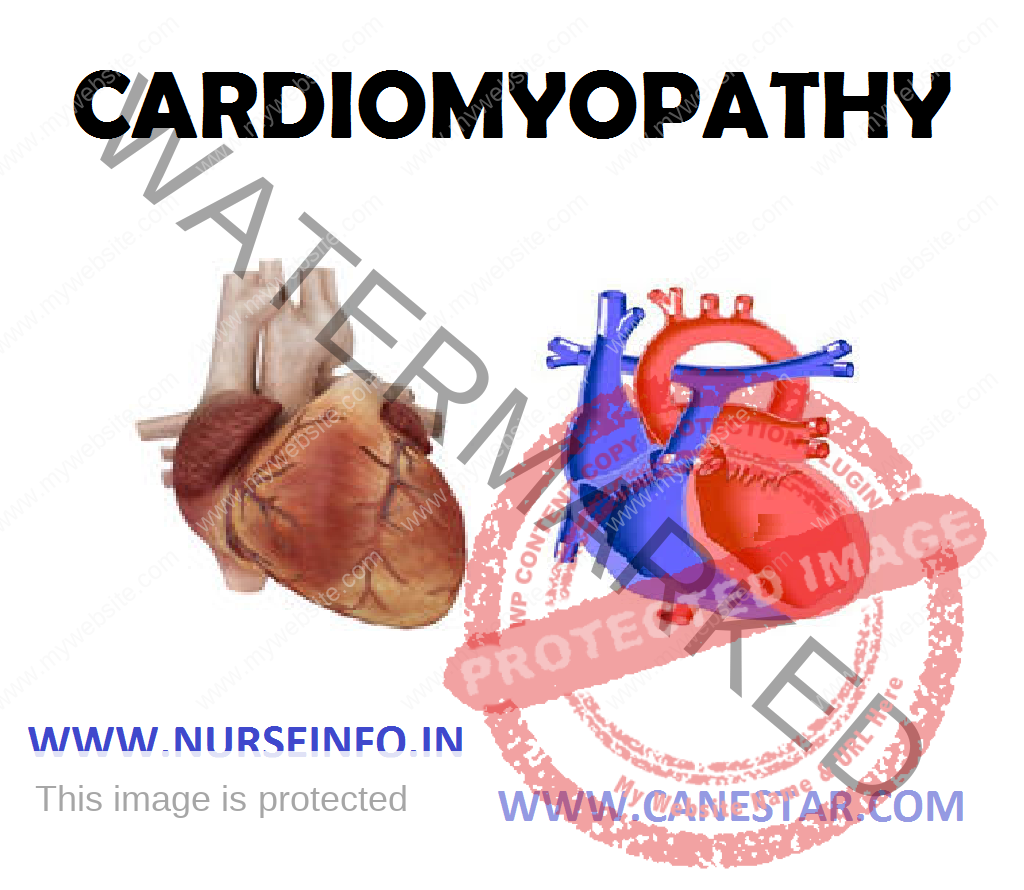
CARDIOMYOPATHY

CARDIOMYOPATHY – Etiology, Signs and Symptoms, Diagnostic Evaluation, Treatment and Management

Cardiomyopathy is a weakening of the heart muscle or associated with other problems with the heart muscle. It may be associated with heart failure, endocarditis or other heart problems which after the normal architecture of heart. Most patients with cardiomyopathy have heart failure

ETIOLOGY

In the broadest sense, “cardiomyopathy” (CM) refers to heart disease resulting from a primary abnormality of the myocardium (heart muscle). There are three types:

  • Dilated cardiomyopathy (also called ‘congestive’ cardiomyopathy)
  • Restrictive cardiomyopathy
  • Hypertrophic cardiomyopathy

Dilated cardiomyopathy is a condition in which the heart becomes weak and the chambers get large. As a result, the heart cannot pump enough blood out to the body. The heart with dilated cardiomyopathy is striking in appearance. Dilation (enlargement) of all chambers (both atria and both ventricles). The total size of the heart is typically huge (cardiomegaly). The myocardium becomes ‘flabby’ and loses its ability to contract. Naturally, the heart chambers will lose their pumping function and the heart will ultimately undergo failure. Since blood flow within the chambers is sluggish, intracardiac mural thrombi are prone to form on the inner walls of the atria and ventricles. Pieces of these thrombi may break off and embolize to the lungs (pulmonary emboli), or any other organ and tissue (systemic emboli). This may lead to infarction of these organs.

Hypertrophic cardiomyopathy (HCM) is a condition in which the heart muscle becomes thick. The thickening makes it harder for blood to leave the heart. This type of cardiomyopathy is usually passed down through families. This is a disease of younger people (mean age 26). It is a genetically inherited disease. The classic anatomic feature is the profound hypertrophy of the myocardium of the left ventricle. The part of the LV wall that forms the interventricular septum (IVS) is more hypertrophic than the lateral part of the LV wall. This extra-thickened interventricular septum is referred to as asymmetric septal hypertrophy (ASH). The IVS can become so hypertrophied that it bulges into the lumen of the LV, thereby decreasing the volume of the LV chamber.

Restrictive cardiomyopathy is a group of disorders. Restrictive cardiomyopathy can either be idiopathic or can be caused by diseases that deposit abnormal substances within the myocardium. The classic example is amyloidosis, whereby the abnormal amyloid protein accumulates within the myocardium, resulting in stiffness.

Peripartum cardiomyopathy occurs during pregnancy or in the first 5 months afterwards.

SIGNS AND SYMPTOMS

  • Breathlessness with exertion or even at rest
  • Swelling of the legs, ankles and feet
  • Bloating of the abdomen due to fluid buildup
  • Fatigue
  • Irregular heartbeats that feel rapid, pounding or fluttering
  • Dizziness, lightheadedness and fainting
  • Palpitations (fluttering in the chest due to abnormal heart rhythms)
  • Fainting (usually caused by irregular heart rhythms or abnormal responses of the blood vessels during exercise
  • Chest pain or pressure (occurs usually with exercise or physical activity but can also occur will rest or after meals)

DIAGNOSTIC EVALUATION

  • The health care provider may hear abnormal sounds, called murmurs, when listening to your heart with a stethoscope
  • A physical exam may also reveal:

Enlarged spleen and enlarged heart size with atrophy

  • The following tests may be performed:

Blood culture and sensitivity (to detect bacteria)

Chest X-ray

Complete blood count (may show mild anemia)

CT scan of the chest

Echocardiogram (ultrasound of the heart)

ECG

TREATMENT

  • When possible, the cause of cardiomyopathy is treated. Medicines and lifestyle changes are often needed to treat the symptoms of heart failure, angina, and abnormal heart rhythms

Different procedures or surgeries may also be used:

  • A defibrillator sends an electrical pulse to stop life-threatening abnormal heart rhythms
  • A pacemaker treats a slow heart rate or helps both sides of your heart beat at the same time
  • Coronary artery bypass (CABG) surgery or angioplasty can improve blood flow  to the damaged or weakened heart muscle
  • Heart transplant is used when all other treatments have failed

MANAGEMENT

  • The overall goals of treatment for cardiomyopathy are to manage your signs and symptoms, prevent your condition from worsening, and reduce your risk of complications.
  • Angiotensin-converting enzyme (ACE) inhibitors to improve your heart’s pumping capability, such as enalapril (Vasotec), lisinopril (Zestril, Prinivil), ramipril (Altace) and captopril (Capoten).
  • Angiotensin receptor blockers (ARBs) for those who cannot take ACE inhibitors, such as losartan (Cozaar) and valsartan (Diovan)
  • Beta blockers to improve heart function, such as carvedilol (Coreg) and metoprolol (Lopressor, Toprol-XL)
  • Digoxin (Lanoxin) this drug, also referred to as digitalis, increases the strength of your heart muscle contractions. It also tends to show the heartbeat. Digoxin reduces heart failure symptoms and improves your ability to live with cardiomyopathy
  • Diuretics: often called water pills, diuretics make you urinate more frequently and keep fluid from collecting in your body. Commonly prescribed diuretics for heart failure include bumetanide (Bumex) and furosemide (Lasix). The drugs also decrease fluid in your lungs, so you can breathe more easily. One diuretic, spironolactone (Aldactone), may also be helpful in treating scarring of your heart tissue.
  • Another option for some people with dilated cardiomyopathy is a special pacemaker that coordinates the contractions between the left and right ventricles (biventricular pacing). In people who may be at risk of serious arrhythmias, drug therapy or an implantable cardioverter-defibrillator (ICD) may be an option. An ICD is a small device – about the size of a box of matches – implanted in your chest to continuously monitor your heart rhythm and deliver electrical shocks when needed to control abnormal, rapid heartbeats. The device can also work as a pacemaker.

Surgical Management

  • Septal myectomy: this is an open-heart operation in which the surgeon removes part of the thickened, overgrown heart muscle wall (septum) that separates the two bottom heart chambers (ventricles). Removing the part of this overgrown muscle improves blood flow and reduces mitral regurgitation. Myectomy is used if medications do not relieve symptoms. Most people who have symptoms and undergo myectomy have no further symptoms. This type of surgery is available only in medical centers that specialize in the treatment of hypertrophic cardiomyopathy.
  • Septal ablation: also called septal alcohol ablation, this is a treatment in which a small portion of the thickened heart muscle is destroyed by injecting alcohol through a catheter into the artery supplying blood to it. There are possible complications with this procedure, including heart block – a disruption of the heart’s electrical system – which requires implantation of a pacemaker. The long term success of this procedure is not yet known, but it is becoming more commonly used.
  • Pacemaker implantation: a pacemaker is a small electronic device inserted under your skin that sends electrical signals to your heart to monitor and regulate your heartbeat. Surgery to implant the pacemaker is usually performed during local anesthesia and typically takes less than three hours. Pacemaker implantation is generally not as effective as surgical options, but it is sometimes used in older people who want to avoid more invasive procedures
  • Implantable cardioverter-defibrillator (ICD): this is a pager-sized device implanted in your chest like a pacemaker. An ICD continuously monitors your heartbeat. If a life-threatening arrhythmia occurs, the ICD delivers precisely calibrated electrical shocks to restore a normal heart rhythm. A small number of people with hypertrophic cardiomyopathy are at risk of sudden cardiac death because of abnormal heart rhythms. In these high-risk individuals, many doctors recommend the implantation of an ICD.
  • Heart transplant and ventricular assist devices (VADs): If you have severe cardiomyopathy and medications cannot control your symptoms, a heart transplant may be an option. Because of the shortage of donor hearts, even people who are critically ill may have a long wait before having a heart transplant. In some cases, a mechanical heart assist device can help critically ill people as they wait for an appropriately matched donor. These devices, known as ventricular assist devices (VADs), can help blood circulate through your heart for months or even years.

Nursing Management

  • Acute pain related to an impaired ability of blood vessels to supply oxygen to the tissues
  • Activity intolerance related to compromised oxygen transport system secondary to heart muscle dysfunction
  • Risk for ineffective breathing pattern related to decreased respiratory depth secondary to pain

Interventions

  • Bed rest is important because it reduces myocardial oxygen demand and usually continues until the following criteria are met:

Temperature remain normal without the use of salicylates

Resting pulse rate remains less than 100 beats/min

ECG tracings show no manifestations of myocardial damage

Pericardial friction rub is not present

  • Obtain a clear description of the pain or discomfort. Identify the source of greatest discomfort as a focus for intervention
  • Administer analgesics as needed and use salicylates around the clock. Balance rest and activity according to the degree of pain and activity tolerance.
  • Provide psychosocial support while patient is confined to hospital or home with restrictive intravenous therapy
  • If patient received surgical treatment, provide postsurgical care and instruction
  • After surgery, monitor patient’s temperature; a fever may be present for weeks
  • A high-protein, high-carbohydrate diet helps maintain adequate nutrition in the presence of fever and infection
  • Oral hygiene every 4 hours; small, attractive meal servings and foods that are not overly rich, sweet or greasy stimulate the appetite
  • Instruct the client about how to reduce exposure to infection as follows:

Take good care of the teeth and gums; obtain prompt dental care for cavities and gingivitis

Prophylactic medication may be needed before invasive dental procedures, and individualized evaluation for prophylaxis medication is also needed

Avoid people who have an upper respiratory tract infection

Assess for signs and symptoms of organ damage, such as stroke (CVA, brain attack), meningitis, heart failure, myocardial infarction, glomerulonephritis, and splenomegaly

Instruct patient and family about activity restrictions, medications and signs and symptoms of infection

Refer to home care nurse to supervise and monitor intravenous antibiotic therapy at home

CARDIOMYOPATHY – Etiology, Signs and Symptoms, Diagnostic Evaluation, Treatment and Management

CARDIOMYOPATHY – Etiology, Signs and Symptoms, Diagnostic Evaluation, Treatment and Management

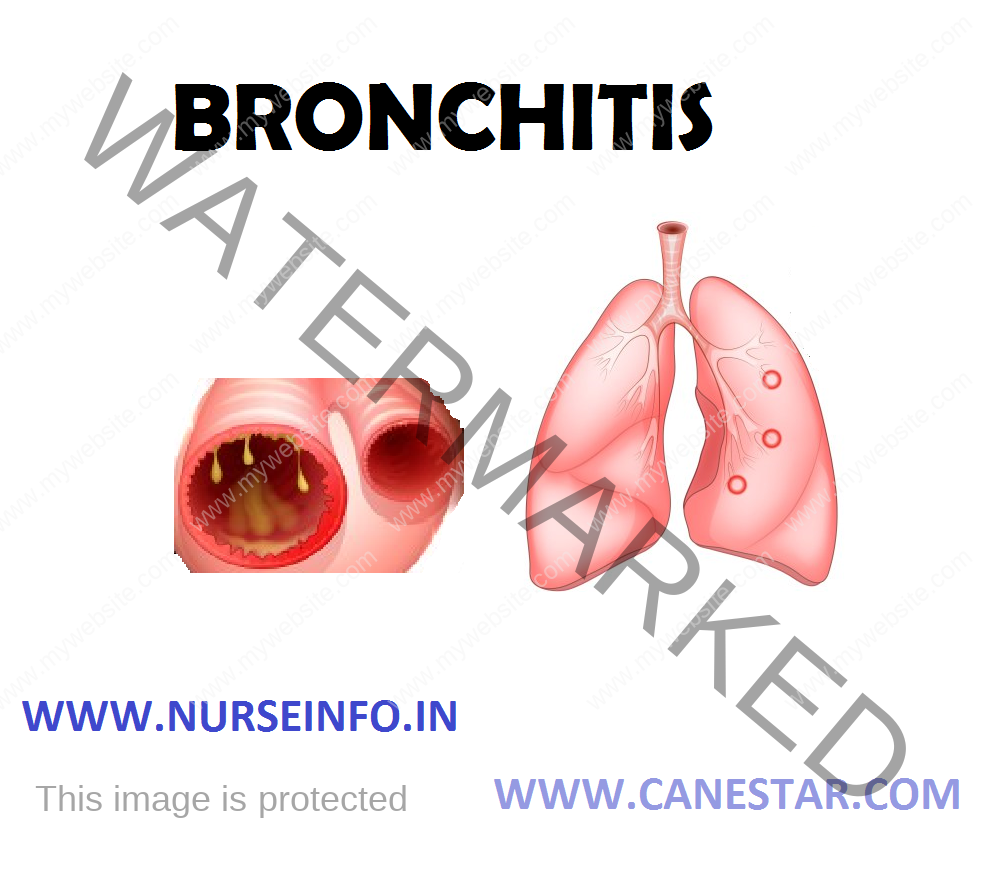
BRONCHITIS

BRONCHITIS – Etiology, Risk Factors, Pathophysiology, Clinical Manifestations, Complications, Diagnostic Evaluations and Management

Bronchitis is a term that describes inflammation of the bronchial tubes (bronchi and the smaller branches termed as bronchioles) that results in excessive secretions of mucus into the tubes, leading to tissue swelling that can narrow or close off bronchial tubes.

ETIOLOGY

  • Acute bronchitis (also known as a chest cold) is typically a fairly minor illness that causes symptoms for a few days to a couple of weeks. It usually resolves on its own with rest without leaving any obvious long-term consequences. Viruses, such as influenza, respiratory syncytial virus (RSV), and rhinoviruses cause the majority of cases of acute bronchitis, while the remainder are caused by bacteria (for example, mycoplasma, pneumococcus) or short-term exposure to chemical irritants (for example, tobacco smoke, gastric reflux contents, inhaled solvents).
  • Chronic bronchitis is a cough with mucus for at least three months in each of the two consecutive years. It can indicate other health problems as well as lead to permanent damage to lungs. It may occur due to deficiency of alpha-1 antitripsinogen enzyme.

RISK FACTORS

  • Cigarette smoke: people who smoke or who live with a smoker are at higher risk of both acute bronchitis and chronic bronchitis
  • Low resistance: this may result from another acute illness, such as cold, or from a chronic condition that compromises the immune system. Older adults, infants, and young children have greater vulnerability to infection.
  • Exposure to irritants: risk of developing bronchitis is greater if exposed to certain lung irritants, such as grains or textiles, or are exposed to chemical fumes.

PATHOPHYSIOLOGY

Cigarette smoking RTI (Respiratory Tract Infection) Environmental pollutants —- inflammation —- bradykinin, histamine, prostaglandin —- ↑ capillary permeability —- fluid/cellular exudation —- edema of mucous membrane —- hypersecretion of mucus —- persistent cough

CLINICAL MANIFESTATIONS

For either acute bronchitis or chronic bronchitis, signs and symptoms may include:

  • Cough
  • Production of mucus (sputum), which can be clear, white, yellowish-gray or green in color
  • Fatigue
  • Slight fever and chills
  • Chest discomfort

COMPLICATIONS

Although a single episode of bronchitis usually is not the cause for concern, it can lead to pneumonia in some people. Repeated bouts of bronchitis may signal:

  • Chronic bronchitis
  • Asthma
  • Bronchiectasis
  • Cystic fibrosis
  • Tuberculosis
  • Sinusitis
  • Dyspnea, sometimes severe
  • Respiratory failure
  • Pneumonia
  • Cor pulmonale
  • Pneumothorax
  • Polycythemia
  • COPD
  • Emphysema
  • Chronic advancement of the disease and
  • High mortality rate

DIAGNOSTIC EVALUATION

During the first few days of illness, it can be difficult to distinguish the signs and symptoms of bronchitis from those of a common cold

  • Chest X-ray: a chest X-ray can help determine pneumonia or another condition that may explain cough
  • Sputum culture: this test checks for the presence of bacteria in sputum produced when coughed. It is helpful in determining whether whooping cough or other illnesses would be helped by antibiotics
  • Pulmonary function test: during a pulmonary function test, you blow into a device called a spirometer, which measures how much air your lungs can hold and how quickly you can get air out of your lungs. This test checks for signs of asthma or emphysema.

MANAGEMENT

The goal of treatment for bronchitis is to relieve symptoms and ease breathing. In most cases, acute bronchitis requires only self-care treatments, such as:

  • Getting more rest
  • Taking over-the-counter pain medications
  • Drinking fluids
  • Breathing in warm, moist air

Medications

  • Antibiotics: such as fluoroquinolones, macrolides, sulfonamides, tetracyclines
  • Cough medicine: such as expectorants, mucolytics etc
  • Bronchodilators: such as theophyllin, etc. to dilate the bronchus and ease the sputum to come out
  • Steroids: such as prednisone, methylprednisone to reduce the inflammatory reaction and thus decrease the bronchial swelling and secretions that, in turn, allows better airflow because of reduced airway obstruction.
  • PDE4 inhibitors are a class of anti-inflammatory agents for exacerbations of COPD. It is primarily for exacerbations that involve excessive bronchitis and mucus production. There is currently only one agent called roflumilast a pill taken once per day.

Nursing Management

Nursing Diagnosis

  1. Impaired Gas Exchange related to altered oxygen supply 

Interventions

  • Assess respirations: quality, rate, pattern, depth, and breathing effort
  • Assess for life-threatening problems (i.e. respiratory arrest, flail chest, sucking chest wound)
  • Auscultate lung sounds: also assess for the presence of jugular vein distension (IVD) or tracheal deviation
  • Assess for signs of hypoxemia
  • Monitor vital signs
  • Assess for changes in orientation and behavior
  • Monitor ABGs
  • Place the patient on continuous pulse oximetry
  • Assess skin color for developmental of cyanosis, especially circumoral cyanosis
  • Provide supplemental oxygen, via 100% O2  non-rebreather mask
  • Prepare the patient for intubation
  • Ineffective Airway Clearance related to tracheobronchial obstruction

Interventions

  • Assess airway for patency by asking the patient to state his name
  • Inspect the mouth, neck and position of trachea for potential obstruction
  • Auscultate lungs for presence of normal or adventitious lung sounds
  • Assess respiratory quality, rate, depth, effort and pattern
  • Assess for mental status changes
  • Assess changes in vital signs
  • Monitor arterial blood gases (ABGs)
  • Administer supplemental oxygen
  • Position patient’s head with bed at 45 degrees (if tolerated)
  • Assist patient with coughing and deep breathing techniques (positioning, incentive spirometry, frequent position changes)
  • Prepare for placement of endotracheal or surgical airway (i.e. cricothyroidectomy, tracheostomy).
  • Confirm placement of the artificial airway
  • Impaired Gas Exchange related to altered oxygen supply

Interventions

  • Assess respirations: quality, rate, pattern, depth and breathing effort
  • Assess for life-threatening problems (i.e. respiratory arrest, flail chest, sucking chest wound)
  • Auscultate lung sounds. Also assess for the presence of jugular vein distention (JVD) or tracheal deviation
  • Assess for signs of hypoxemia
  • Monitor vital signs
  • Assess for changes in orientation and behavior
  • Monitor ABGs
  • Place the patient on continuous pulse oximetry
  • Assess skin color for development of cyanosis, especially circumoral cyanosis
  • Provide supplemental oxygen, via 100% O2  non-rebreather mask
  • Prepare the patient for intubation
BRONCHITIS – Etiology, Risk Factors, Pathophysiology, Clinical Manifestations, Complications, Diagnostic Evaluations and Management

BRONCHITIS – Etiology, Risk Factors, Pathophysiology, Clinical Manifestations, Complications, Diagnostic Evaluations and Management

ACUTE RESPIRATORY DISTRESS SYNDROME (ARDS)

ACUTE RESPIRATORY DISTRESS SYNDROME (ARDS) – Clinical Manifestations, Pathophysiology, Assessment and Diagnostic Findings and Management

It is the clinical syndrome which is characterized by a sudden and progressive pulmonary edema, increased bilateral infiltrates on chest X-ray, and the absence of an elevated atrial pressure.

Patient often demonstrates reduced lung compliance. A wide range of factors are associated with the development of ARDS. The main cause of death in ARDS is nonpulmonary multiple system organ failure, often with sepsis. Etiological factors related to acute respiratory distress syndrome:

Aspiration (gastric secretion, drowning)

Drug ingestion and overdose

Hematological disorder

Prolonged inhalation of high concentrations of oxygen, smoke and corrosive substance

Major surgery

Fat embolism

Systemic sepsis

Shock, trauma

CLINCIAL MANIFESTATIONS

ARDS is an acute event that typically develops over 4 to 48 hours. The acute phase of ARDS is marked by a rapid onset of severe dyspnea that usually occurs 12 to 48 hours after initiating the event. Other signs and symptoms include:

  • Increased pulse rates
  • Low PaO2
  • Dyspnea
  • Marked restlessness
  • Decreased mental status
  • Tachycardia
  • Sudden breathlessness
  • Low blood oxygen levels
  • Lung inflammation
  • Tachypnea
  • Hypotension

PATHOPHYSIOLOGY

Acute lung injury —- inflammation and inflammatory response —- release of mediators —- ↑ Capillary membrane, ↓ in airway diameter and injury to pulmonary vasculature

Permeability —- alveolar flooding —- with loss of surfactant —- alveolar collapse

↑ Airway resistance — ↓ Lung compliance —- ↑ work of breathing alveolar hypoventilation —- intrapulmonary shunting hypoxemia

Pulmonary vasoconstriction —- microemboli formation —- pulmonary hypertension alveolar dead space —- ↓ cardiac output

ASSESSMENT AND DIAGNOSTIC FINDINGS

On the physical examination, intercostal retraction and crackles may be present as the fluid begins to leak into the alveolar interstitial space. Common diagnostic tests performed in patient with potential ARDS include:

  • Echocardiography
  • ABG
  • CT scan of thorax
  • Chest X-ray
  • Sputum culture
  • Pulmonary artery catheterization

MANAGEMENT

  • The primary focus in the management of ARDS includes identification and treatment of the underlying condition. The supportive therapy almost always includes intubation and mechanical ventilation. In addition, circulatory support, adequate fluid volume, and nutrition support are important.
  • Supplement oxygen is used by the patient to begin the initial spiral of hypoxemia. As the hypoxemia progresses intubation and mechanical ventilation are required

TREATMENT OF ARDS

  • Intravenous fluids are given to provide nutrition and prevent dehydration and are carefully monitored to prevent fluid from accumulating in lungs
  • Antibiotic therapy is provided for infection

Pharmacological Management

In pharmacological management following drugs are included:

  • Antianxiety to reduce the anxiety
  • Diuretics to eliminate fluid from lungs
  • Antibiotics for the infection
  • Anti-inflammatory drugs

Nutritional Therapy

Adequate nutritional therapy support is vital in the treatment of ARDS. Patient with ARDS requires 35 to 45 kcal/kg/day to meet caloric requirement. Enteral feeding is the first consideration; however, parental nutrition may also be required.

Complications

  • Dysrhythmias
  • Multiorgan failure
  • Renal failure
  • Infection
  • Stress ulcer
  • Decreased cardiac output

Nursing Management

General Measure

  • A patient with ARDS is critically ill and requires close monitoring in the intensive care unit because his/her conditions could quickly become life-threatening. The nurse must closely monitor the patient for deterioration in oxygenation with a change in position. Oxygenation is sometimes increased in the ARDS patient in prone position. The position is elevated for improvement of oxygenation
  • A patient is extremely anxious and agitated because of the increase in hypoxemia and dyspnea. It is important to reduce the patient’s anxiety because anxiety increases oxygen expenditure by preventing rest. Rest is essential to limit oxygen consumption and reduce oxygen need.

Nursing Assessment

  • Assess breathing sound
  • Assess sign of hypoxemia and hypercapnea
  • Note the changes suggesting increased work of breathing or pulmonary
  • Determine hemodynamic status and compare it with previous value
  • Analyze the ABG and improve the previous values

Nursing Diagnosis

  • Ineffective airway clearance related to increase or tenacious secretion
  • Impaired gas exchange related to inadequate respiratory center activity or chest wall movement, airway obstruction, or fluid in lung
  • Acute pain related to inflammatory process of dyspnea

Nursing Intervention

  • Maintain airway clearance:

Administer medication to increase alveolar function

Perform chest physiotherapy to remove mucus

Administer IV fluids

Suction patient as needed to assist with removal of secretions

  • Relieving pain:

Watch patient for sign of discomfort and pain

Position the head elevated

Give prescribed morphine and monitor for pain-relieving sign

  • Reducing anxiety

Correct dyspnea and relive physical discomfort

Speak calmly and slowly

Explain diagnostic procedure

Listen to the patient

ACUTE RESPIRATORY DISTRESS SYNDROME (ARDS) – Clinical Manifestations, Pathophysiology, Assessment and Diagnostic Findings and Management

CHEST INJURIES

CHEST INJURIES – Classification, Signs and Symptoms, Diagnostic Evaluation and Management

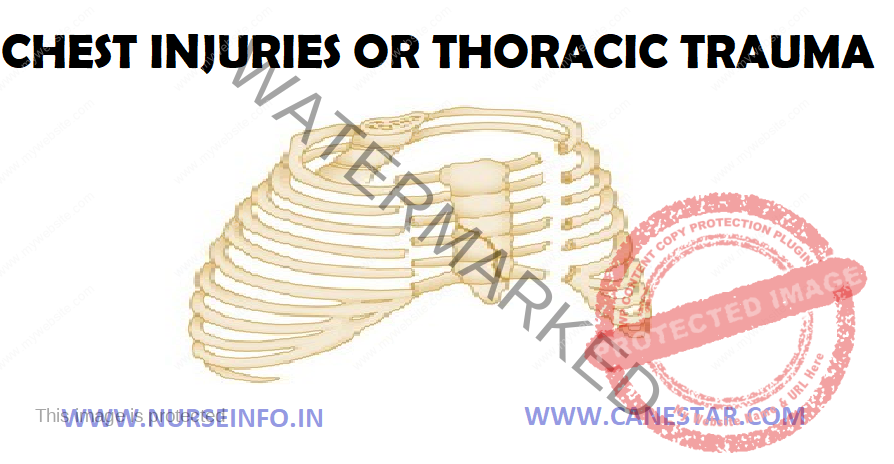
Chest injuries (or thoracic trauma) are a serious injury of the chest. Thoracic trauma is a common cause of significant disability and mortality, the leading cause of death from physical trauma after head and spinal cord injury. Blunt thoracic injuries are the primary or a contributing cause of about a quarter of all trauma-related deaths.

CLASSIFICATION

Chest trauma can be classified as

  • Blunt injuries
  • Crush injuries
  • Penetrating injuries

Blunt Trauma

Mode of injury is important where there has been massive deformity of a car or a history of a fall of 5 meters or more major intrathoracic injuries should always be suspected. The physical nature of chest wall allows for considerable elastic recoil, especially in young patients and, therefore, degree of injury within chest may need to be judged initially by deformity to car rather than appearance of patient.

Penetrating Injuries

  • Result in parenchymal damage related to track of missile or stabbing implement and velocity
  • More solid structures (e.g. heart and major vessels) suffer greater injury where high-velocity missiles are penetrating weapons
  • More lethal complication is hemorrhage
  • Often associated with abdominal trauma

Crush Injury

  • Occurs where elastic limits of chest and its contents have been exceeded
  • Patients usually have AP deformity
  • Majority have flail chests with multiple fractures, pneumothorax or hemothorax
  • Most have pulmonary contusion
  • Injuries of heart, aorta, diaphragm, liver, kidney and spleen are common

Specific Types of Chest Trauma

  • Injuries to the chest wall:

Rib fractures, flail chest and sterna fractures

  • Pulmonary injury (injury to the lung) and injuries involving the pleural space:

Pulmonary contusion, pulmonary laceration, pneumothorax, hemothorax, hemopneumothorax

  • Injury to the airways:

Tracheobronchial tear

  • Cardiac Injury

Pericardial tamponade

SIGNS AND SYMPTOMS

  • Air hunger, use of accessory muscles, tracheal deviation, cyanosis or distended neck veins (evidence of tension pneumothorax, or tamponade)
  • Tracheal deviation (evidence of tension pneumothorax)
  • Major defects in the chest (sucking chest wounds)
  • Unilaterally diminished breath sounds or hyper-resonance to percussion (evidence of closed pneumothorax or tension pneumothorax)
  • Decreased heart sounds (pericardial tamponade)
  • Location of foreign bodies
  • Location of entry and exit wounds

DIAGNOSTIC EVALUATION

  • Chest X-ray

CXR is most useful screening investigation

Look for subcutaneous air, foreign bodies, bony fractures, widening of mediastinum, atelectasis

Inspiratory and expiratory films for checking for pneumothorax

  • CT scan:

Valuable tool

Aids in diagnosis and precise location of numerous lesions

Contrast is useful particularly when looking for mediastinal hemorrhage and periaortic hematomas

  • Echocardiography: cardiac wall motion abnormalities and valve function and presence of pericardial fluid or blood
  • ECG: most common abnormality in thoracic trauma are S-T and T wave changes and findings indicative of bundle branch block
  • Angiography: remains the gold standard for defining thoracic vascular injuries
  • Bronchoscopy: indications include evaluation of airway injury, hemoptysis, segmental or lobar collapse, and removal of aspirated foreign bodies

MANAGEMENT

Immediate Management

  • Assure patient airway, oxygenation and ventilation
  • Exclude or treat:

Pneumothorax, hemothorax, cardiac tamponade

  • Assess for extrathoracic injuries
  • Decompress stomach
  • Provide pain relief
  • Reconsider endotracheal intubation, ventilation. In particular, take into account gross obesity, significant pre-existing lung disease, severe pulmonary contusion or aspiration, need for surgery for thoracic or extrathoracic injuries

General Management

  • Monitoring

Following are danger signs requiring full reassessment:

  • Respiratory rate > 20/min
  • Heart rate > 100/min
  • Systolic BP < 100 mm Hg
  • Reduced breath sounds on affected side
  • PaO2  < 9 kPa on room air
  • PaCO2  > 8 kPa
  • Increased size of pneumothorax, hemothorax or increased width of mediastinum on CXR
  • Deterioration in any of these signs must be followed by a search for evidence of blood loss, tension pneumothorax, head injury, sepsis or fat embolism. Chest drains should be checked for patency.
  • Chest drains: indications for insertion of chest drains in stable patients:

Pneumothorax  > 10% in nonventilated patients (i.e. > 1 intercostal space)

Hemothorax  > 500 ml (i.e. above neck of 7th rib)

Surgical emphysema

  • Antibiotics

Use of prophylactic antibiotics is controversial. Some recommend them for patients treated conservatively in whom a chest drain is inserted

Cefuroxime and metronidazole for patients with perforated viscus (in addition to exploration and drainage)

  • Mechanical ventilation

Most enters use PCV or PSV to reduce incidence of barotraumas

PCV and PSV also provide some compensation for air leaks

  • Analgesia:

IV opioids in frequent small doses or by continuous infusion

Entonox inhalation during physiotherapy

Intercostal nerve block

Multiple individual nerve blocks

Single large volume (e.g. 20 ml 0.5% bupivicaine) into one intercostals space.  Spreads is to block nerves above and below

Intrapleural bupivicaine via intercostal catheters using intermittent injections or continuous infusions

NSAIDs: fully resuscitated patients with normal renal function

Postoperative Intensive Care

  • Following tracheobronchial, lung or diaphragmatic repair, high inflation pressures should be avoided
  • Tracheal suction must be minimal where there is a tracheobronchial suture line
  • Avoid fluid overload
  • Prevent gastric distension
CHEST INJURIES – Classification, Signs and Symptoms, Diagnostic Evaluation and Management

CHEST INJURIES – Classification, Signs and Symptoms, Diagnostic Evaluation and Management

Scope of MHN

SCOPE OF MENTAL HEALTH NURSING

NURSING PROCEDURES LIST CLICK HERE

Psychiatric mental health nursing is a specialized area of nursing practice which uses nursing, neurobiological and psychosocial theories and research evidence as its science and purposeful use of self as its art, to promote mental health through the assessments, diagnosis and treatment of human responses to mental health problems and psychiatric disorders.

Psychiatric nurses provide patient centered comprehensive pyschiatric care in a variety of settings across the entire continuum of care. The continuum of care levels span from illness to wellness states. The primary goal of a continuum of care is to provide treatment that allows the patient to achieve the highest level of functioning in the least restrictive environment.

The essential components of psychiatric nursing practice include promotion of mental health, prevention of mental health problems, care and treatment of persons with psychiatric disorders and rehabilitation of mentally ill individuals.

The areas of concern for a psychiatric nurse include a wide range of actual or potential mental health problems, such as:

  • Promotion of well-being, mental and physical health.
  • Prevention of mental illnesses.
  • Emotional stress or crises related to illness, pain, disability and loss
  • Impaired ability to function related to mental health problems
  • Alteration in thinking, perceiving and communicating due to mental health problems.
  • Behavioral and mental states that indicate potential danger to self or others
  • Self-concept and body image changes, developmental issues, life process changes, physical symptoms that occur due to psychological changes.
  • Psychological symptoms that occur along with altered physiological status
  • Side effects or complications associated with psychopharmacological interventions and other treatment modalities
  • Alcohol and substance abuse and dependence problems
  • Interpersonal, organizational or other environmental circumstances and their effects on mental well-being of the individual, family and community.

Today, the scope of mental health nursing is not restricted within the confines of the bedside nursing care. A mental health nurse needs to be skilled and clinically competent, sensitive to the social environment, the advocacy needs of the patients and their families as well as be aware of the legal and ethical dilemmas.

Roles of the Psychiatric-Mental Health Nurse in Contemporary Mental Health Care

Trends and issues in the health care system affect the roles of the psychiatric-mental health nurse. Although psychiatric nurses have traditionally worked on impatient psychiatric units, they have continued to expand their role into the community.

There are two levels of psychiatric-mental health nurses: The generalist (registers psychiatric nurse) and the specialist (CNS). The scope and roles of both are guided by nurse practice acts and by standards of care.

Role of the Generalist

The psychiatric mental health generalist nurse is a licensed registered nurse for delivering primary mental health care. It incorporated both physical and mental health care. Generalist exercises a holistic approach to practice and performs psychiatric nursing in prevention programs, community and day treatment centers, psychiatric rehabilitation facilities, homeless shelters and may other settings.

Role of the Specialist

Psychiatric clinical Nurse Specialist (CNS) holds a masters degree in psychiatric mental health nursing. CNS is an advanced practice nurse who is usually a primary health care provider, functions autonomously, often works in a semi-isolated situation, has medication prescription privileges (depending on individual state laws), manages the overall care of people with emotional and psychiatric problems, and usually has a consultative arrangements with a psychiatrist. For example, the advanced practice nurses in Minnesota are psychotherapists, consultants, milieu specialists, role models, teachers, administrators, crisis intervention specialists and co-coordinators.

Community Mental Health Nurse

Community mental health nursing (CMHN) is the application of knowledge of psychiatric nursing in preventing mental illness, promoting and maintaining mental health of the people. It includes early diagnosis, appropriate referrals, care and rehabilitation of mentally ill people.

Psychiatric Home Care Nurse

Home health care is one aspect of community health nursing. Psychiatric home care nurses provide holistic psychiatric nursing care in a visiting basis to people needing assistance. These nurses provide comprehensive care, including psychiatric and physical assessment, direct nursing care, behavioral management crisis intervention, psycho education, in-home detoxification, medication management, case management and consultation with colleagues.

Forensic Psychiatric Nurse

Forensic nursing is a growing specialty in other countries around the globe, especially in the UK, Australia, Germany, Japan and Canada and it is an expanded scope of practice. The forensic psychiatric nurse works with individuals who have mental health needs and who have entered the legal system.

Nurses in this role perform physical and psychiatric assessment and develop plans of care for the patients entrusted to their care.

Psychiatric Consultation-Liaison Nurse

Psychiatric consultation-liaison nurse (PCLN) has arisen in response to the increased recognition of the importance of psychophysiological inter-relationships and their impact on physical illness, recovery and wellness. It is an advanced practice nurse who practices psychiatric and mental health nursing in a medical setting/non-psychiatric setting providing consultation and education to patients, families, and health care team and the community. PCLN may provide assessment, recommendations and supportive therapy to patients who are anxious, depressed or experiencing other psychological problems or emotional distress.

Case Manager

Nurse case managers act as advocates for patients and their families by coordinating care and linking the patient with the physician, other members of the healthcare team, resources and the payers.

Factors that indicate the need for a nurse case manager include:

  • A complex treatment plan that requires coordination
  • An injury or illness that may permanently prevent the patient form returning to a previous level of health
  • Pre-existing medical condition that may complicate or prolong recovery
  • A need for assistance in accessing healthcare resources
  • Environmental stressors that may interfere with recovery

In the community, the case manager works with patients on a broad range of issues from accessing needed medical and psychiatric services to carrying out tasks of daily living such as using public transportation, managing money and buying groceries.

Case management can be provided by an individual or a team. It may include both face-to-face and telephone contact with the patient as well as contact with other service providers.

One of the most valuable assests case managers possess is their ability to synthesize patient data and act as conduits between patients and the health care system.

Geropsychiatric Nurse

Geronursing is expanding the psychiatric nursing practice to aged people who have been affected by emotional and behavioral disorders such as dementia, chronic schizophrenia, delirium, etc.,

Parish Nurse

Parish nursing is another area of expansion in the role of a psychiatric nurse. Parish nursing is a program that promotes health and wellness of body, mind and spirit. The parish nurse is a pastorally called, spiritually mature, licensed registered nurse, with a desire to serve the members and friends of his or her congregation. In 1998, the American Nursing Association recognized parish nursing as a specialty focusing in disease prevention and health promotion. It is a noninvasive type of nursing in which no hands-on nursing care is provided; rather parish nurses are conduits of health information, support and social services. They evaluate the unique needs of various age groups within the congregation, including children, adults and the elderly. They serve as the community link between health institution and home by providing physical and mental health screenings, outreach education and visits to the home, hospital or long-term care facility.

Telehealth/Telenurse

Nurses engaged in telenursing practice use technologies such as internet, computers, telephones, digital assessment tools and telemonitoring equipments to deliver nursing care. In India, around 10 hospitals are having tele-medicine departments. For example, at Apollo hospitals, Narayana Hrudayalaya and Hosmat hospital at Bengaluru, job opportunities are available for tele-nurses. Chaitanya Medical Foundation, Bengaluru, is providing tele-nursing education. IT companies are recruiting telehealth nurses in Hyderabad, Bengaluru and Chennai. For example: Infosys, Vivus, etc.

Nurse Researcher

Nurse researchers are scientists who seek to find answers to questions through methodical observations and experimentation. They design studies, conduct research and disseminate findings at professional meets and in peer reviewed journals. They are doctorally or postdoctorally prepared persons who initiate or participate in all phases of the research process. They work in a variety of settings.

Psychiatric Nurse Educator

The psychiatric nurse educator works in educational institutions, staff development department of health care agencies and patient education department as well ( teach the mentally ill patients and their families about care to provide at home). Another function of a nurse educator is planning and changing the curriculum according to the needs of the society and learner.

Nurse Administrator/Manager

A nurse manager work less directly with patients, but has the responsibility to provide nursing leadership to ensure that an appropriate therapeutic milieu is maintained. Key responsibility is to support and aid development of nurses and represents nursing views to senior managers. Nurse Manager plays an important role in negotiating and allocating nursing resources within clinical directorates. Individuals who assume a nurse executive role typically hole a masters degree. They serve at all management levels in health care organizations and in the community.

Psychiatric Nurse as Collaborative Member of the Interdisciplinary Team

Collaboration implies a commitment to common goals, with shared responsibility for the outcome of care. It also implies helping to facilitate the mental health of the patient, family or community within the context of the treatment team. Nurses bring their own specialized knowledge to the treatment process, thereby, enhancing information about the patients’ assessment, treatment needs and progress. Seven characteristics of effective collaboration include: Trust, respect, commitment, cooperation, coordination, communication and flexibility.

Nurse Psychopharmacologist

One of the latest roles is that of the nurse psychopharmacologist- the psychiatric clinical nurse specialist with prescriptive authority.

Holistic Nurse

Holistic nursing integrates complementary and alternative modalities such as relaxation, meditation, guided imagery, body mind interventions, bio-feedback, reikhi, etc., along with traditional nursing interventions. A holistic nurse uses theories of wholeness, expertise, caring and intuition. In CAM therapies, patients become therapeutic partners in a mutually evolving process towards healing, balance and wholeness. Holistic nurses conduct holistic assessments, select appropriate interventions and assist the patient in exploring self-awarness, spirituality and personal transformation in healing. The most frequently employed therapies used by the nurses are massage, music, exercise, diet, prayer and counseling.

The new opportunities for psychiatric nursing practice that are emerging throughout the continuum of mental health care are exciting for the specialty. They allow psychiatric nurses to demonstrate their flexibility, accountability, and self-direction as they move forward into these expanding areas of practice. The expansion of mental health treatment settings is providing psychiatric nurses with the opportunity to implement primary, secondary and tertiary prevention functions from a holistic, biopsychosocial perspective, thus expanding their base of practice to better meet the mental health needs of individuals, families, groups and communities.

Focuses Areas of Psychiatric Nursing Practice

Areas of focus within pyschiatric nursing have emerged based on current and anticipated societal needs. These areas of focus include adult, child-adolescent, geriatric, developmental disability, forensic, addiction, community and family psychiatry.

Clinical practice settings for psychiatric nurses include psychiatric emergency services, crisis intervention centers, acute inpatient care, chronic inpatient care, rehabilitation centers, partial hospitalization centers, child-adolescent psychiatry centers, family therapy units, psychotherapy units, home settings, community based centers, tele-nursing, hospice care centers, medical inpatient wards, industrial medical centers, forensic psychiatric wards and private practice.

SCOPE OF MENTAL HEALTH NURSING

SCOPE OF MENTAL HEALTH NURSING

Rib Fracture

RIB FRACTURE – Definition, Etiology, Signs and Symptoms and Treatment

Fractures of the first and second ribs may be more likely to be associated with head and facial injuries than other rib fractures. The middle ribs are the ones most commonly fractured. Fractured usually occur from direct blows or from indirect crushing injuries. The weakest part of a rib is just anterior to its angle, but a fracture can occur anywhere.

The most commonly fractured ribs are the 7th and 10th. A lower rib fracture has the complication of potentially injuring the diaphragm, which could result in a diaphragmatic hernia. Rib fractures are usually quite painful because the ribs have to move to allow for breathing. Even a small crack can inflame a tendon and cripple an arm. When several ribs are broken in several places, a flail chest results, and the detached bone sections will move separately from the rest of the chest.

DEFINITION

A rib fracture is a breaking or fracture in one or more of the bones making up the rib cage. The first rib is rarely fractured because of its protected position behind the clavicle. If it is broken, serious damage can occur to the brachial plexus of nerves and the subclavian vessels.

ETIOLOGY

  • Rib fractures can occur without direct trauma and have been reported after sustained coughing
  • Various sports, for example, rowing and golf, often in elite athletes. They can also occur as a consequence of diseases such as cancer or infections
  • Fragility fractures of ribs can occur due to diseased bone structure, e.g., osteoporosis and metastatic deposits.

SIGNS AND SYMPTOMS

  • Pain when breathing or with movement
  • A portion of the chest wall moving separately from the rest of the chest (flail chest)
  • A grating sound with breathing or movement
  • Where the mechanism of injury would indicate substantial force to the ribs

TREATMENT

There is no specific treatment for rib fractures, but various supportive measures can be taken. In simple rib fractures, pain can lead to reduced movement and cough suppression. This can contribute to formation of secondary chest infection.

  • Adequate analgesia can avoid pain
  • It is a potentially life-threatening injury and will often require a period of assisted ventilation
  • Acute innovations RibLoc is a titanium U-shaped plate that is sized to match rib thickness and uses screws that fixate to anterior and posterior of plate and provide fixation without needing purchase for screws and without risking damage to the neurovascular bundle. These plates can be contoured to match the rib segment being plated and come in various lengths.
  • Judet and/or Sanchez Plates/Struts are metal plates with strips that bend around the rib and then are further secured with sutures
  • Synthes MATRIX RIB Fixation System has two options. A precontoured metal plate that uses screws to secure the plate to the rib and an intramedullary splint which is tunneled into the rib and secured with a set screw.
  • Anterior locking plates are metal plates that have holes for screws throughout the plate. The plate is positioned over the rib and screwed into the bone at the desired position. The plates may be bent to match the contour of the rib section.
RIB FRACTURE – Definition, Etiology, Signs and Symptoms and Treatment

RIB FRACTURE – Definition, Etiology, Signs and Symptoms and Treatment

Deep Vein Thrombosis

DEEP VEIN THROMBOSIS – Etiology, Risk Factors, Pathophysiology, Clinical Manifestation, Diagnostic Evaluation and Management (Surgical and Nursing)

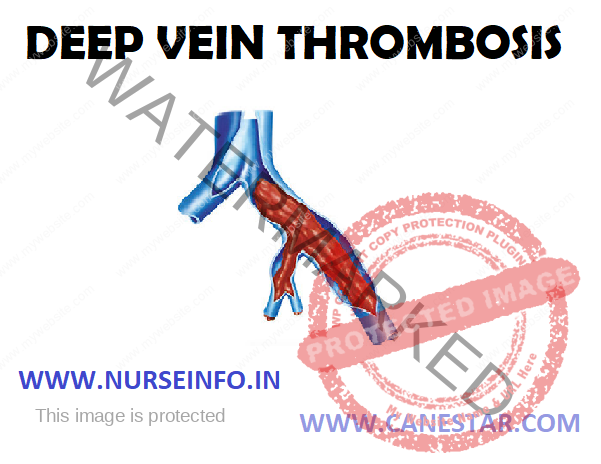
Deep vein thrombosis or deep venous thrombosis (DVT) is a blood clot in a deep vein. A clot inside a blood vessel is called thrombus. Deep vein thrombosis (DVT) is a condition in which a blood clot forms in one or more of the deep veins in the body, usually in a calf or thigh muscle of legs.

ETIOLOGY

  • Combination of venous stasis
  • Hypercoagulability
  • Physical damage or endothelial activation
  • Genetic factors: deficiencies in antithrombin, protein C

RISK FACTORS

  • Acquired

Older age

Major surgery and orthopedic surgery

Cancers especially pancreatic

Immobilization, as in orthopedic casts the sitting position, and travel, particularly by air

Pregnancy and the postpartum period

Antiphospholipid syndrome (such as lupus anticoagulant)

Trauma and minor leg injury

Previous oral contraceptives

Hormonal replacement therapy

Central venous catheters

Inflammatory diseases and some autoimmune diseases

Nephritic syndrome

Obesity

Infection

HIV

Polycythemia vera

Chemotherapy

  • Inherited

Antithrombin deficiency

Protein C deficiency

Protein S deficiency (type I)

Factor V Leiden

Prothrombin

Dysfibrinogenemia

Non-O-blood type

  • Mixed

Low free protein S

Activated protein C resistance

High factor VIII levels

Hyperhomocysteinemia

High fibrinogen levels

High factor IX levels

High factor XI levels

PATHOPHYSIOLOGY

When legs are inactivated —- ineffective blood pools by gravity in the veins —- thrombus develops in local process —- platelets adhere to endothelium —- adenosine diphosphate is released by dead tissue —- this leads to platelet plug form —- risk of embolization

CLINCIAL MANIFESTATION

  • Swelling in one or both legs
  • Pain or tenderness in one or both legs, which may occur only while standing or walking
  • Warmth in the skin of the affected leg
  • Red or discolored skin in the affected leg
  • Visible surface veins
  • Leg fatigue

DIAGNOSTIC EVALUATION

  • Physical examination: swelling in the leg from fluid can result in ‘pitting’ after pressure is applied
  • CT scan: an abdominal CT scan shows a common iliac vein thrombosis
  • D-dimer test: a type of blood test that detects pieces of blood clots that have broken down and are loose in the bloodstream
  • Duplex ultrasound: during this test, high-frequency sound waves bounce off the inside of body, producing images of blood vessels. An ultrasound image demonstrates a blood clot in the left common femoral vein

MANAGEMENT

  • Anticoagulation: anticoagulation, which prevents further coagulation but does not act on existing clots, is the standard treatment for DVT. Parenteral anticoagulant (such as fondaparinux, or heparin) for at least five days and a vitamin K antagonist an oral anticoagulant
  • Graduated compression stockings and walking: in addition to anticoagulation treatment, the graduated compression stockings, which apply higher pressure (30 to 40 mm Hg) at the ankles and a lower pressure around the knees is suggested. Walking is also suggested over bed rest for those without severe pain or edema

SURGICAL MANAGEMENT

  • Inferior vena cava filters: inferior vena cava filters (IVC filters) are used on the presumption that they reduce PE. They are only recommended in some high-risk scenarios
  • Thrombolysis: thrombolysis, which acts to break up clots, can be systemic or catheter-directed, patients may choose thrombolysis, if it concerns over the complexity, bleeding risk, and cost of the procedure
  • Mechanical thrombectomy: a mechanical thrombectomy device can remove a thrombosis

Nursing Management

Nursing Diagnosis: Risk for hemorrhage related to graft procedure

Interventions

  • Monitor pulse rate
  • Monitor central venous pressure
  • Provide sterile dressing on wound
  • Give vitamin K as per doctor’s advice

Nursing Diagnosis: Pain related to disease condition as evidenced by verbal communication.

Interventions

  • Assess for the presence of pain, the scale and intensity of pain
  • Teach the client about pain management and relaxation with distraction
  • Secure the chest tube to restrict movement and avoid irritation
  • Assess pain-reduction measures
  • Provide analgesics as indicated

Nursing Diagnosis: risk for impaired gas exchange related to cough and pain from incision

Interventions

  • Airway management

Open the airway with headtilt, chinlift, jaw thrust

Set the position to maximize ventilation

Use tools airway

Perform chest physiotherapy

Teach breathing deeply and coughing effectively

Perform suction

Auscultation of breath sounds

Give bronchodilators

  • Oxygenation therapy

Provide humidification system of oxygen equipment

Monitor the flow of oxygen and the amount given

Monitor signs of oxygen toxicity

DEEP VEIN THROMBOSIS – Etiology, Risk Factors, Pathophysiology, Clinical Manifestation, Diagnostic Evaluation and Management (Surgical and Nursing)

DEEP VEIN THROMBOSIS – Etiology, Risk Factors, Pathophysiology, Clinical Manifestation, Diagnostic Evaluation and Management (Surgical and Nursing)

SOMATOFORM DISORDERS

SOMATOFORM DISORDERS – Types, Diagnoses and Treatment

These disorders are characterized by repeated presentation with physical symptoms which do not have any physical basis, and a persistent request for investigations and treatment despite repeated assurance by the treating doctors. In these disorders, manifestation of physical symptoms is caused by psychological distress.

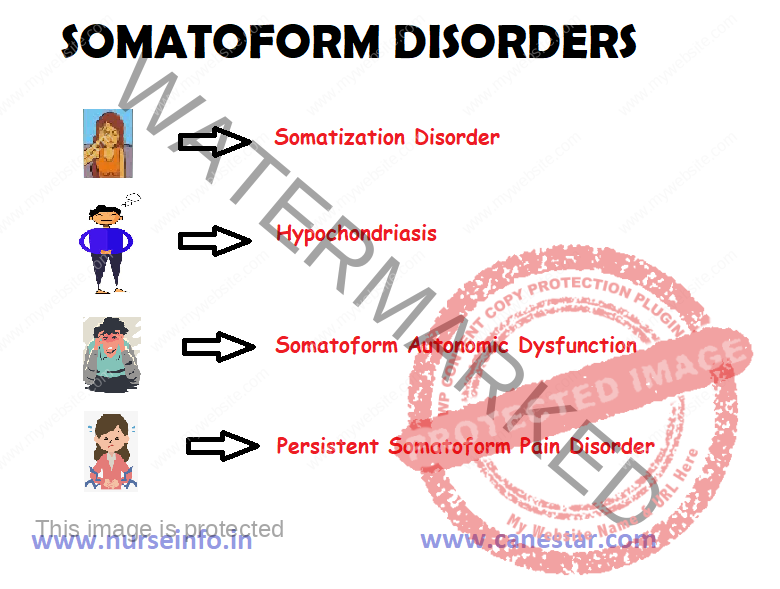
These disorders are divided into following categories:

  • Somatization disorder
  • Hypochondriasis
  • Somatoform autonomic dysfunction
  • Persistent somatoform pain disorder

Somatization Disorder: 

Somatization disorder is characterized by chronic multiple somatic symptoms in the absence of physical disorder. The symptoms are vague, presented in a dramatic manner and involve multiple organ systems.

Common Signs and Symptoms of Somatization Disorder

  • Multiple somatic complaints, unexplained by medical findings
  • Complaints of pain in at least four different locations
  • Two gastrointestinal, one sexual or reproductive and one neurologic symptom
  • Moderate to severe anxiety
  • Inability to voluntarily control the symptoms
  • Dependency with demanding, attention getting behaviors
  • Secondary gain
  • Significant distress or impairment in social or occupational areas

Hypochondriasis

Hypochondriasis is defined as a persistent preoccupation with a fear of belief of having a serious disease despite repeated medical reassurance

Common Signs and Symptoms of Hypocondriasis

  • Fear or preoccupation with body functioning misperceived as a major illness
  • Repeated healthcare visits seeking verification of fear (doctor shopping)
  • Symptoms reported in specific detail
  • Involvement of one or more body systems
  • Unconvinced by repeated examinations, investigations and reassurance that disease does not exist
  • Impaired social and family relationships

Somatoform Autonomic Dysfunction

In this disorder, the symptoms are predominantly under autonomic control, as if they were due to a physical disorder. Some of them include palpitations, hiccoughs, hyperventilation, irritable bowel, dysuria etc.

Persistent Somatoform Pain Disorder

The main feature of this disorder is severe, persistent pain without any physical basis. It may be of sufficient severity so as to cause social or occupational impairment. Preoccupation with the pain is common.

DIAGNOSES

  • Physical workup to rule out medical and neurologic conditions
  • Complete patient history with emphasis on current psychological stressors
  • Tests to rule out underlying organic disease

TREATMENT MODALITIES

Drug Therapy:

  • Antidepressants
  • Benzodiazepines

Psychological Treatment

  • Supportive Psychotherapy
  • Relaxation Therapy

NURSING INTERVENTIONS (SOMATOFORM)

  • Before a somatoform determination, a physical examination and diagnostic testing are necessary to rule out any underlying pathology
  • Create an accepting safe and supportive atmosphere that allows open communication with the patient
  • Should focus on the whole person, including psychological, social and family factors in addition to the physical symptoms
  • It must be remembered that they are not consciously trying to be sick or avoid responsibilities
  • Respond to patient with understanding and patience
  • Identify types of primary and secondary gain achieved by symptoms
  • Minimize time and attention given to physical symptoms
  • Encourage patient to keep a diary of daily happenings and feelings, along with physical symptoms
  • Encourage the patient to make decisions and take responsibility for situations related to them
  • Help the patient to identify more effective coping mechanisms rather than the somatic syndromes

OTHER NEUROTIC DISORDERS

According to ICD10, the other neurotic disorders are neurasthenia, depersonalization-derealization syndrome and culture bound syndromes

Neurasthenia

It is characterized by persisting and distressing complaints of increased fatigue after mental or physical effort

Depersonalization

It is characterized by an alternation in the perception or experience of self, so that the feeling of one’s own reality is temporarily changed or lost

Derealization

It is an alternation in the perception or experience of the external world, so that the feeling of reality of external world is temporarily changed or lost

Dhat Syndrome

It is a culture-bound syndrome, which is prevalent in the Indian Subcontinent, characterized by complaint of passage of whitish discharge (Dhat) in urine, multiple somatic symptoms, physical or mental exhaustion, anxiety or depression and sexual dysfunction.

Treatment

  • Supportive Psychotherapy
  • Counseling
  • Antidepressants
SOMATOFORM DISORDERS – Types, Diagnoses and Treatment

MEGALOBLASTIC ANEMIA

MEGALOBLASTIC ANEMIA – Types, Etiology, Clinical Manifestation, Diagnostic Evaluation and Management

Megaloblastic anemia are a group of disorders caused by impaired DNA synthesis and characterized by the presence of large RBC’s. When DNA synthesis is impaired, defective RBC maturation result. The RBC’s are large (macrocytic) and abnormal and are referred to as megaloblasts.

It is caused by deficiency of vitamin B12 or folic acid, this type of RBC deformity can also occur from suppression of DNA synthesis by drugs.

TYPES

  • Cobalamin (vitamin B12) deficiency
  • Folic acid deficiency

Cobalamine (Vitamin B12) deficiency

It is also known as pernicious anemia. It is caused by decreased absorption of vitamin B12. Normally a protein termed intrinsic factor is secreted by the parital cells of the gastric mucosa. Intrinsic factor is required for cobalamin absorption. Therefore intrinsic factor is not secreted cobalamin will not be absorbed (cobalamin is normally absorbed in the distal ileum).

ETIOLOGY

Folic acid Deficiency

  • People who rarely eat uncooked vegetables.
  • Alcohol increases folic acid requirements and have diet deficient in vitamin.
  • Patients with chronic hemolytic anemias and women who are pregnant.
  • Patients with malabsorptive diseases of the small bowel, such as sprue, may not absorb folic acid normally.

Vitamin B12 Deficiency

  • Inadequate dietary intake; who consume no meat or dairy products.
  • Faulty absorption from gastrointestinal tract such as Crohn’s disease, or after ileal resection or gastrectomy.
  • Absence of intrinsic factor, as in pernicious anemia. Without intrinsic factor, orally consumed vitamin B12 cannot be absorbed, and RBC production is eventually diminshed.

CLINICAL MANIFESTATION

Signs and symtoms of vitamin deficiency anemia include:

  • Fatigue
  • Shortness of breath
  • Dizziness
  • Pale or yellowish skin
  • Irregular heartbeats
  • Weightloss
  • Numbness or tingling in your hands and feet
  • Muscle weakness
  • Personality changes
  • Unsteady movements
  • Mental confusion or forgetfulness.

Vitamin deficiencies usually develop slowly over several months to years. Vitamin deficiency symptoms maybe subtle at first, but hey increase as the deficiency worsens.

DIAGNOSTIC EVALUATION

  • The number and appearance of red blood cells: people with anemia have fewer red blood cells than normal. In vitamin deficiency anemia related to a lack of vitmin B12 and folate, the red blood cells appear large and under developed. In advanced deficiencies, the numbers of white blood cells and platelets also might be decreased and look abnormal under a microscope.
  • The amount of folate, vitamin B2 and vitamin C in blood: Folate and vitamin B12 levels are measured at the same time because these deficiences can cause cause similar signs ans symptoms.
  • Antibodies test: A sample of blood to check for antibodies to intrinsic factor. There presence indicates pernicious anemia.
  • Methylmalonic acid test: To measure the presence of a substance called methylmalonic acid. The level of this substance is higher in people with vitamin B12 deficiency.
  • Schilling test: In this test, first ingest a tiny amount of radioactive vitamin B12. Then blood is checked, if body absorbed the vitamin B12 or not. After that, ingest a combination of radioactive vitamin B12 and intrinsic factor. If the radioactive B12 is absorbed only when taken with intrinsic factor, it confirms that lack of intrinsic factor.

MANAGEMENT

Medical Management

  • Increasing amount of folic acid in diet and administering 1 mg of folic acid daily.
  • Folic acid administered intramuscularly only for people with malabsorption problems.
  • After hemoglobin level returns to normal, folic acid replacement can be stopped.
  • Vitamin B12 deficiency treated by vitamin B12 replacement.
  • Vegetarian supplements through vitamins or fortified soy milk.
  • If deficiency due to defective absorption or absence of intrinsic factor, replacement is by monthly intramuscular injections of vitamin B12, usually at a dose of 1000 µg. to prevent recurrence, vitamin B12 therapy must be continued for life.
  •  
MEGALOBLASTIC ANEMIA – Types, Etiology, Clinical Manifestation, Diagnostic Evaluation and Management

MEGALOBLASTIC ANEMIA – Types, Etiology, Clinical Manifestation, Diagnostic Evaluation and Management
Nurse Info