Home Blog Page 32

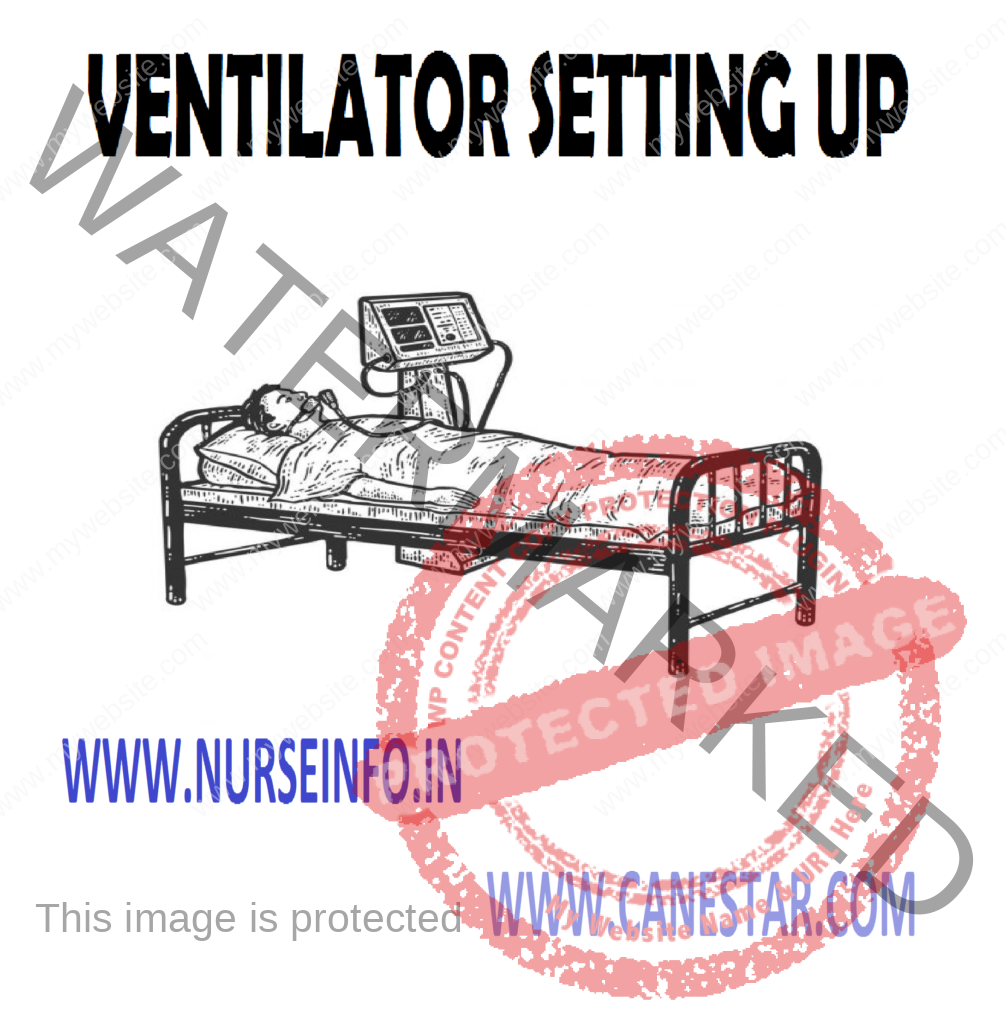
VENTILATOR SETTING UP

VENTILATOR SETTING UP – Ventilator Checks, Complications of Mechanical Ventilation, Fluid Retention and Hemodynamic Alteration and Ventilator Trouble Shooting

Airway has to be established either by endotracheal tube or tracheostomy tube before connecting. The patient to the mechanical ventilator setting up may vary depending on the type of ventilator used, its features and settings; setting up of a volume ventilator is given below. A volume-controlled ventilator (MAT, Beat Servo) will deliver set tidal volume with varying pressures. Variables which control ventilation and oxygenation are:

  • Tidal volume: set by tidal volume knob measured as inhaled volume. The normal tidal volume of a spontaneously breathing patient is 5-6 m/kg. while setting up one seeks to deliver 10-15 ml/kg of ideal body weight
  • Ventilator rate adjusted by rate knob, 8-10/minute. Adjusted depending on blood gas analysis
  • Fraction-inspired oxygen concentration (FiO2): is set on ventilator or with an oxygen blender and measured with an O2 analyzer. FiO2 may be set at 100% initially and reduced depending on PaO2 level which should be kept above 60 mm of Hg
  • Sensitivity setting: increased indications that very low negative pressure is required to trigger the machine
  • Type of ventilation: controlled or assist/control/MV/SIMV/PEEP> (set with in the ventilator with the use of external devices). Routinely 5 cm PEEP is added for adult patient. Exact levels are adjusted for individual patient

Ventilator dead space: circuit common to inhalation and exhalation. Tubing is calibrated

CO2 elimination: controlled by tidal volume, rate and dead space

Oxygen tension: controlled by O2 concentration and PEEP

Inspiratory flow rate and inspiratory expiratory ratio: depending on the type of ventilator employed there are different ways to determine the inspiratory and expiratory times. In some they are set in seconds – normal being 0.5 – 1.5 seconds. The I:E ratio is 1:2 – 1:3. Minute volume = tidal volume multiply rate/mm, normal about 6-8 liters/mm

Airway pressure: normal 15-20 cm/H2O

Low airway pressure is seen with air leak. High airway pressure is seen increased secretions, airway obstruction, bronchospasm, edema, pneumothorax, flail chest, patient out of phase with ventilator

Sigh: the lungs are hyperinflated periodically to open collapsed alveoli. The sigh is given by machine or manual hand bag ventilation. Sigh volume is 2 times tidal volume every 5-10 minutes

Humidification: it helps to prevent atelectasis and secondary infection. Bubble diffusion humidifiers provide molecules of water and saturate the inspired gas to 100% humidity

Alarm systems: the ventilator is equipped with alarms to ensure safety, oxygen alarms, high and low pressure alarms: apnea alarms are all included in an ideal ventilator

VENTILATOR CHECKS

The ventilator should be checked regularly for proper functioning, proper setting, appropriate alarm setting and proper delivery of humidification. Humidifier should be filled with water to the level indicating that it is full. Heating level is adjusted so that the inspired gas is at 37 degree celcius. Warm airway temperature can improve mobilization of secretions. Water should be drained as it accumulates in the tubing of the ventilator. This can be avoided by the use of heated use circuit

COMPLICATIONS OF MECHANICAL VENTILATION

  • Atelectasis occurs due to retained secretions, hypoventilation and bed rest. Chest physiotherapy suctioning and adjustment of ventilator sighs. Hydration is the measures to combat this complication
  • Pneumothorax (Barotrauma): it occurs from barotrauma from positive pressure ventilation. Pressure is adjusted to normal level to prevent pneumothorax especially when positive end expiratory is used
  • Oxygen toxicity: oxygen toxicity occurs from high FiO2 ventilator setting. Arterial blood gas is monitored. Positive end expiratory pressure is initiate FiO2 is decreased
  • Infection: patient on mechanical ventilator develops infection as there is loss of upper airway defense. Meticulous aseptic technique is required in all invasive procedures. Antibiotic therapy is initiated when necessary
  • Respiratory acid-base imbalance: add dead space to the ventilator and decrease the tidal volume
  • Gastric ulceration: in a study, it was found that 40% of patient on positive pressure ventilation

Without prophylactic antacid developed gastric ulcer in 3 days. To prevent it administer antacid prophylactic and start on early nasogastric tube feeding

FLUID RETENTION AND HEMODYNAMIC ALTERATION

Patients on mechanical ventilator develop fluid retention which is not associated with heart failure. Restriction of left ventricle filling and limitation of intrathoracic pump effect occurs with the use of positive end expiratory pressure. Plan the fluid administration carefully. Monitor fluid balance and increase PEEP gradually

Psychological trauma. Panic has been the common psychological reaction found in patients who are on mechanical ventilation

VENTILATOR TROUBLE SHOOTING

The optimal response to the problems with ventilators is a calm systematic action. When there is alarm or trouble shooting one must assess quickly whether or not the patient is in any danger.

If there is a problem with working of the ventilator patient is manually ventilated with Ambu bag connected to oxygen source. After the patient is stabilized one must look for disconnected ventilator circuit, coiled ventilator tubing, need for suctioning and the alarm system and search for possible cause of triggering of alarm such as pressure limit alarm for obstruction, low tidal volume due to loosely fitted section of tubing. The volume can be measured with a spirometer to see whether it is different from the preset volume. If the volume is same as the preset volume then the trouble is not with ventilator. After this, the humidifier is check for any leak source. The volume is measured distally towards the patients. If the volume measures less with humidifier connected, it is the source of a leak.

All the ventilator tubing should be checked for an airtight fit. Be sure to rule out an endotracheal tube cuff falling back. An Ambu bag should be kept near a patient on mechanical ventilator always to use in case of trouble shooting, mechanical or electrical failure

VENTILATOR SETTING UP – Ventilator Checks, Complications of Mechanical Ventilation, Fluid Retention and Hemodynamic Alteration and Ventilator Trouble Shooting

ARTERIAL BLOOD GAS ANALYSIS

ARTERIAL BLOOD GAS ANALYSIS – Definition, Components of ABG, Purpose, Indication, Interfering Factors, General Instructions, Client and Environment Preparation, Equipment Needed, Obtaining Sample by Direct Puncture, Procedure, Post-Procedural Care, Interpretation of ABG and Clinical Symptoms

The term arterial blood gas (ABG) is used to refer to a collection of parameters that reflect an individual’s ability to maintain an internal environment that allows normal cell function. Arterial blood gases are measured to give an indication of adequacy of ventilation and sufficiency of oxygen. They also indicate the body’s ability to maintain a balance between acids and alkalis known as the acid-base status. This is mainly controlled by respiratory and renal mechanisms.

DEFINITION

Arterial blood gas analysis is done by performing an arterial puncture thereby blood sample is collected for analysis.

COMPONENTS OF ABG

  • ABG includes measurements of hydrogen ion concentration or pH, base excess (BE), Bicarbonate (SBC) and partial pressure of oxygen and carbon dioxide, PaO2 and PaCO2
  • Base excess is a measurement that estimates the degree of metabolic acidosis. It refers to the amount of base (alkali) that is needed to restore to a normal 7.4. Negative base excess is referred to as a base deficit (acid surplus)
  • Bicarbonate is measured by means of standard bicarbonate measurement

Lung excrete acid in the form of CO2 tension or partial pressure in arterial blood (PaCO2) which reflects the alveolar ventilation and measure of acid excretion

The partial pressure of oxygen in the blood (PaCO2) is not used for acid measurements but reflects the oxygenation of the blood

PURPOSE

  • To assess the acid-base status
  • To assess the degree of oxygenation of blood and adequacy of alveolar ventilation
  • To obtain details of ventilatory status
  • To provide active medical and nursing interventions
  • ABG determinations are used in the management of clients on mechanical ventilators and during the weaning process from the ventilator

Normal Values

  • PH: 7.35 – 7.45
  • PCO2: 35-45 mm Hg
  • PHCO2: 21-28 mEq/L
  • PO2: 80-100 mm Hg
  • SaO2: 95-100%

Indication

  • Chronic and restrictive pulmonary disease
  • Acute respiratory failure
  • Acid-base disturbances
  • Pulmonary emboli
  • Sleep disorders
  • Central nervous system dysfunctions
  • Cardiovascular disorders such as congestive heart failure, shunts, and intracardiac atrial or ventricular shunts or both

INTERFERING FACTORS

  • Noncompliance with proper collection procedure, including air bubbles in syringe and hemolysis of sample
  • Low hemoglobin level
  • With continuous intra-arterial blood gas monitoring colt formation at sensor tip, sensor lying against arterial wall and transition periods, when a change in FiO2

GENERAL INSTRUCTIONS

  • The primary nursing responsibility is to protect the client from injury during diagnostic procedure
  • Before radial puncture for obtaining an arterial specimen for ABGs, the Allen test should be performed to ascertain adequate ulnar circulation
  • Critically-ill clients commonly have femoral or radial arterial catheter system from which blood specimens are drawn
  • The nurse is responsible for maintaining errors in ABG analysis due to faulty specimen collection and handling
  • Excessive amounts of heparin or an air bubble in the syringe will cause inaccurate results

CLIENT AND ENVIRONMENT PREPARATION

  • Explain the procedure to the client thoroughly
  • Place the patient in comfortable position
  • Before a radial artery puncture is executed or a arterial line is inserted, perform an Allen test to ensure adequate collection to the hand
  • Prepare ice and heparinized syringe
  • Instruct the client about the arterial puncture, it is painful
  • If the client is anxious, hyperventilation may occur, giving false reading because of CO2 is blown off

EQUIPMENT NEEDED

  • One ml or 2 ml disposable syringe
  • Disposable needles size 20 gauge
  • Leur-lock for syringe
  • Heparin 1:1000
  • Alcohol swab
  • Crushed ice in specimen bag
  • Disposable gloves and disposable probes
  • Arterial catheter for continuous pressure monitoring
  • Waterproof pad

OBTAINING SAMPLE BY DIRECT PUNCTURE

  • Use heparinized syringe and aseptic technique
  • Arterial puncture may be from the radial, branchial, femoral or dorsalis pedis artery
  • Assess distal pulses for vascular insufficiency before and after
  • Locate artery by feeling for pulsation with two fingers. Leave gap between fingers and insert needle into artery
  • Allow syringe to fill under arterial pressure. Remove needle quickly and press on site for 5 minutes before applying dressing
  • When using arterial line, turn off three way tap. Discard 2-10 ml of blood. Allow syringe to fill under arterial pressure
  • Sample should be analyzed within ten minutes at room temperature or placed on ice and analyzed within 30 minutes

PROCEDURE

  • Arterial blood sample of 5 ml is obtained via an arterial puncture or arterial line
  • The radial or femoral artery is usually used in adults, whereas the temporal artery is used in infants
  • The procedure is usually performed by a physician or respiratory therapist or nurses in specialized units may perform arterial puncture
  • If the radial artery is used, the wrist is hyper-extended and the arm is externally rotated
  • Palpate the artery for the point of maximal impulse. Cleanse the site with an alcohol swab
  • The needle is inserted at a 45-90 degree angle at the point of maximal pulsation
  • Observe the syringe; the plunger will move upward under arterial pressure
  • Withdraw the needle and cork the syringe with airtight rubber support
  • Roll the syringe between your palms to mix the blood with the heparin. Label the syringe and place it on ice.
  • Send the specimen to the laboratory immediately with a requestation slip marked with the client’s temperature, the FiO2 value and the time
  • Care of the continuous intra-arterial blood gas line is similar to care of any arterial line

POST-PROCEDURAL CARE

  • Immediately after the needle is withdraw, exert pressure on the arterial site for a minimum of 5 minutes
  • If the client is taking anticoagulants, pressure on the site should be maintained for at least 10 minutes

INTERPRETATION OF ABG

Results can be interpreted by looking at each component in turn to build up a complete picture. All ABG should be interpreted with the patient’s physical condition. Doubt about the accuracy should be considered if the result does not fit the clinical picture

CLINICAL SYMPTOMS

Metabolic acidosis: it occurs when there is decreased bicarbonate either due to loss or the use in mopping up excess acid. The loss of bicarbonate can be through the gastrointestinal tract (diarrhea) and urinary tract. Clinically, this will because Kussmaul’s respirations, poor peripheral circulation, raised potassium, cardiac dysrhythmia and drowsiness. The treatment depends on underlying cause and administration of intravenous sodium bicarbonate

Metabolic alkalosis: metabolic alkalosis occurs when bicarbonate is raised due to acid loss or excess alkali. Possibly causes are loss of fluid through vomiting, nasogastric suction, gastrocolic fistula, diarrhea and diuretic abuse. It can also result from hyperaldosteronism and Cushing’s syndrome. Raised alkali levels can result from sodium bicarbonate administration and antacid abuse. The clinical effects are confusion, exaggerated reflexes, tetany and convulsions. Treatment is aimed at the primary cause and replacing potassium.

Respiratory acidosis: it is caused by the retention of CO2 due to hypoventilation. It can result from drug or alcohol overdose, trauma, tumor, myasthenia gravis, Guillain Barre’s syndrome, tetanus, and organophosphorous poisoning. Respiratory causes include conditions which compromise gas exchange such as severe asthma and emphysema. Respiratory acidosis causes diminished mental state, muscle twitching, sweating, peripheral vasodilation, hypertension and cardiac dysrhythmia. Treatment is by reversal of underlying pathology and mechanical ventilatory support to help blow off excess carbon dioxide.

Respiratory alkalosis occurs when there is decreased carbon dioxide in the blood as a result of hyperventilation. Behavioral causes are voluntary or hysterical hyperventilation, pain and anxiety. It can also occur because of neurological problems such as stroke or tumor, respiratory problems such as pulmonary embolus or high altitude

Respiratory alkalosis causes impaired consciousness, seizures, hypotension, hypokalemia increased muscle tone and tetany. The underlying cause should be treated.

Patients who can breathe spontaneously can rebreathe their own carbon dioxide by breathing into a paper bag.

Overproduction of acid can be caused by diabetic ketoacidosis or lactic acidosis resulting from hypoxia, shock, heart failure or liver disease. Outside sources of acidosis include excess level of salicylates such as aspirin and methanol. Renal failure also can lead to decreased excretion of acids.

ARTERIAL BLOOD GAS ANALYSIS – Definition, Components of ABG, Purpose, Indication, Interfering Factors, General Instructions, Client and Environment Preparation, Equipment Needed, Obtaining Sample by Direct Puncture, Procedure, Post-Procedural Care, Interpretation of ABG and Clinical Symptoms

PERMANENT PACEMAKER IMPLANTATION

PERMANENT PACEMAKER IMPLANTATION – Definition, Purpose, Equipment, Pre-PPI Care, Post-PM Care and Patient Education

DEFINITION

Pacemaker is an electronic device that provides repetitive electrical stimuli to heart muscles. Permanent pacemaker implantation (PPI) is a procedure in which pacemaker is implanted surgically in the deltopectoral pouch when conduction defect is irreversible

PURPOSE

  • To transmit impulses from sinus node to ventricles
  • To generate impulses spontaneously
  • To maintain primary control of pacing function of heart

EQUIPMENT

  • Electronic cardiac monitor
  • Pacemaker
  • Catheter
  • PPI tray with articles such as forceps, scissors, retractors
  • Local anesthesia, scalpel blade, cleaning solution
  • Dynaplast and emergency resuscitation equipment

PRE-PPI CARE

  • Explain procedure to patient and relative with help of audiovisual aids and handouts
  • Get consent for procedure
  • Explain that procedure will be performed in cardiac catheterization laboratory and patient will be transferred to CCU for 1 day for close monitoring
  • Explain about starvation required for 8 to 10 hours prior to procedure
  • Enquire whether patient has allergy to drug or food and report to doctor if any
  • Shave following areas:

Anterior chest from neck to umbilicus

Nape of neck to loins of back

Both arms and axillae

  • Advise to take bath with antiseptic scrub and water for 2 days before procedure and on day of procedure
  • Provide clean gown
  • Remove jewelry, dentures/contact lens if any
  • Start IV line with heparin lock
  • Administer pre-medications and first dose of antibiotics
  • Explain that one relative can stay in CCU waiting area
  • Send patient to cath lab with following items:

Normal saline 1 pint, disposable needle 21 G, Dynaplast 1 roll, Betadine solution 100 ml multiply 2 bottles, injection gentamicin and injection cefazolin 1 dose, if not administered with premeditation

POST-PM CARE

  • Keep patient in supine position and ask to maintain adduction of affected extremity
  • Explain about bed rest for 24 hours and reduced activity for another 48 hours
  • Connect patient to  cardiac monitor and check rhythm
  • Take 12 leak ECG with and without magnet
  • Check wound for excess swelling or bleeding
  • Get chest X-rays done
  • Be alert for complications of procedure

Bleeding

Infections

Cardiac tamponade

Diaphragm stimulation

Failure to capture

  • Inform the doctor if any complication occurs
  • Check vital signs and observe wound hourly 4 hours then if stable, 4 hourly for 24 hours
  • Discourage patient from vomiting, coughing or rolling into affected side
  • Patient may gently roll into left side for pressures care
  • Roll a patient immediately onto left side, if failure to capture occurs. If unsuccessful and patient is asymptomatic inform and administer IV atropine 0.6 mg as ordered
  • Allow the patient to sit up slightly to eat (30 to 45 degrees)
  • Administer analgesic as ordered
  • Administer IV antibiotics usually 3 doses then remove IV cannula
  • Transfer to ward after 12 to 24 hours
  • Remove tight bandage after 48 hours and change dressing if required
  • Allow to walk after 48 to 72 hours of rest
  • Assist and encourage beginning range of motion exercises for affected shoulder as ordered, usually 5 to 7 hours after pacemaker insertion
  • Remove sutures after 72 hours and patient is discharged with proper follow-up arranged
  • Patient usually does not require any follow-up drugs

PATIENT EDUCATION

  • Report to physician as recommended, so that rate of pacemaker and its function can be monitored. This is especially important during first month after implantation
  • Check pulse daily. Report immediately of any sudden slowing increasing of pulse rate occurs. This may indicate pacemaker malfunction
  • Resume weekly monitoring when battery depletion is anticipated
  • Wear loose fitting clothing around area of pacemaker
  • Inform reason for slight bulge over implantation site

Notify physician if area becomes red or painful

Avoid trauma to area of pacemaker

  • Study operating instructions and become familiar with pacemaker
  • Resume normal physical activity after 6 weeks, including sexual activity
  • Avoid moving affected hand and shoulder vigorously for 6 weeks
  • Avoid heavy sport
  • Avoid carrying >5-10 pounds weight on affected side
  • Carry an identification card indicating, manufacturer’s name, pacemaker model and hospital where pacemaker was inserted
  • Avoid close exposure to microwave ovens, MRI and other sources of magnetic fields
  • Show identification card and request scanning by hand scanner when passing through security gates, e.g. at airports, government buildings
  • Avoid using cell phone on same side where implantation has been done
PERMANENT PACEMAKER IMPLANTATION – Definition, Purpose, Equipment, Pre-PPI Care, Post-PM Care and Patient Education

TEMPORARY PACEMAKER THERAPY

TEMPORARY PACEMAKER THERAPY – Definition, Purpose, Equipment, Pre-temporary Pacemaker Care and After Care

DEFINITION

Temporary pacing is used in emergent or elective situations that require limited, short-time pacing.

PURPOSE

  • Same as permanent pacemaker implantation, but when conduction defect is transform, like in:

Myocardial infarction complicated by heart block

Cardiac arrest with bradycardia and asystole

Selected postoperative cardiac surgery patients

EQUIPMENT

External pulse generator, bipolar electrode catheter set, sterile pack or IV cut down set, micropuncture set, cardiac monitor, scalpel blade, 100 ml normal saline, syringe 10cc, gloves 2 pairs, Betadine solution, local anesthetic agent, dislet wire and 6 f side arm.

PRE-TEMPORARY PACEMAKER CARE

  • Explain procedure and purpose
  • Get consent from patient/relative
  • Gather equipment required
  • Check functioning of external pulse generator
  • Assess vital signs and obtain rhythm strip
  • Monitor ECG and vital signs continuously

AFTER CARE

  • Assess vital signs and emotional reactions to procedure
  • Secure and check all connections
  • Monitor battery and control setting
  • Clean and dress incision site
  • Keep pulse generator from electromagnetic interference
  • Protect pulse generator from electromagnetic interference
  • Check electrical equipment for adequate grounding
  • Limit movement of extremity at insertion site
  • Stabilize arm, catheter and pacemaker to an arm board and avoid movement of arm above shoulder level
  • Do not lift patient from under arm
  • If removal vein is used, limit movement of affected leg especially hip flexion and outward rotation
  • Monitor pacemaker function
  • Document location and type of pacing lead
  • Instruct patient to report syncope, palpitation, light headedness or chest pain
TEMPORARY PACEMAKER THERAPY - Definition, Purpose, Equipment, Pre-temporary Pacemaker Care and After Care
TEMPORARY PACEMAKER THERAPY – Definition, Purpose, Equipment, Pre-temporary Pacemaker Care and After Care

PACEMAKERS

PACEMAKERS – Components of Pacemakers, Indications for Artificial Pacemakers and Temporary Introduction Sites

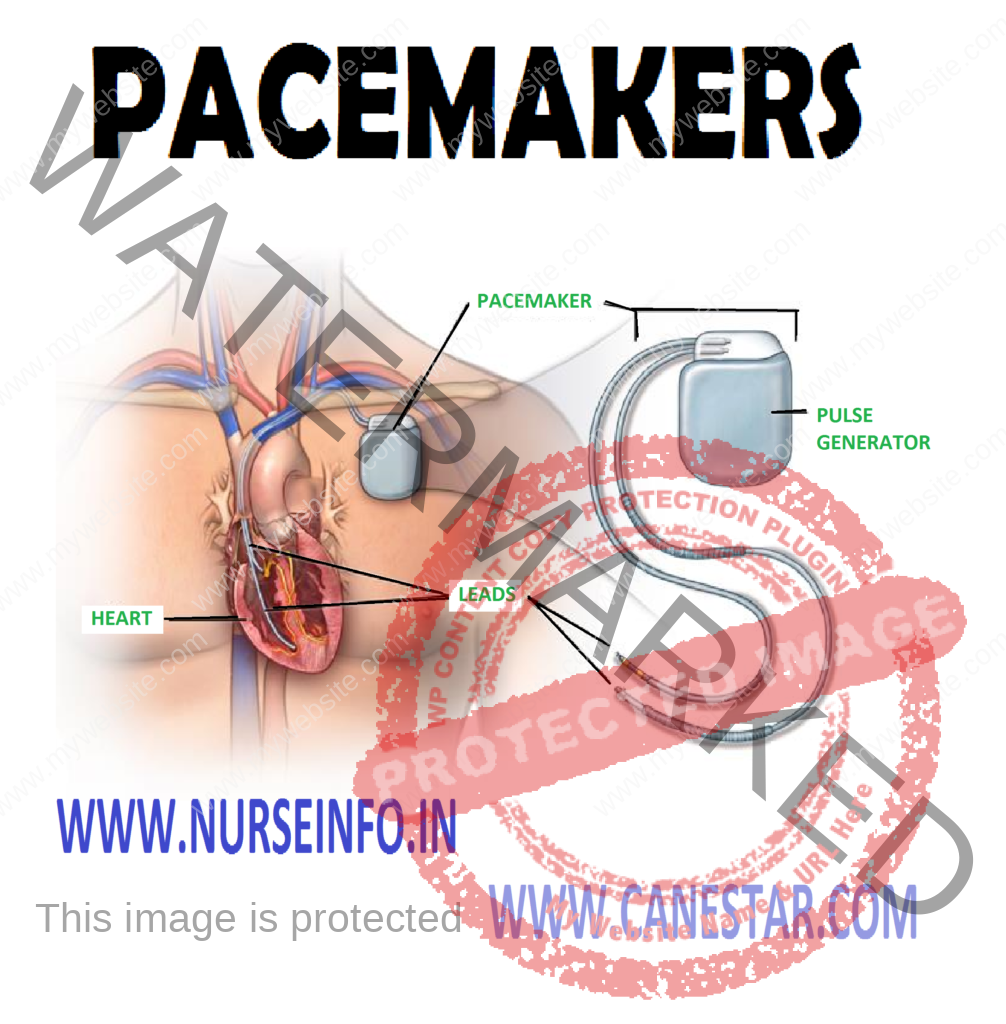
An artificial pacemaker is a mechanical device that electronically stimulates impulse initiation within the heart. The artificial pacing system consists of a pulse generator and a pacing wire that delivers the stimulus to the heart to control rate. The pacing unit initiates and maintains the heart rate when the natural pacemakers of the heart are unable to do so. The purpose of artificial pacing is to control the heart rate.

Pacemakers are primarily used to treat cardiac defects in which the catheter is placed in the atria, ventricle or both to ensure adequate depolarization by the site of impulse blockage. These devices are also employed to remedy inadequate impulse initiation by the SA node and to suppress myocardial irritability that does not respond to antiarrhythmic therapy. In these instances, the catheter may be placed in the atrium.

COMPONENTS OF PACEMAKERS

Pulse Generator

Battery cells power pulse generator. Lithium batteries lasting 6 years or more are used in most pacemakers. Nuclear powered pacemakers (Plutonium 238 source) can last 20 years or more. Other pacemakers can have their batteries recharged; externally when the generator battery fails the implantable unit that contains the batteries must be replaced surgically.

The pulse generator has several controls. They are energy output, heart rate and pacing mode.

Energy output refers to the intensity of the electrical impulse delivered by the pulse generator to the myocardium. The amount of output is measured in milliamperes (MA). The MA setting is regulated by the physician at the time of pacemaker insertion and is set at the lowest level that will produce depolarization. A setting of 1.5 MA usually is sufficient to cause depolarization.

Heart rate: heart rate is set according to the desired therapeutic aim and the clinical condition of the patient. Heart rate is usually set at 70-80 beats/minute. If the purpose of pacemaker is to suppress dysrhythmia the rate usually is set higher often 100-120 beats/minute

Mode of Pacing

There are two modes of artificial pacing – Fixed mode and demand mode. In the fixed rate mode, the pacemaker fires electrical stimuli at a preset rate regardless of the person’s inherent rhythm. Asynchronous pacing is rarely used.

The most popular mode is demand or standby. The electrode at the tip of the pacing wires able to sense the person’s heart beats. The pacemaker produces a stimulus only when the persons own heart rate drops below the rate per minute preset on the generator by the physician.

Temporary pacemakers are limited to atrial or ventricular stimulation.

Types of Pacemakers

  1. Temporary pacemakers
  2. Permanent pacemakers

Depending on the place of action:

  1. Stimulation of venticules only:

QRS inhibited demand pacing

P wave triggered ventricular pacing

  • Stimulation of atria only required the presence of a normal conduction system
  • Stimulation of both atria and ventricles

INDICATIONS FOR ARTIFICIAL PACEMAKERS

  • Adams Strokes Attack (Syncope secondary to third degree AV block)
  • Third degree AV Block with slow ventricular rate
  • Acute myocardial infarction with Mobitz AV block
  • Right bundle branch block plus left anterior hemi block or left posterior hemi block (particularly Acute MI)
  • New left bundle branch block associated with acute MI
  • Symptomatic sinus bradycardia unresponsive to medical therapy
  • Atrial fibrillation with slow ventricular rate in the patient who requires digitalis therapy
  • Carotid sinus syncope
  • Suppression of dysrhythmias (atrial or ventricular tachydysrhythmias)
  • Dysrhythmias occurring during or after cardiac surgery
  • Sick sinus syndrome
  • Prophylaxis before surgery in patients with history of cardiac arrest or AV blocks

TEMPORARY INTRODUCTION SITES

  • Subclavian vein
  • Antecubital vein
  • Jugular vein
PACEMAKERS - Components of Pacemakers, Indications for Artificial Pacemakers and Temporary Introduction Sites
PACEMAKERS – Components of Pacemakers, Indications for Artificial Pacemakers and Temporary Introduction Sites

CARDIAC DEFIBRILLATION

CARDIAC DEFIBRILLATION – Types, General Instructions and Post-defibrillation Care

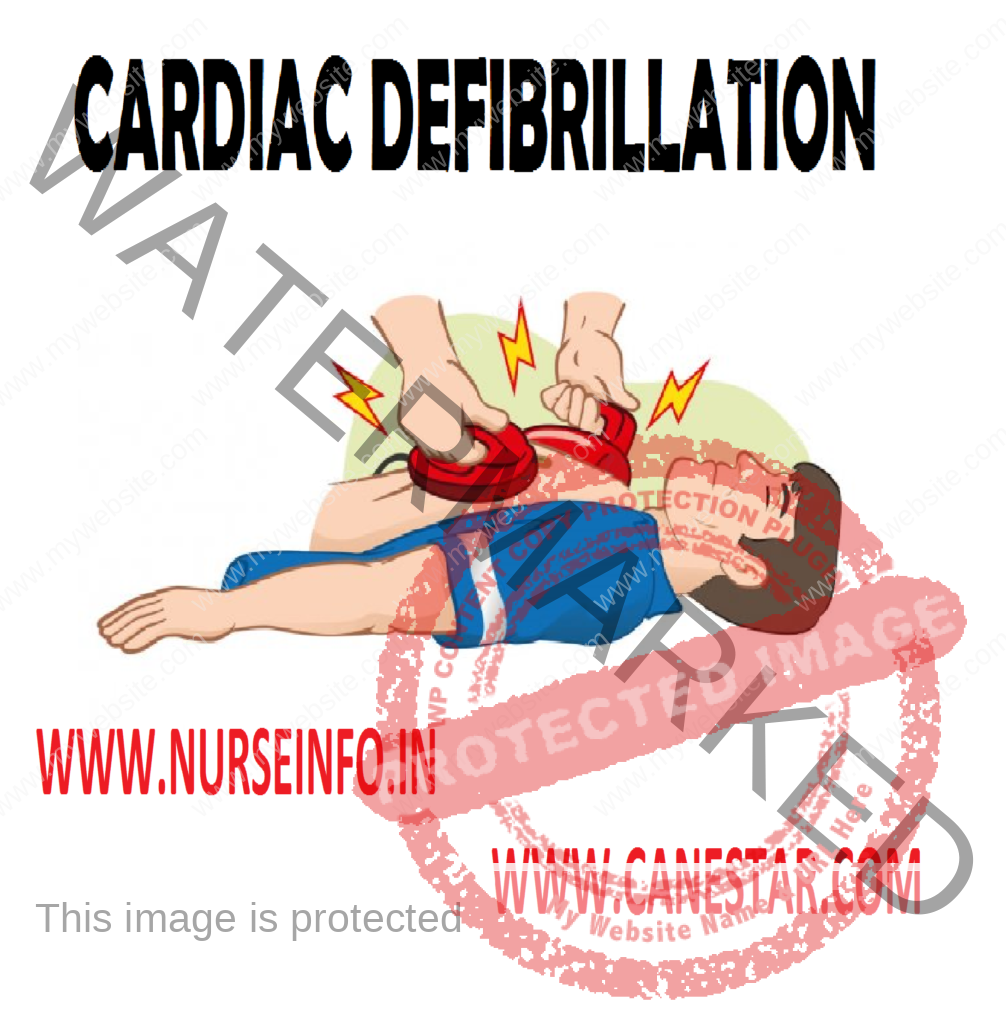
Defibrillator is an emergency resuscitative procedure in which therapeutic doses of high energy electrical shocks are given to patients to restore heart beat in cardiac arrest for pulse less ventricular tachycardia. They can be administered at any time in the cardiac cycle.

PURPOSE

To treat lethal arrhythmias such as ventricular tachycardia (VT) and ventricular fibrillation (VF)

TYPES OF DEFIBRILLATORS

Automated external defibrillators generally found in public places like airports, bus station, railway stations, offices, etc. are designed to analyze the disturbed heart rate and administer shocks accordingly. These can be operated by untrained personnel and cannot be manually overridden. The only drawback is that they take around 10-20 seconds to analyze the rhythm which can be critical.

Semi-automated external defibrillators are similar except that they can be controlled manually when operated by a trained paramedic. They can pace that heart rate. These machines have an ECG display which helps in resuscitation.

Internal defibrillators are seen in the operation rooms where they are used to restore heart beat during an open heart surgery. The paddles are placed above and below the heart and the shock is given.

Automatic internal cardiac defibrillator (AICD) is implanted under the skin in the chest area. They constantly monitor the rhythm of the heart. Upon sensing any irregularities in the rhythm, it immediately sends shocks to the heart muscles and restores normal heart rate.

GENERAL INSTRUCTIONS

Prevent potential complications while using defibrillator such as:

  • Burns to the patient
  • Shock to operator/other personnel
  • Fire/sparks
  • Arrhythmias
  • Ineffective shock

EQUIPMENT

  • Fibrillator unit
  • Oxygen and suction source
  • Emergency resuscitation equipment such as Ambu bag and mask, articles for endotracheal intubation
  • Oxygen face mask, conduction jelly
  • Tissue papers roll or rag pieces

PROCEDURE

Pre-defibrillation care (Preparation defibrillation)

  • Explain procedure if patient is conscious
  • Position in supine without any pillow for head
  • Confirm ventricular tachycardia or ventricular fibrillation by checking patient’s clinical condition
  • Ensure “synchronize” mode is off
  • Apply adequate gel to paddies and place on chest
  • Keep one paddle anteriorly at 2nd intercostals space right of sternum and another paddle laterally at 5th intercostals space to left of sternum at mid-axillary line or at cardiac apex. Ensure there is 10 cm distances between paddles.
  • Select energy setting according to patient’s weight, height and level of consciousness.
  • Check cardiac monitor, if life-threatening arrhythmia is still present, charge-defibrillator
  • Look around and ensure no one is in contact with patient or bed
  • Loudly announce “stand clear/all clear” and alert other health team members
  • Discontinue oxygen inhalation to prevent fire hazards
  • Defibrillate by pressing discharge buttons on both paddles simultaneously. Apply 20 to 25 pounds  (10-12 kg) of pressure on each paddle
  • Reassess cardiac monitor to determine rhythm and subsequent action while paddles are still on chest
  • If VF/VT is still present, reset and increase energy at 200-300 joules and deliver
  • If VF/VT is not revered, deliver 360 joules and reassess cardiac rhythm
  • When VF/VT persist, administer emergency drugs, e.g. injection adrenaline and atropine and give CPR for one minute
  • Repeat defibrillation at 360 joules for 3 times as ordered
  • Discontinue procedure
  • Clean and replace paddles for next use

The following steps are mandatory for defibrillation:

A defibrillator is one part of standard emergency equipment available. There are many different models of defibrillators. The nurse should be familiar with the operation of the type of defibrillation that is used in the critical care unit

  • CPR should be in progress if the defibrillator is not immediately available
  • The defibrillator should be turned on and the proper energy level should be selected
  • Synchronizer switch  is turned off
  • Conductive material in the form of saline pads, electrode, gel or defibrillator gel pads are applied to the chest, where defibrillator paddles are placed. This helps to prevent burns.
  • The paddles are placed on the chest wall at the third intercostals space to the right of the fifth intercostals space on the left mid-axillary line. The operator calls “all clear”, to ensure that personnel are not touching the patient or bed at the time of discharge. The defibrillator is then discharged by depressing buttons on both paddles simultaneously

POST-DEFIBRILLATION CARE

  • Assess patient responsiveness/sensorium
  • Check airway/breathing and circulation
  • Monitor cardiac rhythm continuously and assess vital signs including BP half hourly until stable
  • Maintain oxygenation
  • Detect arrhythmias and side-effects of drugs used during emergency
  • Provide comfort and psychological support to patient and family
  • Administer analgesic as ordered if patient experiences pain over defibrillation site
  • Document joules, number of shocks and response of patient
  • If defibrillation is unsuccessful, explain situation to family with the help of doctor
CARDIAC DEFIBRILLATION - Purpose, Equipment, Procedure, Types, Instructions, After care
CARDIAC DEFIBRILLATION – Purpose, Equipment, Procedure, Types, Instructions, After care

CARDIOVERSION

CARDIOVERSION – Definition and Types

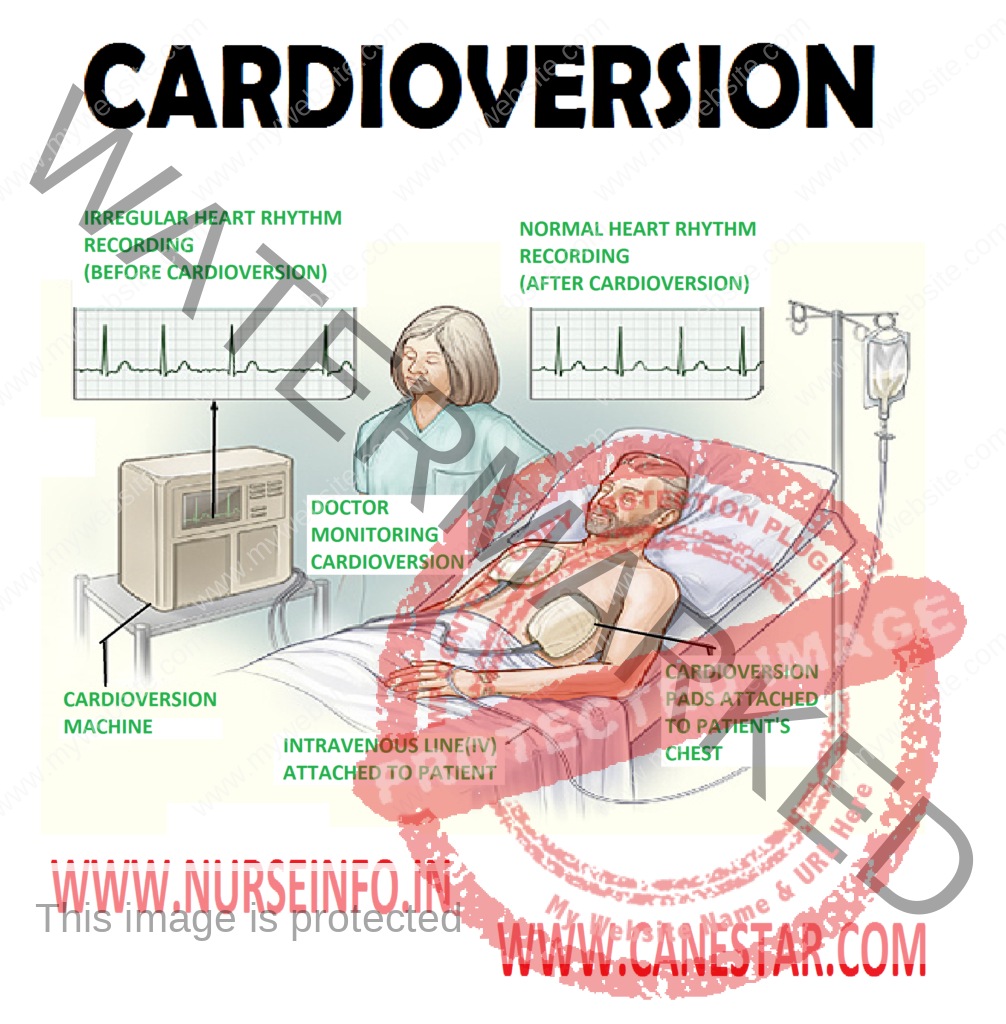
Cardioversion is the use of electrical energy to convert a cardiac dysrhythmia, other than ventricular fibrillation, to one that is more hemodynamically stable, preferably a sinus rhythm. Defibrillation generally applies to unsynchronized electrical counter shock during a ventricular fibrillation. It is most effective when the myocardial cells are not anoxic or acidotic. Therefore, defibrillation should ideally be performed within 15-20 seconds of the onset of dysrhythmia. Defibrillation is accomplished by the passage of direct current (DC) electrical shock through the heart that is sufficient to depolarize the cells of the myocardium.

DEFINITION

Cardioversion is a medical intervention used to normalize an abnormal heart rate that occurs in atrial flutter, atrial fibrillation or ventricular tachycardia. In these conditions, the heart rate exceeds 100 bpm and is irregular. The condition can be episodic and indicates an underlying heart condition such as hypertension, cardiomyopathy, etc

The subsequent repolarization of myocardial cells will allow the SA node to resume the role of the pacemaker. The output of the defibrillator is quantified in joules or watts per second. The recommended energy for initial shock defibrillation is 200 joules with a second shock of 200-300 joules if defibrillation unsuccessful. High doses of electricity damage thus the lowest effective output is the one with which to start.

CARDIOVERSION TYPES

Electrical cardioversion refers to administration of therapeutic dosage of electric current in a specific moment of the cardiac cycle. The timing is important to avoid ventricular tachycardia. This is a scheduled procedure performed on an out-patient basis on patient who has a history of episodic atrial flutter or atrial fibrillations. Electric current is administered using pads that are placed on the chest or on the chest and back. They are held in place with the help of saline based gel. The cables are connected to machine that generates shocks and displays the cardiac rhythm. The patient is given sedatives to make the entire procedure more tolerable. Electrical cardioversion can at times be used as a lifesaving intervention in emergencies like ventricular tachycardia.

Pharmacological cardioversion entails the use of antiarrhythmic drugs to restore normal heart rate. Sodium channel blockers, beta blockers, potassium channel blockers or calcium channel blockers are the drugs used. All these drugs act to reduce the conductivity of the heart muscle which in turn reduces the heart rate. This is a good alternate in patients with fibrillation of recent onset.

CARDIOVERSION -  Definition and Types
CARDIOVERSION – Definition and Types

ADVANCED CARDIAC LIFE SUPPORT

ADVANCED CARDIAC LIFE SUPPORT – Airway and Ventilatory Support, Electrocardiographic Monitoring, Correction of Acidosis and Fluid Replacement, Termination of Cardiopulmonary Resuscitation and Drugs in Advanced Cardiac Life Support

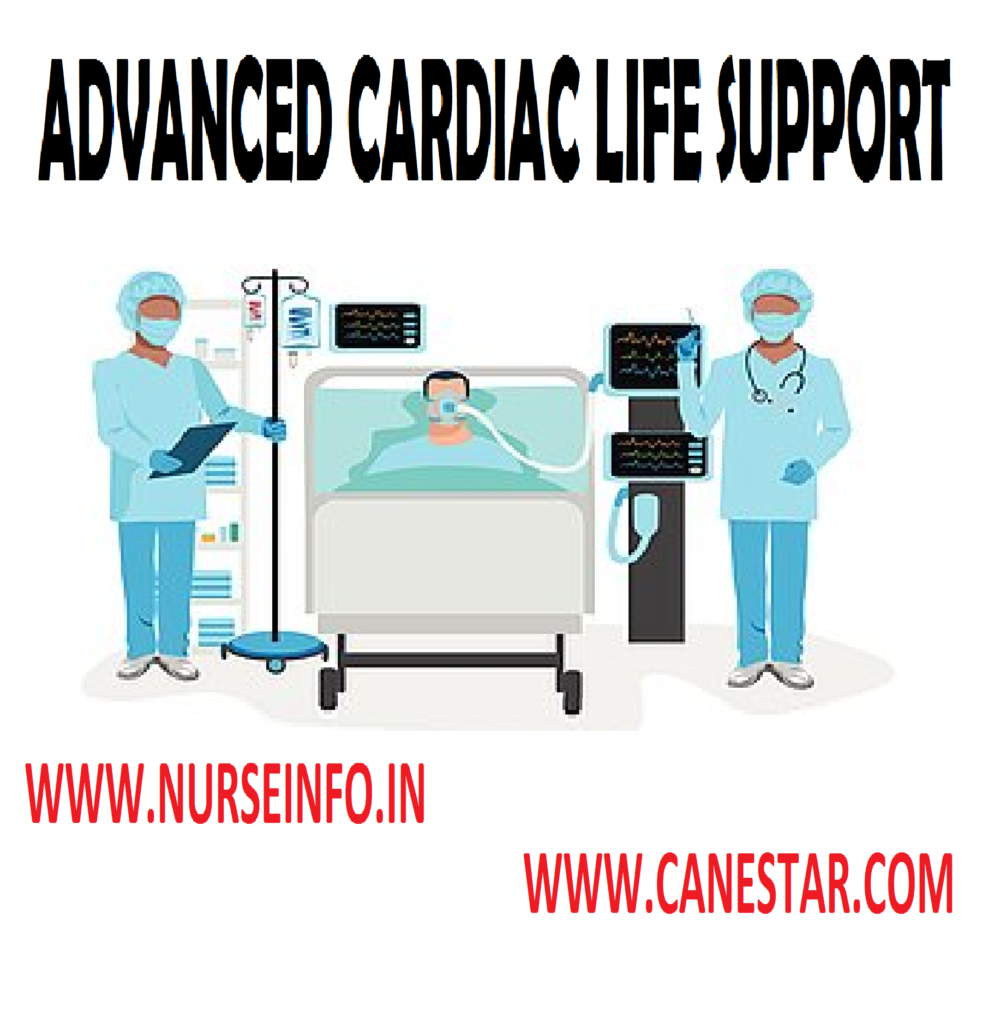
The provision of basic life support-airway maintenance, ventilatory assistance, and external chest compression is the first step toward facilitating survival for the victim of cardiopulmonary arrest.

AIRWAY AND VENTILATORY SUPPORT

  • Oxygenation: essential aspect of resuscitation is to achieve optimal ventilation and oxygenation. Although artificial ventilation provides a normal partial pressure of oxygen, there is arterial hypoxemia because of diminished cardiac output, intrapulmonary shunting and ventilation perfusion mismatch which can be corrected with supplementary oxygen
  • Airway adjuncts: there is a possibility of continued soft tissue obstruction which can be relieved by oropharyngeal and nasopharyngeal airway. Oral airway must be of proper size and positioned so that the patients tongue is completely encircled by the airway.
  • Masks: a well-fitting mask can be used to supply higher concentration of oxygen through an oxygen insufflation inlet.
  • Ventilation circuits: if the patient’s spontaneous ventilation is inadequate assistance is provided using manual ventilating unit. There are two types of manual resuscitators which are self-refilling units are referred as bag mark devices or Ambu bags. The nonself-refilling Magill circuit with 1 piece circuit
  • Endotracheal intubation: in most of the cardiopulmonary arrests ventilation can be achieved by simple airway restoration. Endotracheal intubation should be attempted by experienced person when all the equipment is ready. After placing the endotracheal tube in place good airway control is possible, with better regulation of FiO2, airway pressure and ventilatory pattern is offered. Ventilation and tube function is to be monitored closely as there is danger of blocked or malfunctioning endotracheal tube.
  • Support of circulation: chest compressions during advanced cardiac life support are performed in the same manner as Basic Life Support.

ELECTROCARDIOGRAPHIC MONITORING

  • ECG monitoring is essential during resuscitation. Many defibrillators have the built in ECG monitoring circuit and quick look paddles. Such units sense, the patient ECG pattern from the defibrillator paddle upon application and display. For continuous monitoring, standard ECG machine or monitoring unit with display screen is used
  • Defibrillation: in ventricular fibrillation, a precordial thumb is employed by giving a sternum to a height of 8-12 inches. If this reverts, the rhythm to sinus bolus lidocaine is given. If ventricular fibrillation persists proceed to Basic Life Support and defibrillation
  • Electrical defibrillation: electrical defibrillation involves passing an electrical current through a fibrillating heart allowing for uniform depolarization and organized cardiac electromechanical activity.  To use the defibrillator effectively apply conductive jelly to the paddles and apply to the chest to determine rhythm. Select the energy level marked in Joules (100-300). Place the paddles on the chest in appropriate locations. Make sure that personnel are not in contact with patient or the cot. Evaluate the effectiveness and administer epinephrine and sodium bicarbonate device.

CORRECTION OF ACIDOSIS AND FLUID REPLACEMENT

It is necessary to have a proper venous access for correction of acidosis administration of other drugs and fluid replacement. Peripheral veins are conveniently used during arrest but in case of vasoconstriction and venous collapse, central venous cannulation should be attempted making sure that it does not interfere with resuscitative efforts.

Correction of acidosis should be attempted if the arrest is continued for few minutes. Acidosis can be respiratory acidosis which results from failure of carbon dioxide elimination. Carbon dioxide production is continuous but the gas cannot be removed because of pulmonary and cardiac failure. PaCO2 rises and PO2 lowers. Metabolic acidosis develops with tissue hypoperfusion occurs. Blood gas shows an acid pH. It is due to reduction in the (HCO3) which is associated with an equivalent rise in chloride leaving the anion gap unchanged or the fall in (HCO3) which is accompanied by equivalent rise in anion gap.

By ensuring adequate alveolar ventilation carbon dioxide removal can be achieved and residual metabolic acidosis corrected by the administration of sodium bicarbonate. The actual amount of bicarbonate required in each case is determined on the basis of blood gas results that are the patient’s base deficit. Sodium bicarbonate is used sparingly as against the earlier practice because major part of metabolic acidosis can be corrected by adequate alveolar ventilation. The initial dose of sodium bicarbonate is 1mEq/kg which is given slowly. Further administration should be guided by blood gas determination. Formula  could be used – 0.3 multiply wt (kg) multiply based deficit. If blood gas result is not available half of the initial dose every 10-15 minutes is appropriate

Volume replacement: isotonic crystalloid is the best for rapid expansion of circulatory blood volume. Collapsed jugular and peripheral veins, dryness of mucous membranes, absence of normal secretions, and peripheral vasoconstriction with appropriate history suggest dehydration and volume deficit.

Volume replacement should be attempted and restored until cardiac function is restored. It can be initiated with ringer lactate or normal saline. If the quantity of fluid is required in excess of 1-2 liters for adults, colloids is added. Volume infusion can be guided by central venous pressure and pulmonary capillary wedge pressure.

DRUGS IN ADVANCED CARDIAC LIFE SUPPORT

Drugs

  1. Oxygen
  2. Adrenaline

Pharmacological Effects: correction of hypoxia. 1. Elevates blood pressure. 2. Stimulates cardiac contraction

Indications for use: respiratory and cardiac arrest from any cause. 1. Ventricular fibrillation 2. Asystole 3. Electromagnetic dissociation

  • Sodium bicarbonate (NaHCO3)
  • Calcium chloride/calcium gluconate

Pharmacological effects: for correction of metabolic acidosis. Stimulates spontaneous contraction

Indications for use: prolonged cardiac arrest (10-15 minutes) 1. Asystole 2. Electromechanical transfusion 3. Massive blood transfusion

  • Xylocaine

Pharmacological Effects: suppressive ventricular arrhythmias

Indications for use: 1. Ventricular tachycardia 2. Recurrent/refractory ventricular fibrillation 3. Prophylaxis in patients of myocardial infarction

  • Bretylium tosylate

Pharmacological Effects: suppresses ventricular arrhythmias

  • Atropine

Pharmacological Effects: accelerates cardiac rate

  • Isoproterenol

Pharmacological Effects: 1. Stimulates spontaneous contraction 2. Accelerates cardiac rate

Indications for use: 1. Third degree heart block/Asystole 2. Electromechanical dissociation

  • Potassium chloride

Pharmacological Effects: correction of hypokalemia

Indications for use: refractory cardiac arrest/ventricular arrhythmia due to hypokalemia

  1. Deriphyllin

Pharmacological Effects: bronchial dilatation

Indications for use: Bronchospasm due to secretion or bronchial asthma/COPD

  1. Hydrocortisone

Pharmacological Effects: 1. Suppresses anoxic tissue damage 2. Membrane stabilizer 3. Protects against circulating toxins 4. Suppression of harmful inflammation

Indications for use: 1. shock-hypovolemic, anaphylactic 2. Bronchial asthma (acute)  3. Hemolysis 4. Decreases intracranial pressure 5. Acute adrenal insufficiency

TERMINATION OF CARDIOPULMONARY RESUSCITATION

It is difficult to decide to terminate unsuccessful resuscitative efforts. Inability to restore adequate cardiovascular function is the basis of the decision. Most definitive signs which act as a guideline are absence of reactive pupils, lack of spontaneous activity and response to deep pain and absent brainstem reflexes. Family of the patient should receive high priority in making the decisions of terminating the life support.

Post-resuscitation support: in case of a successful resuscitation, post-resuscitation support plays an important role in deciding the final outcome. Transition from emergency service to critical care unit need to be carried out smoothly. A thorough assessment and examination should be carried out. Diagnostic studies required further should be completed. Ventilatory support is continued at optimal level. Cardiac support with minimal cardiac work is maintained with appropriate drugs.

Transportation is arranged only after proper stabilization and critical care unit is ready to receive the patient. Patient should be accompanied by a nurse and a physician with adequate equipment. Portable ventilators are available which can be used while transferring the patient from emergency unit to critical care unit. If it is not available Ambu bag with an oxygen source can be used during shifting to provide artificial ventilator.

ADVANCED CARDIAC LIFE SUPPORT – Airway and Ventilatory Support, Electrocardiographic Monitoring, Correction of Acidosis and Fluid Replacement, Termination of Cardiopulmonary Resuscitation and Drugs in Advanced Cardiac Life Support

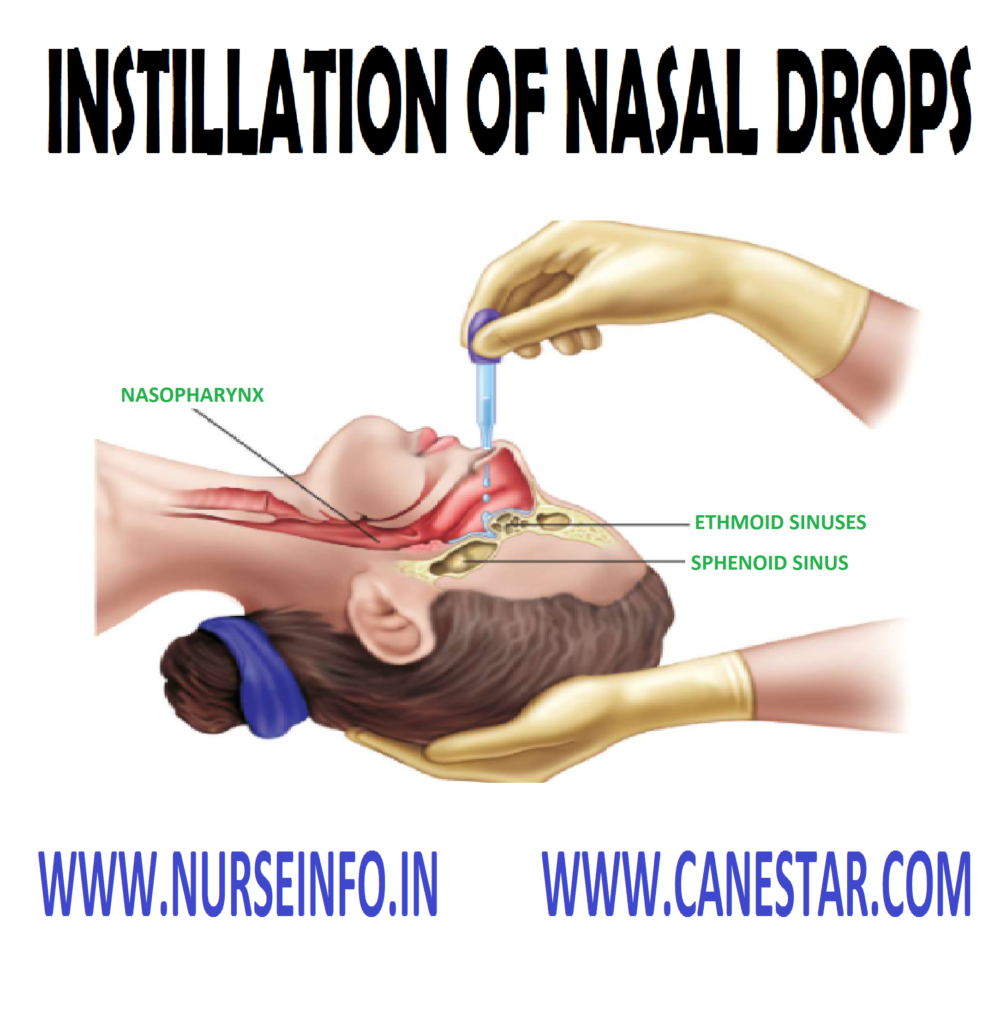
INSTILLATION OF NASAL DROPS

INSTILLING NASAL DROPS

NURSING PROCEDURES LIST CLICK HERE

Instillation of medication into the nose in the form of nasal drops

Purpose

  • To diagnose nasal conditions
  • To relieve inflammation and congestion in case of rhinitis
  • To prevent and control bleeding

General Instructions

  • It is a clean procedure
  • Avoid touching, the tip of nose with dropper since it may contaminate
  • Avoid touching the inner surface of the nose with dropper since it may cause the patient to sneeze
  • Position the patient as necessary to provide medicine flow to the affected area
  • Do not use oily solution as nasal drops since it interferes with the normal ciliary action
  • Do not use of decongestants excessively or frequently as they become ineffective and may actually worsen the patient’s nasal congestion
  • Instruct the patient remain in the same position for sometime following instillation to allow the medicine to act on mucus membrane of anterior nares and then drain into the posterior nares

Equipment

A small tray containing

  • Medicine with rubber tipped dropper
  • Handkerchief or little clean cotton and paper bag

Procedure

  • Hand wash
  • Arrange the articles at the bed side
  • Explain the procedure to the patient
  • Draw up the medicine in dropper
  • Position the patient flat supine with head slightly to the affected side to provide flow to the Eustachian tube
  • Insert the tip of dropper just inside the nares and instill the drops as ordered
  • Ask the patient to remain the position for five minutes and avoid blowing the nose

After Care

  • Place the patient in comfortable position
  • Replace the articles
  • Hand wash
  • Record the procedure in nurse’s record
INSTILLATION OF NASAL DROPS - Purpose, Procedure, After Care, Equipment
INSTILLATION OF NASAL DROPS – Purpose, Procedure, After Care, Equipment

INSTILLATION OF EAR DROPS

INSTILLATION OF EAR DROPS

NURSING PROCEDURES LIST CLICK HERE

                Instillation of ear drops into the auditory canal

Purpose

  • To clean the ear
  • To remove the foreign body or wax
  • To relieve inflammation, congestion and pain
  • To kill an insect lodged in the ear
  • To anesthetize

General Instructions

  • Explain the procedure clearly to get patients cooperation
  • The auditory canal should be cleaned before instill the ear drops
  • Drops must be warm, when they are instilled into the ear
  • Hold the pinna of the ear upward and backward in case of adults and in children put it down backward to straighten the external auditory canal
  • Plug the ear with a small cotton ball or a small gauze piece
  • Allow 3 or 4 drops trickle down on one side of the canal so that the air may escape from the auditory canal and medication may reach up on the ear drum
  • Do not ignore any complaint by the patient

Equipment

A small tray containing

  • Medicine with dropper
  • Applicators with cotton tips
  • Normal saline
  • Little cotton
  • Kidney tray and paper bag

Procedure

  • Wash hands and collect the articles and take it to the bedside
  • Explain procedure to the patient
  • Place the patient in supine or sitting position with head to side and the affected ear up
  • Pull the pinna down and back in case of adult and down and back case of infant/child. Rest the other hand on patients head to avoid damaging the ear with dropper if the patient moves
  • Instill the medicine drop by drop directing the flow toward the canal do not allow the dropper to touch the ear
  • Place loose cotton in the outer ear absorbs any excess medicine and keeps the patients head turned to the side for 10 to 15 minutes

After Care

  • Place the patient comfortably
  • Replace the articles
  • Hand wash
  • Record the procedure in nurse’s record sheet
INSTILLATION OF EAR DROPS - Purpose, Instructions, Procedure, After Care, Equipment
INSTILLATION OF EAR DROPS – Purpose, Instructions, Procedure, After Care, Equipment
Nurse Info