Home Blog Page 60

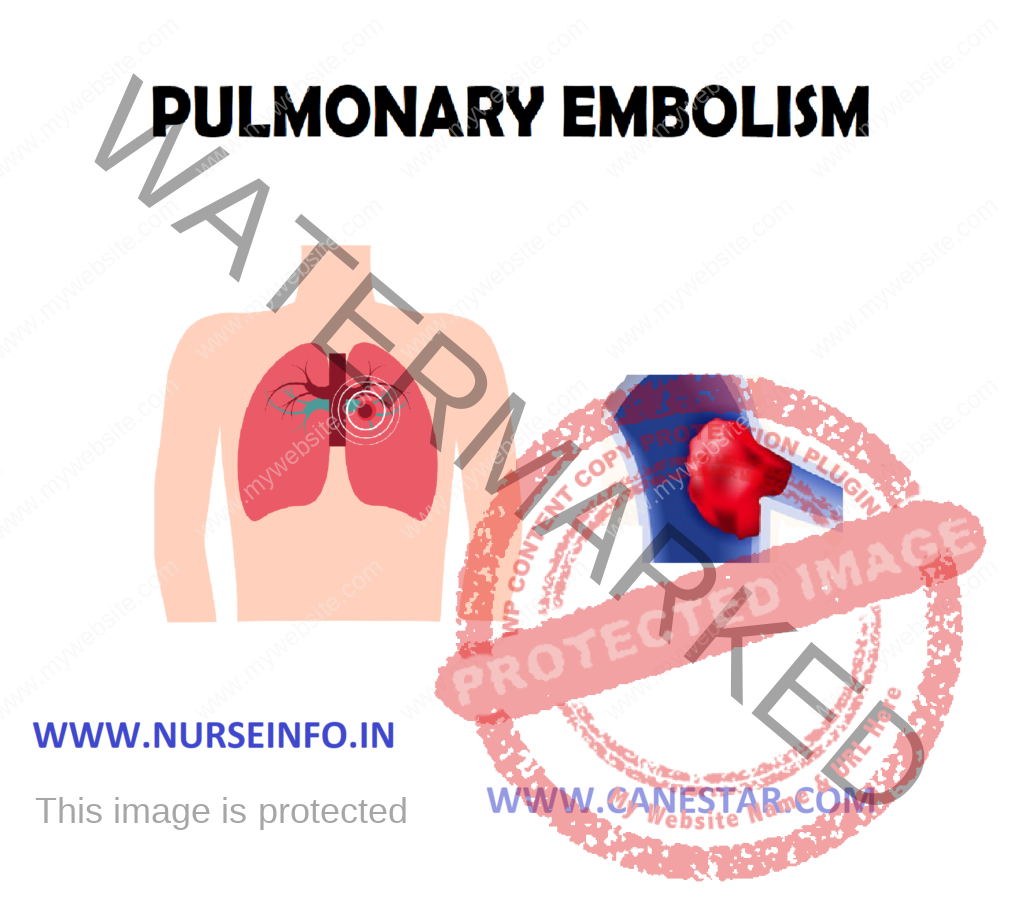
PULMONARY EMBOLISM

PULMONARY EMBOLISM – Etiology, Pathophysiology, Clinical Manifestation, Diagnostic Evaluation, Management and Complication

  • Pulmonary embolism refers to the obstruction of one or more pulmonary arteries, by a thrombus that originates somewhere in the venous system or in the right heart. It may be associated with trauma, surgery, pregnancy CCF, advanced age (above 60 years), and immobility.
  • Pulmonary embolism is defined as an obstruction of one or more pulmonary arteries of the lungs which are blocked, or thrombus that originates somewhere in the venous system or right side of the heart

ETIOLOGY

  • Venous stasis
  • Hypercoagulation
  • Damage to the endothelium of blood vessels

The predisposing factors of pulmonary embolism:

  • Prolonged immobilization
  • Concurrent phlebitis
  • Heart failure, strokes
  • Malignancy
  • Advancing age, estrogen therapy
  • Oral contraceptives
  • Obesity

PATHOPHYSIOLOGY

Emboli gets dislodged in pulmonary circulation —- decreased perfusion of the lungs —- increased pulmonary embolism resistance —- increased in pulmonary artery and venous pressure —- increase in ventricular overload —- right ventricular hypertrophy —- stroke volume and decreased cardiac output —- cardiogenic shock and circulatory failures —- pulmonary vasoconstriction and bronchospasm —- atelectasis

CLINICAL MANIFESTATION

  • Rapid onset of dyspnea at rest, pleuritic chest pain, cough and syncope, delirium, apprehension, tachypnea, diaphoresis, hemoptysis.
  • Chest pain with apprehension and a sense of impending doom occurs when most of the pulmonary artery is obstructed
  • Tachycardia, rales fever, hypotension, cyanosis, heart gallop, loud pulmonic component of S2.
  • Calf and thigh pain, edema, erythema, tenderness or palpable cord

DIAGNOSTIC EVALUATION

  • History-taking
  • Assess for signs and symptoms; blood study
  • Thrombotic imaging; V/Q scan or single photoemission computerized
  • Pulmonary angiography
  • D-Dimer assay for low intermediate probability of pulmonary embolism
  • ABG levels: Decreased PaO2 usually found due to perfusion abnormality of lung
  • Chest X-ray – normal or possible wedge-shaped infiltrate

MANAGEMENT

Assessment

  • Assess the signs and symptoms of pulmonary embolism
  • Assess the vital signs of patient, especially respiration
  • Assess the chest pain intensity
  • Assess for edema and fever
  • Assess the hypotension and cyanosis of the patient

MEDICAL MANAGEMENT

It is focused on anticoagulant to reduce the size of thrombus and maintain the cardiopulmonary stability

  • Anticoagulant: it begins with heparin 5000 IU and warfarin, 2.5 mg/day, as maintained dose regulation upon prothrombin time
  • Thrombolytic therapy: cytokines resolve the thrombus or emboli quickly and restore normal hemodynamic therapy to reducing pulmonary hypertension improving pulmonary perfusion, oxygenation, and cardiac output.
  • Also to improve patient’s respiratory and vascular status:

Oxygenation therapy to correct hypoxia

Venous stasis is reduced by using elastic stoking

Elevating leg for increase venous flow

Hypotension relaxed with fluids

Chest pain and apprehension one treated with analgesics

Surgical Management

When anticoagulation is contraindicated or patient has recurrent embolization or develops serious complication from drug therapy.

  • Interruption of vena cava: reduces channel size to prevent lower extremity from reaching lungs. Accompanied by:

Ligation, placation or clipping of the inferior vena cava

Placement of transversely inserted intraluminal filter inferior vena cava to prevent migration of emboli

  • Embolectomy

Nursing Diagnosis

  • Ineffective breathing pattern related to increase in alveolar dead airspace and possible changes in lung mechanics from embolism
  • Ineffective tissue perfusion (pulmonary) related to decreased blood circulation
  • Acute pain (pleuritic) related to congestion, possible pleural effusion, lung infraction
  • Anxiety related to dyspnea to altered hemodynamic factors and anticoagulant therapy

Nursing Interventions

Improve the Breathing

  • Assess for hypoxia, dyspnea, headache, restlessness, apprehension, pallor, cyanosis, behavioral changes
  • Monitor vital signs, ECG, oximetry and ABG levels for adequacy of oxygenation
  • Monitor patient’s response to IV fluids/vasopressor
  • Monitor oxygen therapy – used to relieve hypoxia
  • Prepare – patient for assisted ventilation does not respond to supplemental oxygen. Hypoxia is due to abnormalities of V/Q mismatch

Improving Tissue Perfusion

  • Closely monitor shock – decreasing BP, tachycardia, cool, clammy skin
  • Monitor prescribed medication given to preserve right-sided heart filling pressure and increase BP
  • Maintain patient on bed rest during acute phase to reduce oxygen demand and risk of bleeding
  • Monitor urinary output hourly because this reduces renal perfusion
  • Antiembolism compression stocking should provide a compression of 30-40 mm Hg.

Relieving Pain

  • Watch patient for sign of discomfort and pain
  • Ascertain if pain worsens with deep breathing and coughing for friction rub
  • Give morphine as prescribed and monitor for pain relief
  • Monitor signs of hypoxia thoroughly when anxiety, restlessness and agitation of new onset are noted

Relieving Anxiety

  • Correct dyspnea and relieve physical discomfort
  • Explain diagnostic procedure and the role and correct the misconception
  • Listen to the patient’s concern; attentive listing relieves anxiety and reduces emotional distress
  • Speak calmly and slowly

COMPLICATIONS

  • Bleeding as a result of treatment
  • Respiratory failure
  • Pulmonary hypertension

Health Education

  • Advice patient for possible need to continue taking anticoagulant  therapy for 6 weeks up to an indefinite period
  • Teaching about sign of bleeding, especially of gum, nose, bruising, blood in urine and stool
  • Instruct patient to tell dentist about taking anticoagulant therapy
  • Warm against inactivity for prolonged periods or sitting with legs crossed to prevent recurrence
  • Warn against support activity that may cause trauma or injury to legs and predispose to thrombus
  • Encourage to wear medic alert bracelet, identifying as an anticoagulant user

PREVENTION

Preventing clots in the deep veins in legs (deep vein thrombosis) will help prevent pulmonary embolism. For this reason, most hospitals are aggressive about taking measures to prevent blood clots:

  • Anticoagulants: anticoagulants are given to people at risk of clots before and after an operation as well as to people admitted to the hospital with a heart attack, stroke or complications of cancer
  • Graduated compression stockings: compression stockings steadily squeeze your legs, helping veins and leg muscles move blood more efficiently. They offer a safe, simple and inexpensive way to keep blood from stagnating after general surgery
  • Pneumatic compression: this treatment uses thigh-high or calf-high cuffs that automatically inflate with air and deflate every few minutes to massage and squeeze the veins in legs and improve blood flow
  • Physical activity: moving as soon as possible after surgery can help prevent pulmonary embolism and hasten recovery overall. This is one of the main reasons nurse may push to get up, even on your day of surgery, and walk despite pain at the site of your surgical incision.
PULMONARY EMBOLISM – Etiology, Pathophysiology, Clinical Manifestation, Diagnostic Evaluation, Management and Complication

PNEUMOTHORAX

PNEUMOTHORAX – Classification, Etiology, Risk Factors, Pathophysiology, Signs and Symptoms, Diagnostic Evaluations and Management

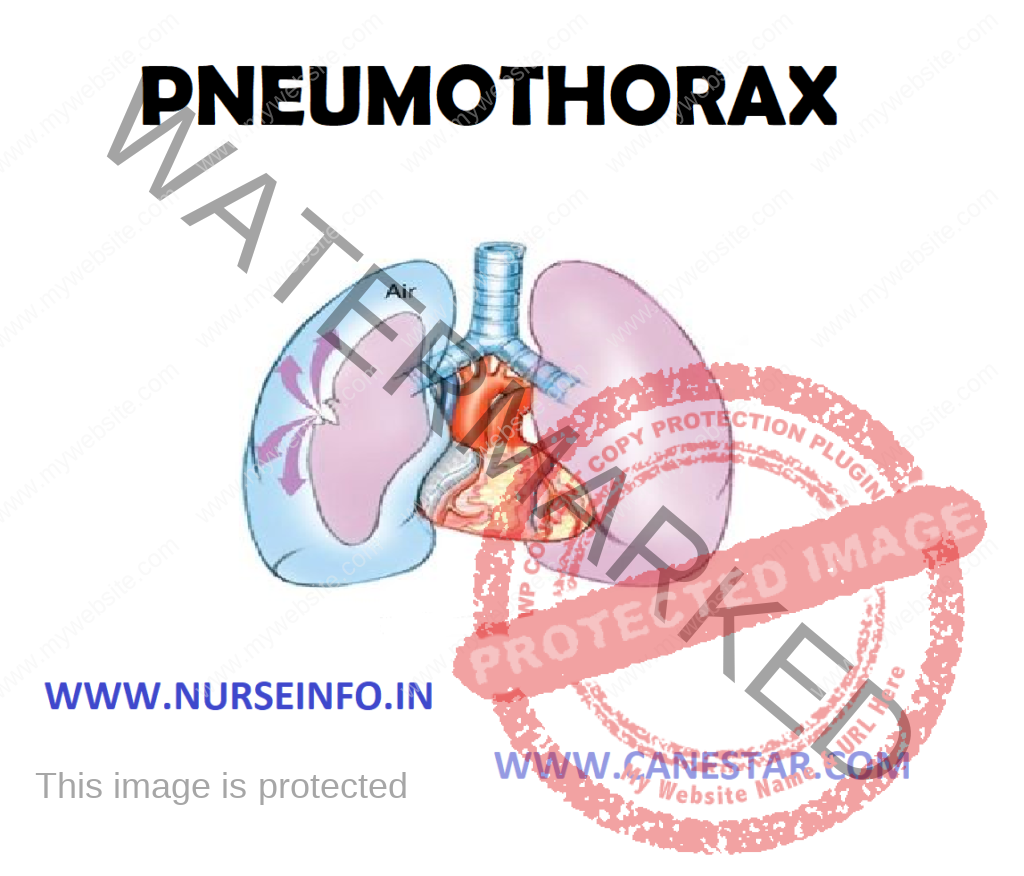
  • Air in the pleural space occurring spontaneously or from trauma. Pneumothorax is the presence of air in the pleural space that prohibits complete lung expansion
  • Pneumothorax is an abnormal collection of air or gas in the pleural space separating the lung from the chest wall which may interfere with normal breathing
  • The lung expansion occurs when the pleural lining of the chest wall and the visceral lining of the lung maintain negative pressure in the pleural space. When the continuity of this system is lost, the lung collapses, resulting in pneumothorax

CLASSIFICATION OF PNEUMOTHORAX

  • Spontaneous pneumothorax: sudden onset of air in the pleural space with deflation of the affected lung in the absence of trauma
  • Open pneumothorax: implies an opening in the chest wall large enough to allow air to pass freely in and out of thoracic cavity with each attempted respiration
  • Tension pneumothorax: build-up of air under pressure in the pleural space resulting in interference with filling of both the heart and lungs

ETIOLOGY

Primary spontaneous: the exact cause of primary spontaneous pneumothorax is unknown

RISK FACTORS

  • Male
  • Smoking
  • Family history
  • Secondary spontaneous pneumothorax occurs in the setting of a variety of lung diseases

In children, additional causes include:

  • Measles
  • Echinococcosis
  • Inhalation of a foreign body
  • Congenital malformations
  • Marfan’s syndrome
  • Homocystinuria
  • Ehlers-Danlos syndrome
  • Alpha 1-antitrypsin deficiency (which leads to emphysema)

PATHOPHYSIOLOGY

  • When there is a large hole in the chest wall, the patient will have a steal in the ventilation of other lung
  • A portion of the tidal volume will move back and forth through the hole in the chest wall, rather than the trachea as it normally does
  • Spontaneous pneumothorax is usually due to rupture of a subpleural bleb
  • May occur secondary to chronic respiratory disease or idiopathically
  • May occur in healthy people,  particularly in thin, white males and those with family history of pneumothorax

SIGNS AND SYMPTOMS

  • Hyperresonance (tympany) to percussion on, diminished breath sounds on affected side
  • Tracheal deviation away from affected side of tension pneumothorax
  • Clinical picture of open or tension pneumothorax is one of air hunger, agitation, hypotension and cyanosis
  • Mild to moderate dyspnea and chest discomfort may be present with spontaneous pneumothorax
  • Tachypnea
  • Asymmetrical chest expansion

DIAGNOSTIC EVALUATION

  • Chest X-ray: chest X-ray of left-sided pneumothorax. The left thoracic cavity is partly filled with air occupying the pleural space. The mediastinum is shifted to the opposite side
  • Computed tomography: computed tomography can be useful in particular situations. In some lung diseases, especially emphysema, it is possible for abnormal lung areas such as bullae (large air-filled sacs) to have the same appearance as a pneumothorax on chest X-ray, and it may not be safe to apply any treatment before the distinction is made and before the exact location and size of the pneumothorax is determined
  • Ultrasound: ultrasound is commonly used in the evaluation of people who have sustained physical trauma. Ultrasound may be more sensitive than chest X-rays in the identification of pneumothorax after blunt trauma to the chest.

MANAGEMENT

Conservative

Oxygen given at a high flow rate may accelerate resorption as much as fourfold

Aspiration

Aspiration is equally effective as the insertion of a chest tube. This involves the administration of local anesthetic and inserting a needle connected to a three-way tap, up to 2.5 liters of air (in adults) are removed. If there has been significant reduction in the size of pneumothorax on subsequent X-ray, the remainder of the treatment can be conservative.

Chest Tube

A chest tube (or intercostals drain) is the most definitive initial treatment of pneumothorax. These are typically inserted in an area under the axilla called the ‘safe triangle’, where damage to internal organs can be avoided. This is delineated by a horizontal line at the level of the nipple and two muscles of the chest wall (latissimus dorsi and pectoralis major). Local anesthetic is applied. Two types of tubes may be used. In spontaneous pneumothorax, small-bore (smaller than 14 F, 4.7 mm diameter) tubes may be inserted by the Seldinger technique, and larger tubes do not have an advantage. In traumatic pneumothorax, larger tubes (28F, 9.3 mm) are used.

Surgical Management

  • Pleurodesis and surgery
  • Pleurodesis is a procedure that permanently obliterates the pleural space and attaches the lung to the chest wall
  • Thoracotomy (surgical opening of the chest), with identification of any source of air leakage and stapling of blebs
  • Pleurectomy (stripping of the pleural lining) of the outer pleural layer and pleural abrasion (scraping of the pleura) of the inner layer
PNEUMOTHORAX - Classification, Etiology, Risk Factors, Pathophysiology, Signs and Symptoms, Diagnostic Evaluations and Management

PNEUMOTHORAX – Classification, Etiology, Risk Factors, Pathophysiology, Signs and Symptoms, Diagnostic Evaluations and Management

SILICOSIS

SILICOSIS – Classification, Etiology, Risk Factors, Pathophysiology, Signs and Symptoms, Diagnostic Test, Treatment and Prevention

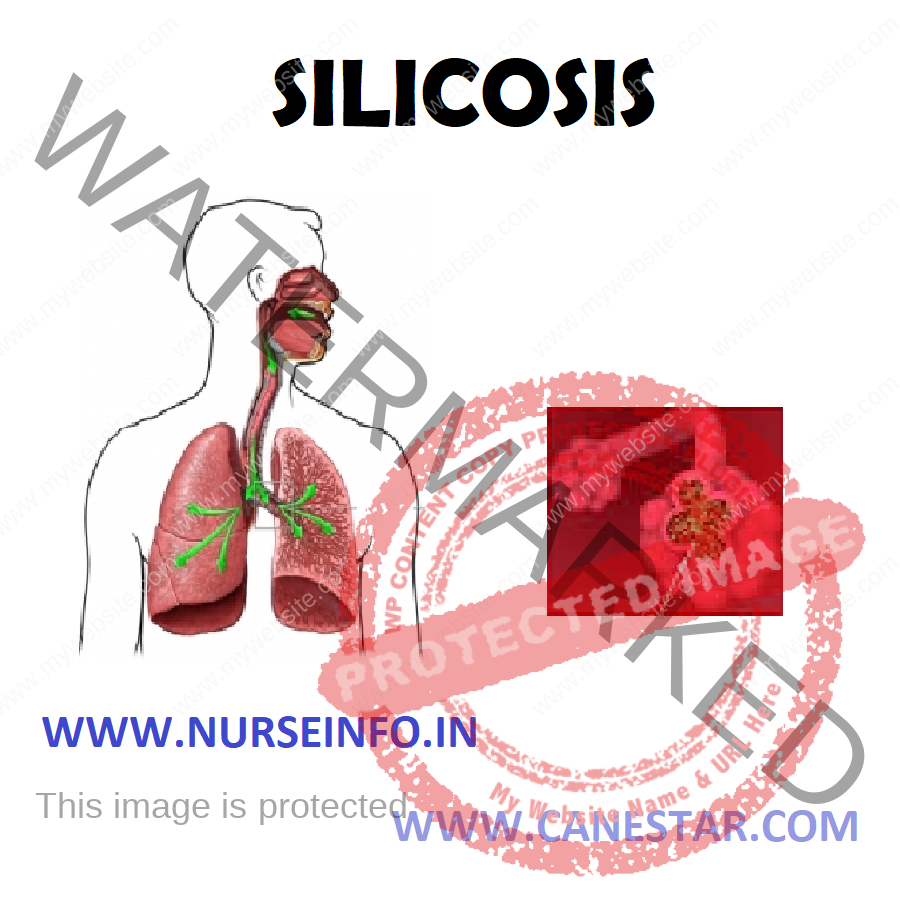
Silicosis is a chronic lung disease caused by breathing in tiny bits of silica dust. When people breathe silica dust, they inhale tiny particles of silica that are crystallized. This silica dust can cause buildup and scar tissue in the lungs that cuts down your ability to breathe.

SILICA

  • Crystalline silica exists in 7 different forms (polymorphs), depending upon the temperature of formation. The main 3 polymorphs are quartz, cristobalite, and tridymite.
  • Microcrystalline silica consists of minute quartz crystals bonded together with amorphous silica. Examples include flint and chert
  • Amorphous silica consists of kieselgur (diatomite) from the skeletons of diatoms, and vitreous silica, produced by heating and then rapid cooling of crystalline silica. Amorphous silica is less toxic than crystalline, but not biologically inert, and diatomite, when heated, can convert to tridymite or cristobalite

CLASSIFICATION OF SILICOSIS

There are three types of silicosis:

  • Chronic silicosis: the most common type of silicosis usually occurs after 10 or more years of exposure to crystalline silica at low levels. This is the most common type of silicosis. Patients with this type of silicosis may not have obvious signs or symptoms of disease, but abnormalities may be detected by X-ray, chronic cough and excretion dyspnea are common findings. Radiographically, chronic simple silicosis reveals a profusion of small (< 10 mm in diameter) opacities, typically rounded, and predominating in the upper lung zones.
  • Accelerated silicosis: it occurs 5 to 10 years after exposure and is caused by exposure to higher levels of crystalline silica. Symptoms and X-ray findings are similar to chronic simple silicosis, but occur earlier and tend to progress more rapidly. Patients with accelerated silicosis are at greater risk for complicated disease, including progressive massive fibrosis (PMF)
  • Acute silicosis: it can occur after only weeks or months of exposure to very high levels of crystalline silica. Acute silicosis progresses rapidly and can be fatal within months. Symptoms of acute silicosis include more rapid onset of severe disabling shortness of breath, cough, weakness, and weight loss, often leading to death. The X-ray usually reveals a diffuse alveolar filling with air bronchograms, described as a ground-glass appearance, and similar to pneumonia, pulmonary edema, alveolar hemorrhage and alveolar cell lung cancer.

ETIOLOGY

Silica is a common, naturally occurring crystal. It is found in most rock beds and forms dust during mining, quarrying, tunneling, and working with many metal ores. Silica is a main part of sand, so glass workers and sand-blasters are also exposed to silica.

RISK FACTORS

People who work in jobs where they are exposed to silica dust are at risk. These jobs include:

  • Glass manufacturing
  • Mining
  • Quarrying
  • Stone cutting
  • Highway and bridge construction, and repair
  • Building construction, demolition and repair
  • Abrasive blasting
  • Masonry work
  • Concrete finishing
  • Drywall finishing
  • Rock drilling
  • Sand and gravel screening
  • Rock crushing (for road base)

PATHOPHYSIOLOGY

When small silica dust particles are inhaled —- they can embed themselves deeply into the tiny alveolar sacs and ducts in the lungs, where oxygen and carbon dioxide gases are exchanged —- the lungs cannot clear out the dust by mucus or coughing —- when the particles of silica dust are deposited in the lungs —- macrophages that ingest the dust particles will set off an inflammation response by releasing tumor necrosis factors, interleukin-1, leukotriene B4 and other cytokines —- in turn, these stimulate fibroblasts to proliferate and produce collagen around the silica particle —- thus resulting in fibrosis and the formation of the nodular lesions —- nodular silicosis consists of fibrotic nodules with concentric ‘onion skinned’ arrangement of collagen fibers, central hyalinization, and a cellular peripheral zone

SIGNS AND SYMPTOMS

  • Dyspnea (shortness of breath) exacerbated by exertion
  • Cough, often persistent and sometimes severe
  • Fatigue
  • Tachypnea (rapid breathing) which is often labored
  • Loss of appetite and weight loss
  • Chest pain
  • Fever
  • Gradual dark shallow rifts in nails eventually leading to cracks as protein fibers within nail beds are destroyed

In advanced cases, the following may also occur:

  • Cyanosis (blue skin)
  • Cor pulmonale (right ventricle heart disease)
  • Respiratory insufficiency

DIAGNOSTIC TEST

  • Chest X-ray
  • Chest CT scan
  • Pulmonary function tests
  • Purified protein derivative (PPD) skin test (for tuberculosis)
  • Serologic tests for connective tissue diseases

TREATMENT

  • Stopping further exposure to silica and other lung irritants, including tobacco smoking
  • Cough suppressants
  • Antibiotics for bacterial lung infection
  • TB prophylaxis for whose with positive tuberculin skin test or IGRA blood test
  • Prolonged anti-tuberculosis (multi-drug regimen) for those with active TB
  • Chest physiotherapy to help the bronchial drainage of mucus
  • Oxygen administration to treat hypoxemia, if present
  • Bronchodilators to facilitate breathing
  • Lung transplantation to replace the damaged lung tissue is the most effective treatment, but is associated with severe risks of its own
  • For acute silicosis, bronchoalveolar lavage may alleviate symptoms, but does not decrease overall mortality

Experimental Treatments

  • Inhalation of powdered aluminium, d-penicillamine and polyvinyl pyridine
  • Corticosteroid therapy
  • The herbal extract tetrandrine may slow progression of silicosis

PREVENTION

Specific steps to take while you are at work:

  • Avoid working in dust whenever possible
  • Know what causes silica dust at your workplace
  • Even if you cannot see dust, you can still be at risk from silica
  • If there is visible dust, you are almost definitely at risk
  • Use water sprays and ventilation when working in confined structures, to lower the amount of dust, including:

Use a water hose to wet dust before it becomes airborne

Use saws that add water to the blade

Use drills that add water through the stem or have dust collection systems

Use blast cleaning machines or cabinets to control dust

If you use a tight-fitting respirator for your particular work, you cannot have a beard or mustache. Beards and mustaches keep the respirator from sealing to your face.

Go to lung screenings and other health programs offered at work

  • Practice good personal hygiene at the workplace

Do not eat, drink, or use tobacco products in dusty areas

If you smoke, do not smoke in dusty areas, and always wash your hands and face outside dusty areas before smoking. Make a plan to quit as soon as you are ready – smoking always makes lung disease worse

Wash hands and face outside dusty areas before eating or drinking

Park your car in an area where it would not be contaminated with silica

At work, change into disposable or washable work clothes

If possible, shower and change into clean clothes before leaving the work site. This will prevent you from bringing silica into other work areas, your car and your home and exposing your family and other people to silica

Always remember that when you wear dusty clothing in your car, at home or anywhere outside of your worksite, you may be exposing your family so potentially deadly silica

Be sure you are using the proper respirator that fits well and is not uncomfortable

The amount of silica dust to which you are exposed

The kind of work you need to do

COMPLICATIONS

  • Connective tissue disease, including rheumatoid arthritis, scleroderma and systemic lupus erythematosus
  • Lung cancer
  • Progressive massive fibrosis
  • Respiratory failure
  • Tuberculosis
SILICOSIS – Classification, Etiology, Risk Factors, Pathophysiology, Signs and Symptoms, Diagnostic Test, Treatment and Prevention

SILICOSIS – Classification, Etiology, Risk Factors, Pathophysiology, Signs and Symptoms, Diagnostic Test, Treatment and Prevention

INTERSTITIAL LUNG DISEASE

INTERSTITIAL LUNG DISEASE – Etiology, Risk Factors, Pathophysiology, Diagnostic Evaluations, Management and Complications

Introduction

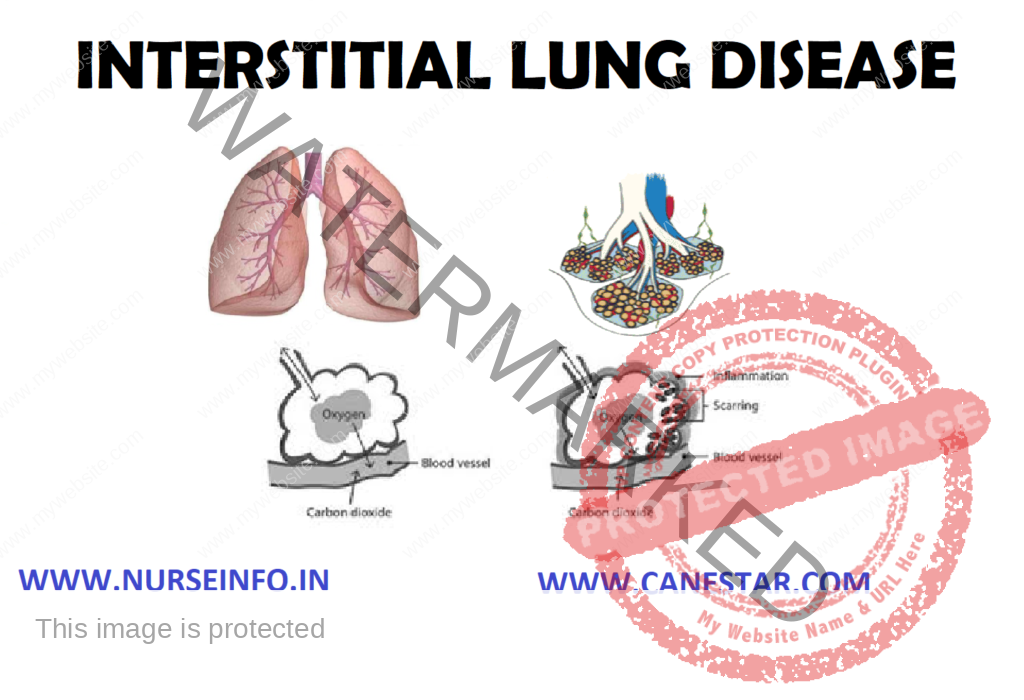
Interstitial lung disease describes a large group of disorders, most of which cause progressive scarring of lung tissue. The scarring associated with interstitial lung disease eventually affects ability to breathe and get enough oxygen into the bloodstream. It can be caused by long-term exposure to hazardous materials, such as asbestos. Some types of autoimmune diseases, such as rheumatoid arthritis, also can cause interstitial lung disease. In most cases, however, the causes remain unknown.

DEFINITION

Interstitial lung disease refers to inflammation in the interstitial tissue of the lungs, the spaces that surround and separate the air sacs.

Types of Interstitial Lung Disease

  • Interstitial pneumonia: bacteria, viruses, or fungi may infect the interstitium of the lung. A bacterium called Mycoplasma pneumonia is the most common cause.
  • Idiopathic pulmonary fibrosis: a chronic, progressive form of fibrosis of the interstitium. Its cause is unknown.
  • Nonspecific interstitial pneumonitis: interstitial lung disease that is often present with autoimmune conditions (such as rheumatoid arthritis or scleroderma)
  • Hypersensitivity pneumonitis: interstitial lung disease caused by ongoing inhalation of dust, mold, or other irritants
  • Cryptogenic organizing pneumonia (COP): pneumonia-like interstitial lung disease but without an infection present. COP is also called bronchiolitis obliterans with organizing pneumonia (BOOP)
  • Acute interstitial pneumonitis: a sudden, severe interstitial lung disease, often requiring life support
  • Desquamative interstitial pneumonitis: an interstitial lung disease that is partially caused by smoking
  • Sarcoidosis: a condition causing interstitial lung disease along with swollen lymph nodes, and sometimes heart, skin, nerve, or eye involvement
  • Asbestosis: interstitial lung disease caused by asbestos exposure
  • Silicosis: silicosis is a condition caused by inhaling too much silica over a long period of time. Salica is a crystal-like mineral found in sand and rocks, such as granite. Silica can have deadly consequences for people who work with stone, concrete, glass, or other forms of rock
  • Pneumoconiosis: pneumoconiosis, also known as Black Lung Disease, is an occupational lung disease caused by inhaling coal dust

ETIOLOGY

Interstitial lung disease can be triggered by many different things, including airborne toxins in the workplace, drugs and some types of medical treatments. In most cases, the causes are unknown.

  • Occupational and environmental factors: long-term exposure to a number of toxins and pollutants can damage your lungs. These may include:

Silica dust

Asbestos fibers

Grain dust

Bird and animal droppings

  • Radiation treatments: some people who receive radiation therapy for lung or breast cancer show signs of lung damage months or sometimes years after the initial treatment. The severity of the damage depends on:

How much of the lung was exposed to radiation

The total amount of radiation administered

Whether chemotherapy also was used

The presence of underlying lung disease

  • Medications: many drugs can damage your lungs, especially:

Chemotherapy drugs: methotrexate and cyclophosphamide

Heart medications: amiodarone (cordarone) and propranolol

Some antibiotics: nitrofurantoin and sulfasalazine

  • Medical conditions: lung damage can also result from:

Systemic lupus erythematosus

Rheumatoid arthritis

Sarcoidosis

Scleroderma

  • Unknown causes: the list of substances and conditions that can lead to interstitial lung disease is long. Even so, in most cases, the causes are never found. Disorders without a known cause are grouped together under the label idiopathic pulmonary fibrosis or idiopathic interstitial lung disease

RISK FACTORS

  • Age: interstitial lung disease is much more likely to affect adults, although infants and children sometimes develop the disorder
  • Exposure to occupational and environmental toxins: if clients working in mines, farming or construction or for any reason are exposed to pollutants known to damage lungs, risk of interstitial lung disease greatly increases.
  • Smoking: some forms of interstitial lung disease are more likely to occur in people with a history of smoking, and active smoking may make the condition worse
  • Radiation and chemotherapy: having radiation treatments to chest or using some chemotherapy drugs makes it more likely that will develop lung disease
  • Oxygen: continually inhaling very high levels of therapeutic oxygen for more than 48 hours can harm the lungs

PATHOPHYSIOLOGY

Acute injury to the pulmonary parenchyma —- leading to chronic interstitial inflammation —- fibroblast activation and proliferation —- progressing to the common endpoint of pulmonary fibrosis —- tissue destruction

SIGNS AND SYMPTOMS

  • Shortness of breath
  • Dry cough
  • Cyanosis
  • Clubbing (a painless enlargement of the fingertips)
  • Enlarged heart
  • Weight loss
  • Loss of appetite
  • Muscle and joints pain
  • Fatigue

DIAGNOSTIC EVALUATION

  • Medical history and physical examination
  • Blood tests: may help provide direction in the initial stage of diagnosis and rule out other conditions that may have similar symptoms. Measurements of the oxygen level in the arterial blood may also be performed.
  • Chest X-ray: a simple chest X-ray is the first test in the evaluation of most people with breathing problems. Chest X-rays films in people with interstitial lung disease may allow fine lines in the lungs
  • Computed tomography (CT scan): A CT scanner takes multiple X-rays of the chest and a computer creates detailed images of the lungs and surrounding structures. Interstitial lung disease can usually be seen on a CT scan
  • High-resolution CT scan: If interstitial lung disease is suspected, using certain CT scanner settings can improve the images of the interstitium
  • Pulmonary function testing: a person sits in a sealed plastic booth and breathes through a tube. PFTs are noninvasive tests that measure the function of the lungs. The test involves blowing into a tube that is part of an instrument called a spirometer. This can measure the volume of the lungs as well as the air flow into and out of the lungs. People with interstitial lung disease may have a reduced total lung capacity. They may also have a decreased ability to transfer oxygen from their lungs into their blood
  • Bronchoscopy: an endoscope is advanced through the mouth or nose into the airways. Tiny tools on the endoscope can take a sample of lung tissue
  • Video-assisted thoracoscopic surgery (VATS): using tools inserted through small incisions, a surgeon can sample multiple areas of lung tissue
  • Lung biopsy: obtaining lung tissue to examine under a microscope is the only way to determine which type of interstitial lung disease a person has. There are several ways to collect lung tissue, which is called a lung biopsy
  • Open lung biopsy (thoracotomy): in some cases, traditional surgery with a large incision in the chest is needed to obtain a lung biopsy

MANAGEMENT

  • Inhaled oxygen: in people with low oxygen blood levels due to interstitial lung disease, inhaled oxygen may improve symptoms. Regular use of oxygen might also protect the heart from damage caused by low oxygen levels
  • Antibiotics: these are effective treatments for most interstitial pneumonias, e.g. azithromycin and levofloxacin eliminate the bacteria that cause most interstitial pneumonias
  • Vaccines: influenza vaccine and pneumococcal pneumonia vaccine
  • Corticosteroids: in some forms of interstitial lung disease, ongoing inflammation in the lungs causes’ damage and scarring, e.g. prednisone and methylprednisolone reduce the activity of the immune system. This reduces the amount of inflammation in the lungs and the rest of the body.
  • Immune-suppressing drug: such as azathioprine or cyclophosphamide are also given, either in combination with steroids or following a course of steroid treatment
  • Smoking cessation: it is critical for those with interstitial lung disease

SURGICAL MANAGEMENT

Lung transplant: in advanced interstitial lung disease causing severe impairment, a lung transplant may be the best option. Most people undergoing lung transplant for interstitial lung disease make large gains in quality of life and their ability to exercise

COMPLICATIONS

  • Pulmonary hypertension: unlike systemic high blood pressure, this condition affects only the arteries in lungs. It begins when scar tissue restricts the smallest blood vessels, limiting blood flow in lungs. This, in turn, raises pressure within the pulmonary arteries. Pulmonary hypertension is a serious illness that becomes progressively worse
  • Right-sided heart failure (Cor pulmonale): this serious condition occurs when right ventricle of heart which is less muscular than the left has to pump harder than usual to move blood through obstructed pulmonary arteries. Eventually the right ventricle fails from the extra strain
  • Respiratory failure: in the end-stage of chronic interstitial lung disease, respiratory failure occurs when severely low blood oxygen levels along with rising pressures in the pulmonary arteries and the right ventricle cause heart failure
INTERSTITIAL LUNG DISEASE – Etiology, Risk Factors, Pathophysiology, Diagnostic Evaluations, Management and Complications

BRONCHIECTASIS

BRONCHIECTASIS – Etiology and Types, Signs and Symptoms, Diagnostic Evaluations and Management

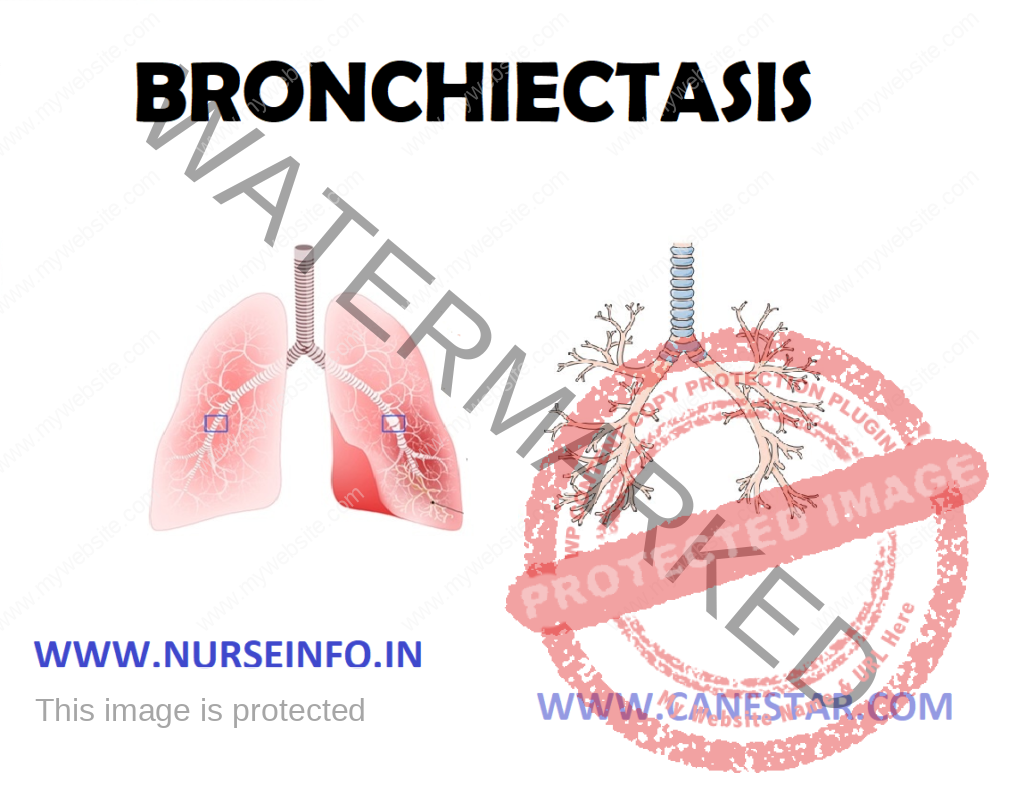
Bronchiectasis is a condition in which some of the bronchi have become scarred and permanently enlarged along with the loosening of integrity of bronchial wall. During the disease process, the cilia are damaged so that they are unable to effectively sweep away the mucus. As a result, mucus accumulates in parts of the lung that are affected and the risk of developing lung infections is increased.

ETIOLOGY AND TYPES

Currently bronchiectasis usually occurs as the result of an illness, such as pneumonia (approximately 25% of all cases). Other causes include:

  • Cystic fibrosis
  • Immune deficiency
  • Recurrent aspiration of fluid into the lungs (as occurs with gastroesophageal reflux)
  • Inhalation of a foreign object into the lungs
  • Inhalation of harmful chemicals, e.g. ammonia
  • In rare cases, it may be congenital

TYPES

  • Cylindrical bronchiectasis: bronchi are enlarged and cylindrical
  • Varicose bronchiectasis: bronchi are irregular with areas of dilatation and constriction
  • Saccular or cystic bronchiectasis: dilated bronchi form clusters of cysts. This is the most severe form of bronchiectasis and is often found in patients with cystic fibrosis

SIGNS AND SYMPTOMS

The main symptom of bronchiectasis is a mucus-producing cough. The cough is usually worse in the mornings and is often brought on by changes in posture. The mucus may be yellow-green in color and foul-smelling, indicating the presence of infection.

OTHER SYMPTOMS

  • Coughing up blood (more common in adults)
  • Bad breath
  • Wheezing chest: a characteristic crackling sound may be heard when listening with a stethoscope
  • Recurring lung infections
  • A decline in general health
  • In advanced bronchiectasis, breathlessness can occur

DIAGNOSTIC EVALUATIONS

An initial diagnosis of bronchiectasis is based on the patient’s symptoms, their medical history and a physical examination. Further diagnostic tests may include:

  • Chest X-ray
  • CT (computerized tomography) scan
  • Blood tests
  • Testing of the mucus to identify any bacteria present
  • Checking oxygen levels in the blood
  • Lung function tests (spirometry)

MANAGEMENT

Bronchiectasis is a chronic (long-term) condition that requires lifelong maintenance. Good management of the condition is vital to prevent ongoing damage to the lungs and worsening of the condition.

The ultimate goal of treatment is to clear mucus from the chest and prevent further damage to the lungs. The two main types of treatments used are:

Medications

Some or all of the following groups of medications may be used:

  • Antibiotics are used to treat acute infections. Where the infections is severe, hospitalization and treatment with intravenous antibiotics may be required.
  • Bronchodilators (as used in people with asthma) to improve the flow of air to the lungs
  • Corticosteroids to reduce inflammation in the lungs
  • Occasionally, medications to thin the mucus may be used
  • Vaccination against flu and pneumococcus

Physiotherapy and Exercise

  • Chest physiotherapy and postural drainage are used to remove secretions from the lungs
  • Other factors important in managing the condition include avoiding dust, smoke and other respiratory irritants, and maintaining a balanced nutritious diet

PREVENTION

The ministry of health recommends the following measures to help prevent bronchiectasis in children:

  • Not smoking during pregnancy and having a smoke free home
  • Breastfeeding your children
  • Eating a healthy balanced diet
  • Early detection and treatment of chest infections
  • Making sure homes are warm and dry (making chest infections less likely)
  • Immunization for diseases like measles and whooping cough

NURSING MANAGEMENT

Nursing Intervention

  • Improve gas exchange

Administer oxygen to maintain PaO2 of 60 mm Hg, using devices that provide increased oxygen concentration

Monitor fluid balance by intake and output measurement, urine-specific gravity, daily weight measurement

Provide measures to prevent atelectasis and promote chest extension and secretion clearance as per order, spirometer

Elevate head level to 30 degrees

Monitor adequacy of alveolar ventilation by frequent measurement of respiratory system

Administer antibiotic, cardiac medication and diuretics as prescribed by doctor

  • Maintain airway clearance

Administer medication to increase alveolar function

Perform chest physiotherapy to remove mucus

Administer IV fluids

Suction patient as needed to assist with removal of secretions

  • Relieving pain

Watch patient for signs of discomfort and pain

Position the head elevated

Give prescribed morphine and monitor for pain-relieving sign

  • Reducing anxiety

Correct dyspnea and relive physical discomfort

Speak calmly and slowly

Explain diagnostic procedure

BRONCHIECTASIS – Etiology and Types, Signs and Symptoms, Diagnostic Evaluations and Management

THALASSEMIA

THALASSEMIA – Types, Signs and Symptoms, Diagnostic Evaluations and Management

Thalassemia is a group of inherited autosomal recessive blood disorders. In thalassemia, the genetic defect which could be either mutation or deletion, results in reduced rate of synthesis or no synthesis of one of the globin chains that make up hemoglobin.

TYPES OF THALASSEMIA

  1. Alpha Thalassemia Facts

Alpha thalassemia is a blood disorder that reduces the production of hemoglobin, the protein in red blood cells that carries oxygen to cells throughout the body. Alpha thalassemia also occurs frequently in people from Mediterranean countries, North Africa, the Middle East, India and Central Asia. Alpha thalassemia typically results from deletions involving the HBA1 and HBA2 genes. People who have alpha thalassemia trait can have mild anemia. However, many people with this type of thalassemia have no signs or symptoms.

SIGNS AND SYMPTOMS OF ALPHA THALASSEMIA

Reduction in the amount of hemoglobin prevents enough oxygen from reaching the body’s tissues. Affected individuals also have a shortage of red blood cells (anemia), which can cause pale skin, weakness, fatigue, more serious complications Beta-Thalassemia

2. Beta thalassemia are due to mutations in the HBA gene on chromosome. It also inherited in an autosomal-recessive fashion. The severity of the disease depends on the nature of the mutation. Mutations are characterized as either beta-thalassemia major if they prevent any formation of beta-chains, the most severe form of beta-thalassemia. Also, they are characterized as beta + or beta – thalassemia intermediate if they allow some beta-chain formation to occur. In either case, there is a relative excess of alpha-chains.

DIAGNOSTIC EVALUATIONS

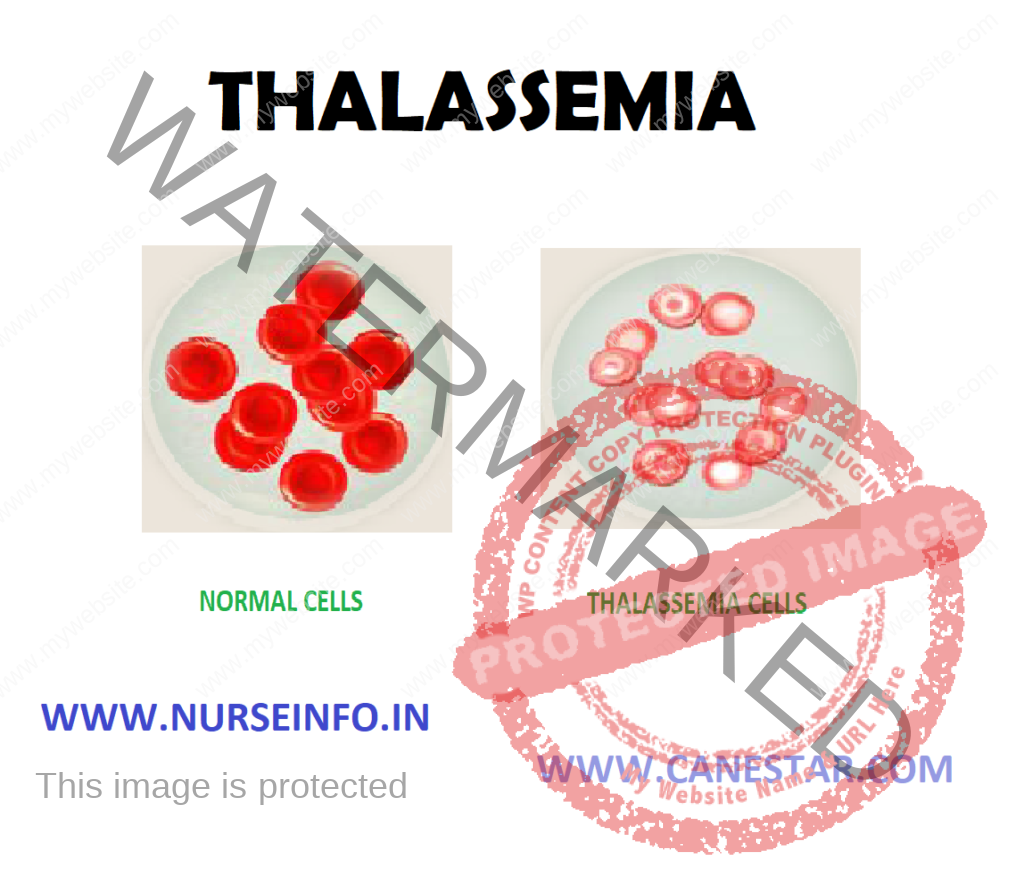
Microscopic examination of the blood, which shows many small, pale and blood cells

MANAGEMENT

Normally, there are no treatments recommended. However, the doctor may suggest taking iron medication if they feel it is necessary. Additionally, splenectomy, bone marrow transplants and chelation therapy are being researched as possible treatments for thalassemia.

Medical Therapy

Medical therapy involves iron chelation. Deferoxamine is the intravenously or subcutaneously administered chelation agent. Deferasirox is an oral iron chelation drug.

Standard Treatments

Blood Transfusions

Transfusions of red blood cells are the main treatment for people who have moderate or severe thalasemias. This treatment gives healthy red blood cells with normal hemoglobin. Blood transfusions allow patient feel better, enjoy normal activities, and live into adulthood. This treatment is lifesaving, but it’s expensive and carries a risk of transmitting infections and viruses (for example, hepatitis). However, the risk is very low in the United States because of careful blood screening

Iron Chelation Therapy

Because the hemoglobin in red blood cells is an iron-rich protein, regular blood transfusions can lead to a buildup of iron in the blood. This condition is called iron overload. It damages the liver, heart, other parts of the body. To prevent this damage, iron chelation therapy is needed to remove excess iron from the body. Two medicines are used for iron chelation therapy.

  • Deferoxamine is a liquid medicine that’s given slowly under the skin, usually with a small portable pump used overnight. This therapy takes time and can be mildly painful. Side effects include problems with vision and hearing.
  • Deferasirox is a pill taken once daily. Side effects include headache, nausea (feeling sick to the stomach), vomiting, diarrhea, joint pain, and fatigue (tiredness).

Folic Acid Supplements

Folic acid is a vitamin B that helps build healthy red blood cells. Patient may need to take folic acid supplements in addition to treatment with blood transfusions and iron chelation therapy.

There are two kinds of iron in the diet:

  1. Iron which is present in red meat (meat iron)
  2. Iron which is widely distributed in the diet (non-meat)

Iron chelators such as Desferal and Deferiprone not only bind iron but also some Zinc and excrete it in the urine. The main nutritional sources of Zinc are animal foods (meat and dairy products) and wholemeal cereals. Dairy products like milk, cheese and yoghurt, eggs, etc. contain a lot of Zinc.

In thalassemia, because of the excess iron in the body, there is a higher risk of oxidative damage. The four main antioxidants are vitamin E, vitamin C, carotenoids and flavonoids.

  • Vitamin E is mainly found in vegetable oils such as olive oil and sun flower oil
  • Vitamin C is present in fruit and vegetables
  • Carotenoids are found in carrots, yellow squash, corn, tomatoes, papaya, oranged, and dark-green leafy vegetables. As these foods are also high in vitamin C.
  • Tea and Red wine contain Flavonoids. Tea also inhibits iron absorption

COMPLICATION

  • Iron overload: people with thalassemia can get an overload of iron in their bodies, either from the disease itself or from frequent blood transfusions. Too much iron can result in damage to the heart, liver and endocrine system, which includes glands that produce hormones that regulate processes throughout the body. The damage is characterized by excessive iron deposition. Without adequate iron chelation therapy, almost all patients with beta-thalassemia will accumulate potentially fatal iron levels.
  • Infection: people with thalassemia have an increased risk of infection. This is especially true if the spleen has been removed.
  • Bone deformities: Thalassemia can make the bone marrow expand, which causes bone to widen. This can result in abnormal bone structure, especially in the face and skull. Bone marrow expansion also makes bones thin and brittle, increasing the risk of broken bones.
  • Enlarged spleen: the spleen aids in fighting infection and filters unwanted material, such as old or damaged blood cells. Thalassemia is often accompanied by the destruction of a large number of red blood cells, and the task of removing these cells causes the spleen to enlarge.
  • Slowed growth rates: anemia can cause a child’s growth to slow. Puberty also may be delayed in children with thalassemia.
  • Heart problems: such as congestive heart failure and abnormal heart rhythms (arrhythmias), may be associated with severe thalassemia.

NURSING MANAGEMENT

Nursing Diagnosis

  • Activity intolerance related impaired oxygen transport
  • High-risk for infection related decreased resistance secondary to hypoxia
  • Altered body image related skeletal changes
  • Altered nutrition: less than body requirement related to inadequate nutritional intake and anorexia
  • Ineffective management of therapeutic regimen related to lack of knowledge about appropriate nutrition and medication

Nursing Interventions

  • Assess amount of activity that cause fatigue or dyspnea
  • Assessed patient with activities as needed
  • Provide oxygen therapy as ordered
  • Instruct pt to space rest with activities
  • Avoid rubbing, powder, deodorant, lotion or ointment (unless prescribed) or application of heat and cold to treated area
  • Encourage pt to keep treated area clean and dry, bathing area gently with tepid water and mild soap
  • Encourage wearing loose-fitting cloths
  • Advise patient to protect skin from exposure to sun, chlorine, and temperature extremities.
THALASSEMIA – Types, Signs and Symptoms, Diagnostic Evaluations and Management

SYPHILITIC AORTITIS and AORTIC ANEURSYM

SYPHILITIC AORTITIS and AORTIC ANEURSYM – Causes, Pathophysiology, Clinical Manifestation and Treatment

SYPHILITIC AORTITIS

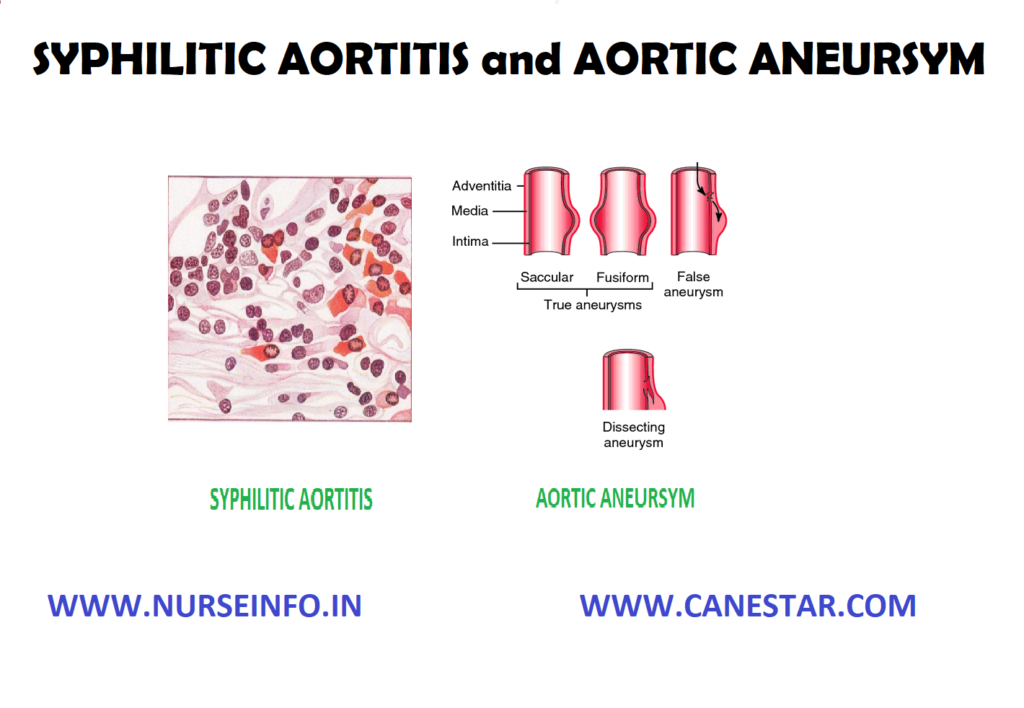
Syphilitic aortitis  is a disease of the aorta associated with the tertiary stage of syphilis infection. SA begins as inflammation of the adventitia, including the vessels that supply the aorta itself with blood and the vasa vasorum.

CAUSES

It is caused by syphilis infection, which normally occurs in older people, syphilitic aortitis typically affects those under the age of 50.

PATHOPHYSIOLOGY

Vasa vasorum (show) —- hyperplastic thickening of their walls —- restricts blood flow (causes) —- ischemia of the aortic wall

CLINICAL MANIFESTATION

  • Ischemia of the outer two-thirds of the aortic wall
  • Starved for oxygen and nutrients
  • Elastic fibers become patchy smooth muscle cells
  • Necrosis

TREATMENT

Penicillin treatments is helpful

AORTIC ANEURYSM

An aneurysm is an abnormal bulge in the wall of a blood vessel. A large bulge, more than 1.5 times the size of normal aorta, is called an aneurysm.

TYPES

  • True aneuryms: in this vessels are dilate in following way:

Fusiform aneurysms: appear as symmetrical bulges around the circumference of the aorta. They are the most common shape of aneurysm.

Saccular aneurysms are asymmetrical and appear on one side of the aorta. They are usually caused by trauma or a severe aortic ulcer

Dissecting aneurysms: a bilateral out pouching in which layers of the vessels wall separate, creating a cavity

  • False aneurysms: the wall rupture and a blood clot is retained in an out pouching of tissue or there connection between and artery that does not close
  • Thoracic aortic aneurysms: develop in the part of the aorta that runs through the chest. This includes the ascending aorta, the aortic arch and the descending thoracic aorta
  • Abdominal aortic aneurysms: develop in the part of the aorta that runs through the abdomen. Most abdominal aortic aneurysms develop below the renal arteries. Sometimes aortic aneurysms extend beyond the aorta into the iliac arteries

ETIOLOGY

The exact cause is unknown. But recent evidence includes:

  • Atherosclerosis
  • Hypertension

RISK FACTORS

  • CAD
  • Hypertension
  • Hypercholesterolemia
  • Hyperhomocysteinemia
  • Elevated C-reactive protein
  • Tobacco use
  • Peripheral vascular disease
  • Marfan syndrome
  • Ehlers-Danlos type IV
  • Bicuspid aortic valve

PATHOPHYSIOLOGY

The physical change in the aortic diameter (can occur) —- secondary to trauma, infection —- an intrinsic defect in the protein construction of the aortic wall (due to) —- progressive destruction of aortic proteins by enzymes —- enlargement of atrial walls

MANAGEMENT

Medical Management

Medical therapy of aortic aneurysms involves strict blood pressure control, but control of hypertension within tight blood pressure parameters may decrease the rate of expansion of the aneurysm.

The tetracycline antibiotic Doxycycline is currently being investigated for use as a potential drug in the prevention of aortic aneurysm due to its metalloproteinase inhibitor and collagen stabilizing properties

Surgical Management

For abdominal aortic aneurysms suggest elective surgical repair when the diameter of the aneurysm is greater than 5 cm. however, suggest medical management for abdominal aneurysms with a diameter of less than 5.5 cm.

Open Surgery

Open surgery typically involves dissection of the dilated portion of the aorta and insertion of a synthetic (Dacron or Gore-Tex) patch tube. Once the tube is sewn into the proximal and distal portions of the aorta, the aneurysmal sac is closed around the artificial tube. Instead of sewing, the tube ends, made rigid and expandable by nitinol wireframe, can be much more simply, quickly and effectively inserted into the vascular stumps and there permanently fixed by external ligature.

Endovascular Surgery

The endovascular treatment of aortic aneurysms involves the placement of an endovascular stent via a percutaneous technique (usually the femoral arteries) into the diseased portion of the aorta. This technique has been reported to have a lower mortality rate compared to open surgical repair, and is now being widely used in individuals with co-morbid conditions that make them high-risk patients for open surgery.

SYPHILITIC AORTITIS and AORTIC ANEURSYM – Causes, Pathophysiology, Clinical Manifestation and Treatment

LYMPHOMAS

LYMPHOMAS – Types, Etiology, Pathophysiology, Stages, Clinical Manifestations, Diagnostic Evaluations and Management

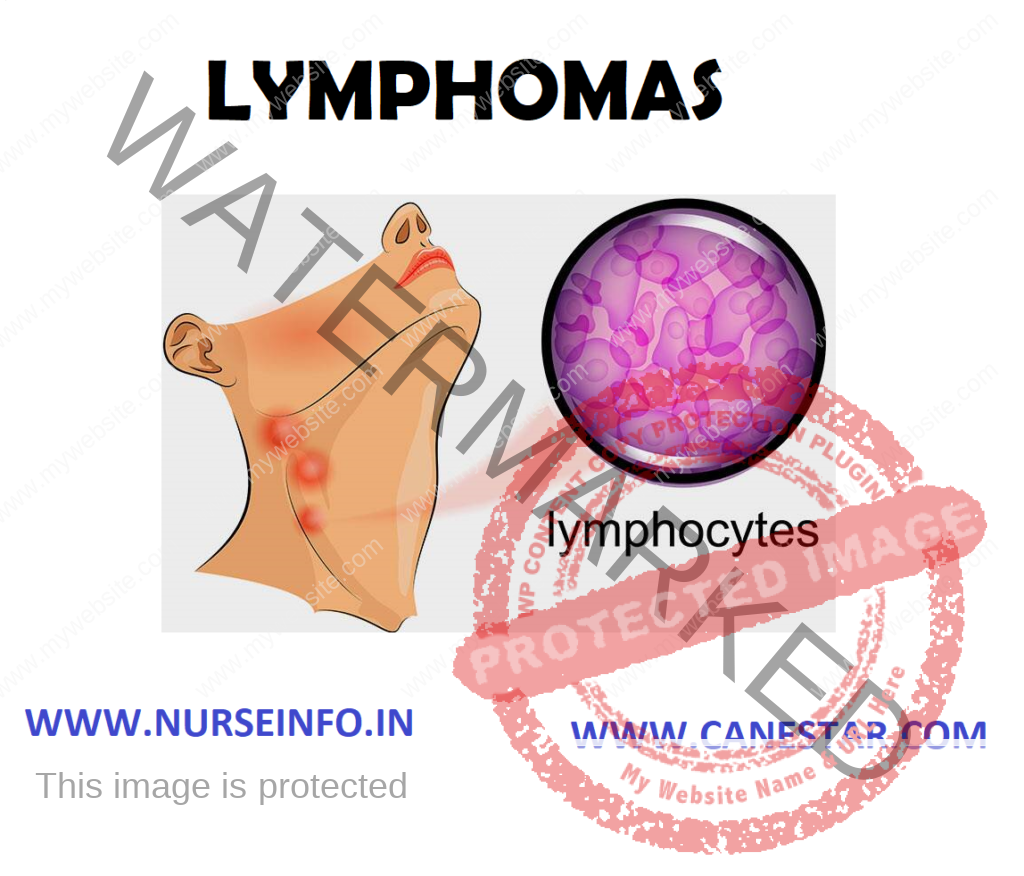
The lymphomas are neoplasms of cells of lymphoid origins. These tumors usually start in lymph nodes but can involve lymphoid tissue in the spleen, the gastrointestinal tract, the liver and the bone marrow.

They are often classified according to the cell differentiation and the origin of the predominant malignant cells. Lymphomas can be broadly classified into two categories:

  • Hodgkin’s lymphoma
  • Non-Hodgkin’s lymphoma

Hodgkin’s Lymphoma

Hodgkin’s lymphoma is also called Hodgekin’s disease. It is a chronic, progressive, neoplastic disorder of lymphatic tissue tissue characterized by the painless enlargement of lymph nodes with progression to extralymphatic sites such as the spleen, and liver.

ETIOLOGY

  • Exact cause of Hodgkin’s lymphoma remains unknown
  • Infection with Epstein-Barr virus
  • Genetic predisposition
  • Exposure to occupational toxins
  • The incidence of hodgkin’s lymphoma is increased among HIV infected patients

PATHOPHYSIOLOGY

Normally the lymph nodes are composed of connective tissues that surround a fine mesh of reticular fibers and cells —- in Hodgkin’s lymphoma the normal structure of lymph node is destroyed by hyperplasia of monocyte and macrophages —- in recurrent disease, it may be more diffuse (wide spread) —- it eventual infiltrate other organs, especially the lungs, liver and spleen

STAGES OF HODGKIN’S LYMPHOMA

Stage 1: involvement of a single lymph node region on a lymphoid structure (e.g. spleen, thymus)

Stage 2: involvement of two or more lymph node regions on the same side of the diaphragm

Stage 3: involvement of lymph node regions or structure on both sides of the diaphragm

Stage 31: involvement limited to the lymphatic structures in the upper abdomen that is spleen or splenic, celiac or hepatic portal nodes

Stage 32: involvement of lower abdominal nodes, that is para-arotic, iliac, inguinal, with or without involvement of the splenic, ciliac or hepatic portal nodes

Stage 4: diffuse or disseminated involvement of one or more extra lymphatic organs or tissues with or without associated lymph node involvement

CLINICAL MANIFESTATION

  • Enlargement of cervical, axillary and inguinal lymph nodes
  • The enlarged lymph nodes are not painful unless they exert pressure on adjacent nerves
  • Pruritus: is the common it can be extremely distressing and the cause is unknown
  • The symptoms results from compression of organs by the tumor
  • Cough and pulmonary effusion: from pulmonary filtration
  • Jaundice: from hepatic involvement or bile duct obstruction
  • Abdominal pain: from splenomegaly
  • Retroperitoneal adenopathy
  • Bone pain: from skeletal involvement
  • Fever
  • Unintentional weight loss
  • Anemia

DIAGNOSTIC EVALUATION

  • Physical examination: to assess swollen lymph nodes, including neck, axillary and groin, as well as a swollen spleen or liver
  • Blood tests: a sample of blood is examined in a lab to see if anything in blood indicates the possibility of cancer
  • Imaging tests: imaging tests used to diagnose Hodgkin’s lymphoma include X-ray, computerized tomography (CT) scan and positron emission tomography (PET)
  • Bone marrow biopsy: a bone marrow biopsy may be used to look for signs of cancer in the bone marrow. During this procedure, a small amount of bone marrow, blood and bone are removed through a needle.

MANAGEMENT

Treatment depends on the nature and extent of the disease. Once the stage of Hodgkin lymphoma is established management focuses on selecting a treatment plan.

  • The standard for chemotherapy is the ABVD regimen: Doxorubicin, Bleomycin, Vinblastine and Dacarbazine
  • Patients with early stage disease will receive two or four cycles of chemotherapy
  • Patient with early stage but unfavorable prognostic feature or intermediate stage disease will be treated with four to six cycles of chemotherapy
  • Other chemotherapy regimens include MOPP alternating with ABVD. MOPP consist in Mechlorethamine, Vincristine, Procarbazine and Prednisone
  • Role of radiation as a supplement to chemotherapy varies to depending on sites of disease and the presence of resistant disease after chemotherapy
  • The most distressing and immediate side effect of the chemotherapeutic agents used to treat Hodgkin’s disease is severe nausea and vomiting. Symptoms may severe enough to force a client to discontinue therapy. Pancytopenia a toxic effect of these agents, usually occurs 10 to 14 days after intravenous therapy

Non-Hodgkin Lymphoma

Non-Hodgkin’s lymphomas are a heterogeneous group of malignant neoplasms of primarily B and T-cell origin affecting all ages. B-cell lymphomas constitute about 90% of all non-Hodgkin’s lymphoma. They are classified according to different cellular and lymph node characteristics.

ETIOLOGY

The cause of non-Hodgkin’s lymphoma is usually unknown

RISK FACTORS

  • Immunosuppressive medicines: used to prevent rejection following an organ transplant or to treat autoimmune disease.
  • Infection with certain viruses and bacteria: certain viral and bacterial infections appear to increase the risk of non-Hodgkin’s lymphoma. Viruses linked to increased non-Hodgkin’s lymphoma risk include HIV and Epstein-Barr virus. Bacteria linked to an increased risk of non-Hodgkin’s lymphoma include the ulcer-causing Helicobacter pylori
  • Chemicals: certain chemicals, such as those used to kill insects and weeds, may increase risk of developing non-Hodgkin’s lymphoma. More research is needed to understand the possible link between pesticides and the development of non-Hodgkin’s lymphoma.

CLINICAL MANIFESTATION

  • Painless, swollen lymph nodes in your neck, axilla or groin
  • Abdominal pain or swelling
  • Chest pain, coughing or trouble breathing
  • Fatigue
  • Fever
  • Night sweats
  • Weight loss

DIAGNOSTIC EVALUATION

  • Physical examination: to determine the size and condition of lymph nodes and to find out whether liver and spleen are enlarged
  • Blood and urine tests: blood and urine tests may help rule out an infection or other disease
  • Imaging tests: imaging tests to look for tumors in body. Imaging tests may include X-ray, computerized tomography (CT) scan, magnetic resonance imaging (MRI) or positron emission tomography (PET)
  • Biopsy: a biopsy procedure to sample or remove a lymph node for testing. Analyzing lymph node tissue in a lab may reveal the cause
  • Bone marrow biopsy: to find out whether the disease affects bone marrow

MANAGEMENT

  • Chemotherapy: chemotherapy is drug treatment-given orally or by injection-that kills cancer cells. Chemotherapy drugs can be given alone, in combination with other chemotherapy drugs or combined with other treatments
  • Radiation therapy: radiation therapy uses high-powered energy beams, such as X-rays, to kill cancerous cells and shrink tumors. Radiation therapy can be used alone or in combination with other cancer treatments
  • Stem cell transplant: a stem cell transplant is a procedure that involves very high doses of chemotherapy or radiation with the goal of killing the lymphoma cells that may not be killed with standard doses. Later, healthy stem cells-own or from a donor-are injected into body, where they can form new healthy blood cells.
  • Medications that enhance immune system’s ability to fight cancer: biological therapy drugs help the body’s immune system to fight cancer. For example, one biological therapy called rituximab is a type of monoclonal antibody that attaches to B-cells and makes them more visible to the immune system, which can then attack. Rituximab lowers the number of B-cells, including healthy B-cells, but body produces new healthy B-cells to replace these. The cancerous B-cells are less likely to recur
  • Medication that delivers radiation directly to cancer cells: radioimmunotherapy drugs are made of monoclonal antibodies that carry radioactive isotopes. This allows the antibody to attach to cancer cells and deliver radiation directly to the cells. One radioimmunotherapy drug, ibritumomab tiuxetan is used to treat lymphomas

NURSING MANAGEMENT

Nursing Diagnosis

  • Activity intolerance related to fatigue and anemia as evidence by inability to carry out activities of daily living
  • Impaired tissue integrity related to high dose radiation therapy
  • Risk of infection related to altered immune response because of lymphoma and leucopenia caused by chemotherapy or radiation therapy
  1. Activity intolerance related to fatigue and anemia as evidence by in ability to carry out activities of daily living

Interventions

  • Assess amount of activity that cause fatigue or dyspnea
  • Assessed patient with activities as needed
  • Provide oxygen therapy as ordered
  • Instruct pt to space rest with activities
  • Impaired tissue integrity related to high dose radiation therapy

Interventions

  • Avoid rubbing, powder, deodorant, lotion or ointment (unless prescribed) or application of heat and cold to treated area
  • Encourage pt to keep treated area clean and dry, bathing area gently with tepid water and mild soap
  • Encourage wearing loose-fitting cloths
  • Advise patient to protect skin from exposure to sun, chlorine, and temperature extremities
  • Risk of infection related to altered immune response because of lymphoma and leucopenia caused by chemotherapy or radiation therapy

Interventions

  • Assess patient for risk factor for infection
  • Monitor patient for sign and symptoms of infection, such as cough, fever, malaise, erythema, pain or discharge and report immediately
  • Teach patient and significant other sign and symptoms of infection to watch for and report
  • Teach the pt to avoid exposure to other with influenza or other infection
  • Teach patient with proper hand washing and good oral and personal hygiene
  • Teach hand hygiene and infection risk education to family member.
LYMPHOMAS – Types, Etiology, Pathophysiology, Stages, Clinical Manifestations, Diagnostic Evaluations and Management

LYMPHOMAS – Types, Etiology, Pathophysiology, Stages, Clinical Manifestations, Diagnostic Evaluations and Management

VARICOSE VEINS

VARICOSE VEINS – Types, Stages, Etiology, Risk Factors, Clinical Manifestations, Diagnostic Evaluations and Management

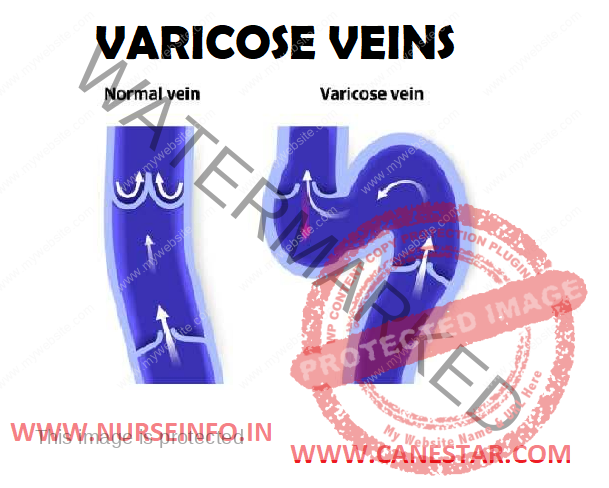
Veins are blood vessels that return deoxygenated blood from the outer parts of the body back to the heart and lungs. When veins become abnormally thick, full of twists and turns, or enlarged, they are called varicose veins. This happens most commonly in the veins in the legs and thighs

TYPES

  • The superficial veins and their branches are close to the skin. Also included in this category are the communicator or perforator veins, which connect the superficial veins with the deep veins
  • The deep veins are encased by muscle and connective tissue, which help to pump the blood in the veins and back to the heart. The veins have one-way valves to prevent them from developing varicosities.

STAGES

  • C0 – no visible or palpable signs of venous disease
  • C1 – telangiectasia or reticular veins
  • C2 – varicose veins
  • C3 – edema
  • C4a – skin changes due to venous disorders: pigmentation, eczema
  • C4b – as C4 but with healed ulcers
  • C6 – skin changes with active ulcers (venous insufficiency ulceration)

ETIOLOGY

  • Heredity
  • Pregnancy
  • Obesity
  • Menopause
  • Aging
  • Prolonged standing
  • Leg injury
  • Abdominal straining
  • Crossing legs at the knees or ankles

RISK FACTORS

  • Pregnancy is associated with an increase in blood volume
  • Prolonged standing
  • Obesity or distended belly
  • Straining: chronic constipation, urinary retention from an enlarged prostate, chronic cough
  • Prior surgery or trauma to the leg. These conditions interrupt the normal blood flow channels
  • Age: generally, most elderly individuals show some degree of varicose vein occurrence

CLINICAL MANIFESTATIONS

  • Aching, heavy legs
  • Appearance of spider in the affected leg
  • Ankle swelling, especially in evening
  • A brownish-blue shiny skin discoloration near the affected veins
  • Redness, dryness and itchiness of areas of skin
  • Cramps may develop especially when making a sudden move as standing up
  • Minor injuries to the area may bleed more than normal and/or take a long time to heal
  • Restless legs syndrome appears to be a common overlapping clinical syndrome in patients with varicose veins and other chronic venous insufficiency
  • Whitened, irregular scar-like patches can appear at the ankles. This is known as atrophie blanche.

DIAGNOSTIC EVALUATION

  • Duplex Doppler Ultrasound scanning: all patients with varicose veins should now be investigated using ultrasound
  • CT scanning

MANAGEMENT

Conservative Management

  • Elevating the legs often provides temporary symptomatic relief
  • Advice about regular exercise sounds sensible but is not supported by an evidence
  • The wearing of graduated compression stockings with variable pressure to correct the swelling, nutritional exchange, and improve the microcirculation in legs affected by varicose veins
  • The wearing of intermittent pneumatic compression devices have been shown to reduce swelling and increase circulation
  • Diosmin/hesperidine and other flavonoids
  • Anti-inflammatory medication, such as ibuprofen or aspirin can be used as part of treatment for superficial thrombophlebitis

SURGICAL MANAGEMENT

Stripping

Stripping consists of removal of all or part of the saphenous vein (great/long and/or lesser/short) main trunk. The complications include deep vein thrombosis, pulmonary embolism, and wound complications including infection

Nonsurgical Management

Sclerotherapy

A commonly performed nonsurgical treatment for varicose and ‘spider’ leg veins is sclerotherapy in which medicine is injected into the veins to make them shrink. The medicines that are commonly used for sclerosants are polidocanol (POL), sodium tetradecyl sulfate.

COMPLICATIONS

  • Pain, heaviness, inability to walk or stand for long hours, thus hiddering work
  • Dermatitis which could predispose skin loss
  • Skin ulcers especially near the ankle, usually referred to as venous ulcers
  • Development of carcinoma or sarcoma in longstanding venous ulcers. Severe bleeding from minor trauma, of particularly concern in the elderly
  • Blood clotting within the affected veins
  • Acute fat necrosis can occur especially at the ankle of overweight patients with varicose veins. Females are more frequently affected than males
  • The affected person suffers tenderness in that region
VARICOSE VEINS – Types, Stages, Etiology, Risk Factors, Clinical Manifestations, Diagnostic Evaluations and Management

VARICOSE VEINS – Types, Stages, Etiology, Risk Factors, Clinical Manifestations, Diagnostic Evaluations and Management

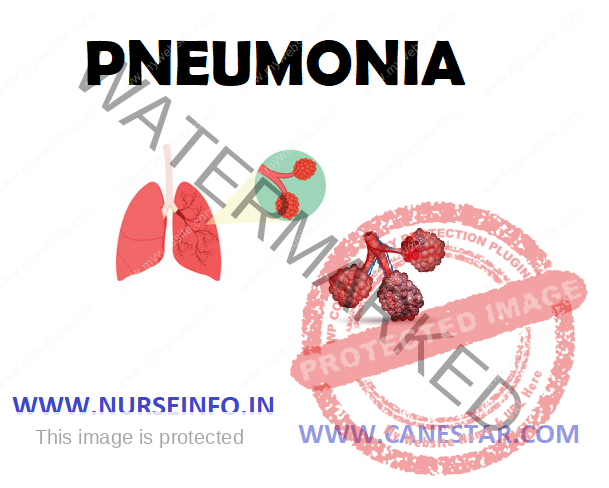
PNEUMONIA

PNEUMONIA – Types, Pathophysiology, Signs and Symptoms, Diagnostic Evaluation and Management

  • Pneumonia is an inflammation and consolidation of the lung parenchyma. It is an inflammatory process in lung parenchyma usually associated with marked increase in interstitial and alveoli fluid
  • Pneumonitis: it is a more general term that describes an inflammatory process in lung tissues that may predispose a patient to or place a patient at risk for microbial invasions (or)
  • Pneumonia is an inflammatory condition of the lung, especially affecting the microscope air sacs (alveoli), associated with fever, chest symptoms, and a lack of air space (consolidation) on a chest X-ray. The inflammation may be caused by infection with viruses, bacteria, or other microorganisms, and less commonly by certain drugs and other conditions.

ETIOLOGY AND RISK FACTORS

The main cause of pneumonia is the:

  • Bacteria like Streptococcus pneumoniae, Haemophilus influenza, Staphylococcus aureus
  • Viruses like rhinoviruses, coronaviruses, influenza virus
  • Fungal agents like Histoplasma capsulatum
  • Parasites: a variety of parasites can affect the lungs. These parasites typically enter the body through the skin or the mouth. Once inside the body, they travel to the lungs, usually through the blood. The most common parasites causing pneumonia are Toxoplasma gondii, Strongyloides stercoralis and Ascariasis.

The major risk factors of pneumonia include:

  • Advanced age
  • A history of smoking

TYPES OF PNEUMONIA

  1. According to site – Segmental, Lobar and Bilateral
  2. According to location – broncho or bronchial, interstitial/reticular, alveolar and nacrotizing
  3. According to organism – Pneumococcal, staphylococcal, influenza, klebsiella, legionnaires disease, mycoplasmal, viral, fungal and parasite
  4. Other – aspiration
  • Upper respiratory infections
  • Tracheal intubation
  • Prolonged immobility
  • Immunosuppressive therapy
  • Malnutrition
  • Dehydration
  • Chronic disease states, like diabetes, heart disease, chronic lung disease, renal disease and cancer
  • Exposure to air pollution
  • Alcoholism

Pneumonia According to Site

  • Segmental pneumonia: it involves one or more segments of the lungs
  • Lobar pneumonia: it involves one or more entire lobes
  • Bilateral pneumonia: it involves lobes in both the lungs

Pneumonia According to Location and Radiologic Appearance

  • Broncho or bronchial pneumonia: it involves terminal bronchials and alveoli
  • Interstitial or reticular pneumonia: it involves inflammatory response within the lung tissue surrounding the air space or vascular structure rather than air passage
  • Alveolar or acinar pneumonia: it involves fluid accumulation in a lung’s distal air space
  • Nacrotizing pneumonia: it causes the death of the lung tissue surroundings by viable tissue. It does not heal and cause permanent loss of functioning parenchyma

Pneumonia According to Organism

  • Pneumococcal or streptococcal pneumonia: caused by streptococcus pneumonia
  • Staphylococcus pneumoniae: caused by staphylococcus aureus
  • Influenza pneumonia: caused by Haemophilus influenza
  • Gram-negative bacterial pneumonia: caused by klebsiella pneumoniae
  • Legionnaires disease: caused by legionella pneumophilae
  • Mycoplasma pneumonia: caused by mycoplasma microorganisms
  • Viral pneumonia: caused by influenza A virus and B virus, adenovirus, cytomegalovirus, parainfluenza
  • Fungal pneumonia: caused by aspergillus, candidiasis, blastomycosis
  • Parasitic pneumonia : caused by protozoa, nematodes

Other Types of Pneumonia

  • Aspiration pneumonia: due to aspiration of foreign particles, gastric content or food
  • Hypostatic pneumonia: caused by constantly remaining in same position and most common in weak or aged persons
  • Ventilator-associated pneumonia (VAP): it is defined as pneumonia occurring in a patient within 48 hours or more after intubation with an endotracheal tube or tracheostomy tube and which was not present before. Early onset VAP occurs within 48 hours and late onset VAP beyond 48 hours of tracheal intubation.

Other Risk Factors

  • Previous stroke: people, who have had a stroke, have problems in swallowing, or are bedridden, can easily develop pneumonia
  • Age: infants from birth to age too are at risk for pneumonia, as are individuals aged 65 years or older
  • Weakened immune system: this includes people who take medications (steroid drugs and anti-cancer drugs) that weaken the immune system and people with HIV, AIDS, or cancer.
  • Drug abuse: this includes excessive alcohol consumption and smoking
  • Certain medical conditions: asthma, cystic fibrosis, diabetes, and heart failure raise risks for pneumonia

PATHOPHYSIOLOGY OF PNEUMONIA

  1. Inflammatory pulmonary response to the offending organism or agent —- defense mechanism of lung loses effectiveness —- allow the organism to penetrate the lower airway —- inflammation develops —- inflamed and fluid-filled alveolar sacs cannot exchange oxygen and carbon dioxide effectively —- hypoventilation —- ventilation-perfusion mismatch, alveolar exudates tend to consolidate and become difficult to expectorate
  • Acute inflammation occurs that causes excess water, and plasma proteins go to the dependent areas of the lower lobes —- RBCs, fibrin, and polymorphonuclear leukocytes infiltrate the alveoli — containment of the bacteria within the segments of pulmonary lobes by cellular recruitment —- consolidation of leukocytes and fibrin within the affected area —- stage of congestion: engorgement of alveolar spaces with fluid and hemorrhagic exudates —proliferation and rapid spread of organism through the lobe —- stage of red hepatization: coagulation of exudates occurs resulting in the red appearance of the affected lung —- stage of grey hepatization: the decrease in number of RBCs in the exudates is replaced by neutrophils, which infiltrate the alveoli, making the lung tissue to the solid and grayish in color —- pneumonia

SIGNS AND SYMPTOMS

  • Productive cough
  • Fever accompanied by shaking chills
  • Shortness of breath
  • Sharp or stabbing chest pain during deep breaths
  • Confusion, and an increased respiratory rate
  • Malnutrition
  • Hemoptysis
  • Headache
  • Fatigue
  • Chest auscultation reveals bronchial breath sounds over the area of consolidation
  • Crackling sounds
  • Dull sound on percussion
  • Unequal chest wall expansion may occur during inspiration
  • Pneumococcal pneumonia: sudden onset with a single shaking chill, high fever, stabbing pleuritic chest pain, malaise, weakness, occasional vomiting, tachypnea, dyspnea, elevated WBC count
  • Single or multiple lobar consolidations on the X-ray film: cough productive of rusty brown or blood-streaked purulent sputum that turns yellow and mucoid
  • Staphylococcus pneumonia: sudden onset with fever, multiple chills, pleuritic pain, dyspnea, decreased breath sounds, elevated WBC counts, and productive cough with purulent golden yellow or blood-streaked sputum
  • The chest X-ray may show patchy infiltrates, empyema, abscesses, and pneumothorax
  • Influenzal pneumonia: similar to those of pneumococcal pneumonia. Cough productive of apple or lime green purulent sputum, which may be blood-tinged
  • Gram-negative: sudden onset with high fever, multiple chills, pleuritic pain, dyspnea, cyanosis and elevated WBC count
  • Lobar consolidation on chest X-ray and cough productive of red sputum
  • Single or multiple lobe consolidation and small pleural effusion on chest X-ray film, dry cough productive of blood-tinged sputum
  • Mycoplasma pneumonia: insidious onset with slowly rising fever, headache, malaise, and normal WBC count
  • Viral pneumonia: headache and myalgia followed by high fever, dyspnea, normal breath sounds with occasional wheezing and crackles, elevated WBC count
  • Diffused patchy infiltrates on the X-ray film
  • Fungal pneumonia: usually asymptomatic
  • Parasitic pneumonia: cough, dyspnea, pleuritic chest pain, fever, night sweat, crackles
  • Aspiration pneumonia: asymptomatic with minor aspiration
  • Major aspiration may lead to tachypnea, apnea, cyanosis, hypotension, lung sounds (crackles, rhonchi, wheezing), hypoxemia, respiratory failure, leukocytosis

DIAGNOSTIC EVALUATION

  • Chest computed tomography: A CT scan is similar to an X-ray, but the pictures provided by this method are highly detailed. This painless test provides a clear and precise picture of the chest and lungs
  • Sputum test: this test will examine the sputum to determine what type of pneumonia is present
  • Pleural fluid test: if there is fluid apparent in the pleural space, a fluid sample can be taken to help determine if the pneumonia is bacterial or viral
  • Pulse oximetry: this test measures the level of oxygen blood saturation by attaching a small sensor to finger. Pneumonia can prevent normal oxygenation of blood
  • Bronchoscopy: when antibiotics fail, this method is used to view the airways inside the lungs to determine if blocked airways are contributing to pneumonia

MANAGEMENT

Antibiotics are prescribed based on Gram stain results and antibiotic guidelines. Combination therapy may also be used.

  • Classifications: antibiotics (aminoglycosides: gentamicin, tobramycin, amoxicillin, erythromycin, penicillin, tetracycline)
  • Indications: prevent or treat infections caused by pathogenic microorganisms
  • Selected interventions:

Before administering the first dose, assess the client for allergies and determine whether culture has been obtained

After multiple doses, assess the client for superinfection (thrush, yeast infection, diarrhea). Notify the health care provider if superinfection occurs

Assess the insertion site for phlebitis if antibiotics are being administered IV

To assess the effectiveness of antibiotic therapy, monitor the white blood cell count

Monitor peaks and troughs for aminoglycosides

NURSING MANAGEMENT

Nursing Diagnosis

  1. Ineffective airway clearance related to copious tracheobronchial secretions

Interventions

  • Improving airway patency:

Encourage hydration fluid intake (2 to 3 litre/day) to loosen secretions

Provide humidified air using high-humidity face mask

Encourage patient to cough effectively, and provide correct positioning, chest physiotherapy and incentive spirometry

Provide nasotracheal suctioning, if necessary

Provide appropriate method of oxygen therapy

Monitor effectiveness of oxygen therapy

  • Activity intolerance related to impaired respiratory function

Interventions

Promoting activity tolerance:

  • Counsel patient to rest and to avoid overexertion, which may exacerbate symptoms
  • Assist patient into a comfortable position that maximizes breathing (e.g. semi-Fowler’s
  • Change position frequently (particularly in elderly patients)
  • Risk for fluid volume deficit related to fever and dyspnea

Interventions

  • Promoting fluid intake and maintaining nutrition
  • Encourage fluids (2 litre/day minimum with electrolytes)
  • Administer intravenous fluids and nutrients, if necessary
  • Knowledge deficit about treatment regimen and preventive measures

Interventions

Informing patient:

  • Instruct on cause of pneumonia and management of symptoms
  • Explain treatments in simple manner and using appropriate language
  • Repeat instructions and explanations needed

Monitoring and Preventing Complications

  • Assess for signs and symptoms of shock and respiratory failure (e.g. evaluate vital signs, pulse oximetry, and hemodynamic monitoring parameters)
  • Administer intravenous fluids and medications and respiratory support as ordered
  • Initiate preventive measures for atelectasis
  • Assess for atelectasis and pleural effusion
  • Assist with thoracentesis, and monitor patient for pneumothorax after procedure
  • Monitor for superinfection ) rise in temperature, increased cough), and assist in therapy
  • Assess for confusion or cognitive changes; assess underlying factors

HEALTH EDUCATION

  • Instruct patient to continue taking antibiotics until complete
  • Advice patient to increase activities gradually after fever subsides
  • Advice patient that fatigue and weakness may linger on
  • Encourage breathing exercises to promote lung expansion and clearing
  • Encourage follow-up chest radiographs
  • Instruct patient to avoid fatigue, sudden changes in temperature, and excessive alcohol intake, which lower resistance to pneumonia
  • Review principles of adequate nutrition and rest
  • Recommend influenza vaccine and pneumovax to all patients at risk (elderly, cardiac, and pulmonary disease patients)
  • Refer patient for home care to facilitate adherence to therapeutic regimen as indicated
PNEUMONIA – Types, Pathophysiology, Signs and Symptoms, Diagnostic Evaluation and Management
Nurse Info