Home Blog Page 41

BONE BIOPSY

BONE BIOPSY – Indications, Nursing Care Cautions, Environment and Equipment, Mechanism, Procedure, After Care, Benefits and Risks (NURSING PROCEDURE)

Bone biopsy uses a needle and imaging guidance to remove a small sample of bone for examination under a microscope. Bone biopsies may be used to confirm the diagnosis of a bone disorder, investigate an abnormality, determine the cause of pain or infection, or distinguish bone tumor from other conditions. Needle biopsy is less invasive than surgical biopsy and may not require general anesthesia

INDICATIONS

Bone biopsies are performed to:

  • Confirm the diagnosis of a bone disorder
  • Investigate an abnormal area, or lesion, seen on X-ray, bone scan, CT or MRI
  • Distinguish bone tumor from other conditions, such an infection
  • Distinguish whether a tumor is benign or cancerous
  • Determine the cause of an infection or inflammation
  • Identify the cause of bone pain

NURSING CARE CAUTIONS

  • Prior to the procedure, the blood may be tested to determine how well the kidneys are functioning and whether your blood clots normally
  • The client may be instructed not eat or drink for eight hours before your biopsy. However, you may take your routine medications with sips of water. If you are diabetic and take insulin, you should talk to your doctor as your usual insulin, you should talk to your doctor as your usual insulin dose may need to be adjusted
  • Prior to a bone biopsy, you should report to your doctor all medications that you are taking, including herbal supplements, and if you have any allergies, especially to anesthesia. Your physician may advise you to stop taking aspirin or a blood thinner three days before your procedure
  • Also, inform your doctor about recent illnesses and other medical conditions
  • The client may be asked to wear a gown during the procedure
  • Women should always inform their physician if there is any possibility that they are pregnant. Some procedures using image-guidance are typically not performed during pregnancy because radiation can be harmful to the fetus
  • The client may be asked to remove some or all of your clothes and to wear a gown during the exam. You may also be asked to remove jewelry, eye glasses and any metal objects or clothing that might interfere with the X-ray images
  • The client may want to have a relative or friend accompany you and drive you home afterward. This is necessary if you have been sedated

ENVIRONMENT AND EQUIPMENT

  • A special drill needle is used for a closed bone biopsy. This needle is generally several inches long with a hollow core to capture the bone specimen
  • The CT scanner is typically a large, box-like machine with a hole, or short tunnel, in the center. You will lie on a narrow examination table that slides into and out of this tunnel. Rotating around you, the x-ray tube and electronic x-ray detectors are located opposite each other in a ring, called a gantry. The computer workstation that processes the imaging information is located in a separate control room, where the technological operates the scanner and monitors your examination in direct visual contact and usually with the ability to hear and talk to you with the use of a speaker and microphone
  • Other equipment that may be used during the procedure includes an intravenous line (IV), ultrasound machine and devices that monitor your heart beat and blood pressure

MECHANISM

The physician inserts a needle through the skin and advances it into the bone. A second needle, inserted through the first needle, removes a sample of the bone. The needles are then removed. The procedure is usually image-guided

PROCEDURE

  • Bone biopsies are usually done on an outpatient basis
  • The client will be positioned so that the physician can easily reach the bone that is to be sampled. A belt or strap may be used to hold you in the correct position
  • If the procedure is performed with CT, you will lie down during the procedure. A limited CT scan will be performed to confirm the location to be biopsied
  • You may be connected to monitors that track your heart rate, blood pressure and pulse during the procedure
  • A nurse or technological may insert an intravenous (IV) line into a vein in the hand or arm so that sedation or relaxation medication may be given intravenously during the procedure. You may be also given a mild sedative prior to the biopsy
  • A local anesthesia will be injected to numb the path of the needle
  • A very small nick is made in the skin at the site where the biopsy needle is to be inserted
  • Using image-guidance, the physician will insert the needle through the skin; advance it to the bone and then insert a second needle through the first needle, which will remove a small sample of the lesion into its hollow core. As the needle being advanced toward the lesion, additional limited CT images may be obtained to monitor the passage of the needle. After the sampling, the needle will be removed
  • Pressure will be applied to prevent any bleeding and the opening in the skin is covered with a bandage. No sutures are needed. The intravenous line will be removed
  • The client may be taken to an observation area for several hours. X-ray (s) or other imaging tests may be performed to monitor for complications
  • A needle biopsy is usually completed within 30-60 minutes but may take longer, depending on the size of the biopsied lesion and on the difficulty reaching it with the needle

AFTER CARE

When the client receives the local anesthetic to numb the skin, you will feel a slight pin prick from the needle. The client may feel some pressure when the biopsy needle is inserted and aching pain or pressure when the bone sample is removed

After the procedure, the biopsy site may be sore for up to a week. You should talk to your doctor about pain medications

The client should call your doctor if there is excessive bleeding from the biopsy site, or signs of infection, such as:

  • Increased pain, swelling, redness or warmth
  • Pus draining from the site
  • Swollen lymph nodes in the neck, armpit or groin
  • Fever or chills

BENEFITS

  • Needle biopsy is a reliable method of obtaining tissue samples that can help diagnose whether a lesion is benign (non-cancerous) or malignant
  • A closed needle biopsy is less invasive than surgical biopsy and can be performed using local anesthesia  and moderate (conscious) sedation, while the surgical biopsy involves a larger incision in the skin and usually requires general anesthesia
  • Generally, the procedure is not painful and the results are as accurate as when a bone sample is removed surgically
  • Recovery time is brief

RISKS

  • Any procedure where the skin is penetrated carries a risk of infection. The chance of infection requiring antibiotic treatment appears to be less than one in 1,000
  • Complications following a bone biopsy are rare. However, there is a small chance the biopsy needle may break the bone or injure a nerve, blood vessel or organ nearby. There is a very small chance that the bone may become infected or weak and not heal properly

Limitations: a bone biopsy may not be able to be performed on patients who:

  • Are unable to lie still during the procedure
  • Have a condition affecting the immune system, which increases the chances of an infection at the biopsy site
  • Take aspirin or blood thinners or have a bleeding disorder, which may increase chances for bleeding at the biopsy site
BONE BIOPSY – Indications, Nursing Care Cautions, Environment and Equipment, Mechanism, Procedure, After Care, Benefits and Risks (NURSING PROCEDURE)

ARTHROSCOPY

ARTHROSCOPY – Purposes, Abnormal Findings, Client Preparation, Factors Affecting Diagnostic Results, Procedure, Contraindication and Post-Procedural Care (NURSING PROCEDURE)

Arthroscopy is an endoscopic examination of the interior aspect of a joint (usually the knee) using a fiberoptic endoscope. Normally, an arthroscopy may be used to diagnose meniscal, patellar, extrasynovial and synovial diseases; to perform joint surgery; and to monitor disease process or the effects of medical or surgical therapeutic regimen. Frequently biopsy or surgery is performed during the test procedure. Spinal or general anesthesia is used and for visualization of the interior joint space, a local anesthetic

PURPOSE

  • To diagnosis meniscal, patellar, extrasynovial and synovial diseases
  • To perform joint surgery

ABNORMAL FINDINGS

  • Meniscal disease with torn lateral or medial meniscus
  • Patellar disease
  • Chondromalacia
  • Dissecans
  • Osteochondromatosis
  • Torn ligaments
  • Baker’s cysts
  • Synovitis
  • Rheumatoid and degenerative arthritis

CLIENT PREPARATION

  • Check on the type of anesthesia to be used. If general or spinal anesthesia is ordered, inform the client to remain NPO after midnight prior to the test
  • Assess the involved area for possible skin lesion or infection
  • Determine the client’s anxiety level, and be available to answer questions. Be prepared to repeat information if the level of anxiety or fear is determined to be high
  • Use aseptic technique throughout the procedure. Sepsis can cause severe complications to the joint and tissues

FACTORS AFFECTING DIAGNOSTIC RESULTS

Septic technique used during test procedure could cause pain and discomfort and could further complicate the joint disease

PROCEDURE

  • A consent form should be signed
  • There is no food or fluid restriction for local anesthetic. NPO after midnight for spinal and general anesthesia
  • Local, spinal or general anesthesia is used, depending on the purpose, and procedure for the test
  • Ace bandage and/or tourniquet may be applied to decrease blood volume in the leg
  • The arthroscopy is inserted into the interior joint for visualization, for draining fluid from the joint, for biopsy, and/or for surgery
  • A dressing is applied to the insertion site of the affected joint

CONTRAINDICATION

  • Severe skin infection
  • Severe fibrous ankylosis

POST-PROCEDURAL CARE

  • Assess the client before, during and after procedure, including vital signs, bleeding and swelling. Report abnormal finding to the health care providers
  • Apply an ice bag with cover to the area as indicated
  • Administer an analgesic for pain or discomfort as ordered
  • Answer the client’s and family member’s question
  • Instruct the client to avoid excessive use of joint for 2 to 3 days or as ordered. Walking should be minimized
ARTHROSCOPY – Purposes, Abnormal Findings, Client Preparation, Factors Affecting Diagnostic Results, Procedure, Contraindication and Post-Procedural Care (NURSING PROCEDURE)

ARTHROGRAPHY

ARTHROGRAPHY – Contraindication, Purpose, Abnormal Findings, Client Preparation, Procedure and Post-Procedural Care (NURSING PROCEDURE)

Arthrography is an X-ray examination of a joint using air, contrast media or both in the joint space. The purposes are to detect abnormalities of the cartilage and/or ligaments (e.g. tears) and to visualize structures of the joint capsule. This procedure is performed when a client complains of persistent knee or shoulder pain or discomfort. Usually, it is performed on an outpatient basis

CONTRAINDICATION

  • Acute arthritic attack
  • Joint infection
  • Pregnant

PURPOSE

  • To visualize the structures of the joint capsule
  • To detect abnormalities of the cartilage and/or ligaments (tears)

ABNORMAL FINDINGS

  • Osteochondritis
  • Dissecans
  • Osteochondral fractures
  • Cartilage abnormalities
  • Synovial abnormalities
  • Tears of the ligaments
  • Joint capsule abnormalities

CLIENT PREPARATION

  • Explain the procedure to the client to allay anxiety and fear and to increase the client’s cooperation
  • Obtain a client history of allergies to seafood, iodine and contrast dye. An antihistamine, diphenhydramine (Benadryl), may be given orally or intravenously if there is a history of iodine or seafood hypersensitivity
  • Provide ongoing assessment before, during and after the procedure, including vital signs, discomfort and other
  • Inform the client that changes in body position may be asked for during the procedure. At other times, the client is to remain still
  • Inform the client that he or she will not be asleep during the arthrography and may ask questions prior, during and after the test procedures

PROCEDURE

  • Prepare the knee or shoulder area using aseptic site
  • Local anesthetic is administered to puncture site
  • A needle is inserted into the joint space (e.g. knee), and synovial fluid is aspirated for synovial fluid analysis
  • Air and/or contrast medium is injected into the joint space and X-rays are taken
  • The knee may be bandaged
  • Food and fluids are not restricted

POST-PROCEDURAL CARE

  • Apply an ice ace bandage to the legs, including the knee, if indicated to decrease swelling and pain
  • Instruct the client to rest the joint for the time specified, usually 12 hours
  • Inform the client that a crepitant noise may be heard with joint movement. This should stop in a few days; however, if the noise persists, the health care providers should be contacted
  • Instruct the client to apply an ice bag with a cover to the affected joint to decrease swelling if noted. An analgesic for pain and/or discomfort may be ordered or suggested
ARTHROGRAPHY – Contraindication, Purpose, Abnormal Findings, Client Preparation, Procedure and Post-Procedural Care (NURSING PROCEDURE)

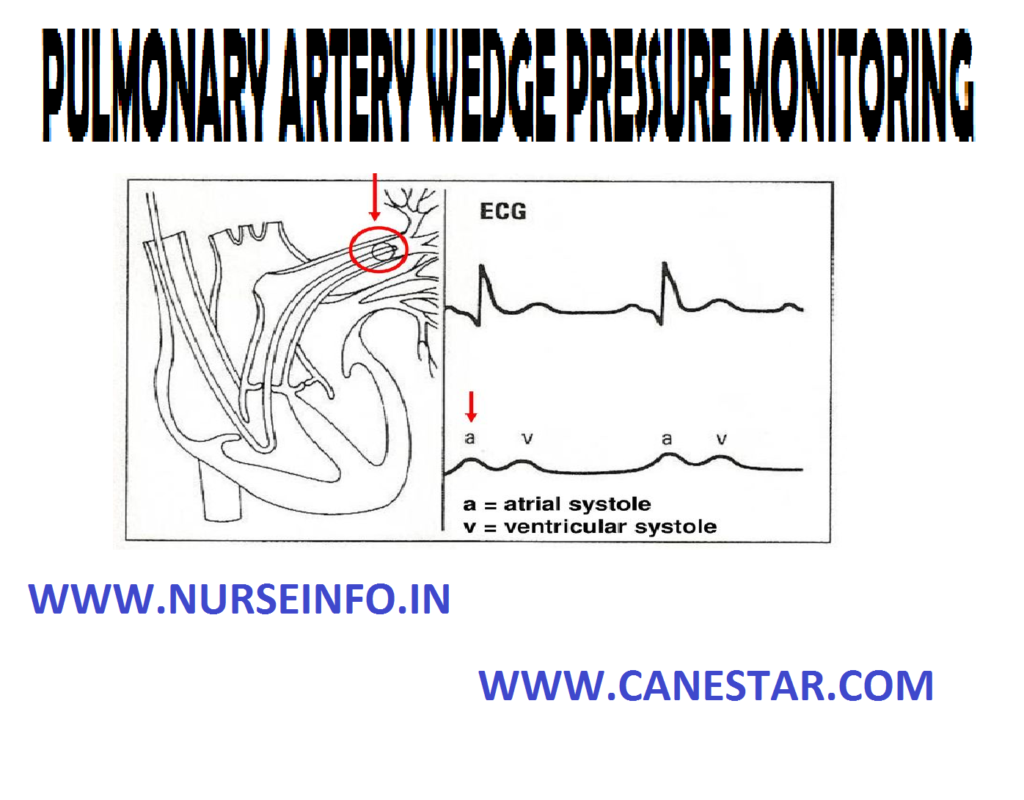
PULMONARY ARTERY WEDGE

PULMONARY ARTERY WEDGE – PRESSURE MONITORING – Definition, Purpose, Principle, Client and Equipment Preparation, Equipment, Procedure, Checking a PAWP Reading, Removing the Catheter, Special Consideration and Complications (NURSING PROCEDURE)

In August of 1970 Dr. HJC Swan, Dr. William Ganz et al. reported their results on use of a new flow-guided balloon-tipped catheter to measure pulmonary pressure in the critically ill client. At this time their discovery was a flexible double-lumen catheter capable of being inserted without fluoroscopy via the antecubital vein

Now, the most the critical care nurses commonly are utilizing a four lumen pulmonary catheter to monitor different parameters of cardiac function. In addition to values displayed on the bedside monitor, e.g. pulmonary artery systolic, diastolic, and mean and wedge artery pressures. The four lumen catheter enables the nurse to perform cardiac output determinations at the bedside by thermo-dilution method

DEFINITION

  • Swan-Ganz is a balloon tipped, flow directed catheter used to monitor pulmonary artery pressure. It implies measuring in a distal branch of pulmonary artery with the catheter in the wedged position, so that the measurements recorded reflects left arterial pressure
  • Pulmonary artery wedge pressure monitoring implies pressure in a distal branch of pulmonary artery with the catheter in the wedged position, so that the measurements recorded reflects left arterial pressure. This recorded using a balloon tipped, flow directed catheter called Swan-Ganz catheter

PURPOSE

  • To measure cardiac output by themodilution method
  • To obtain blood samples from the heart and pulmonary artery
  • To monitor the hemodynamic pressures provides information about blood volume, fluid balance and how well the heart is pumping
  • To measure direct pressure in the right atrium, right ventricle, pulmonary artery and distal branches of pulmonary artery
  • To infer the pressure in the left atrium and the filling pressure of the left ventricle
  • To serve as a guide for fluid management
  • To evaluate the successes of the drug therapy

PRINCIPLE

  • The pulmonary artery wedge pressure is closely related to the left arterial pressure since there are no values in the pulmonary veins
  • Left arterial pressure is closely related to the left ventricular end diastolic (filling pressure of the left ventricle)
  • When the catheter is wedged, it looks directly into the left side of the heart and is not influenced by the pressure in the pulmonary artery
  • Pulmonary capillary wedge pressure is an indicator of the left ventricular function
  • Continuous pulmonary artery pressure and intermittent pulmonary artery wedge pressure measurement provide important information about left ventricular function are preload

CLIENT AND EQUIPMENT PREPARATION

  • Explain the procedure in simple words to the client and relatives to reduce anxiety
  • Obtain informed consent
  • To obtain reliable pressure values and clear waveform, the pressure monitoring system and bedside monitoring must be properly calibrated and zeroed
  • Make sure the monitor has correct pressure modules; then calibrate it according to the manufacturer’s instructions
  • Turn the monitor on before gathering the equipment to give it time to warm up
  • Be sure to check the operations manual for the monitor you are using; some old monitor needs 20 minutes to warm up
  • Prepare the pressure monitoring system according to policy. Your faculty’s guidelines also may specific whether to mount the transducer on the IV pole or tape it to the client and whether to add heparin to the flush
  • Make sure to have emergency resuscitation equipment on hand (defibrillator, oxygen and supplies for intubation and emergency drug administration)

EQUIPMENT

  • Balloon tipped, flow directed PA catheter
  • Prepared pressure transducer system
  • Alcohol sponges
  • Medication added label
  • Monitor and monitor cable
  • IV pole with transducer mount
  • Emergency resuscitation equipment
  • Electrocardiogram monitor
  • ECG electrodes
  • Arm board (for antecubital insertion)
  • Lead aprons
  • Sutures
  • Sterile 4”/4” gauze pads or other dry, occlusive dressing material
  • Prepacked introducer kit
  • Optional: dextrose 5% in water, shaving materials (for femoral insertion site)

If a prepacked introducer kid is unavailable, obtain the following

  • An introduce (one size larger than the catheter)
  • Sterile tray containing instruments for procedure
  • Masks
  • Sterile gowns
  • Sterile gloves
  • Povidone-iodine ointment and solution
  • Solution
  • Sutures
  • Two 10 ml syringes
  • Local anesthetic agents (lignocaine 2%)
  • One 5 ml syringe
  • 25 G needle
  • 1” and 3” tape

PROCEDURE

  • Check the client’s chart for heparin sensitivity, which contraindicates adding heparin to the flush position
  • Position the client at the proper height and angle, if the doctor will use a superior approach for precutenous insertion
  • Place the client flat or in a slight trendelenburg position, remove the client’s pillow to help engorge the vessel and prevent air embolism
  • Turn his head to the side opposite the insertion site
  • If the doctor will use an inferior approach to access a formal vein, position the client flat, be aware that with this approach, certain catheters are harder to insert and may require more manipulation
  • Maintain aseptic technique and use standard precautions throughout catheter preparation and insertion
  • Wash hands, then clean the insertion site with a povidone-iodine solution and drape it
  • Put on a mask, help the doctor put on a sterile masks, gloves and gown
  • Open the outer packing of the catheter, revealing the inner sterile wrapping. Using aseptic technique, the doctor open the inner wrapping and pick up the catheter
  • To remove air from the catheter and verify its patency, flush the catheter
  • Assist the doctor as he inserts the introducer to access the vessel. He may perform a cut down or insert the catheter percutenously, as with a modified Seldinger technique
  • After the introducer is placed and the catheter lumens are flushed, the doctor inserts the catheter through the introducer in the internal jugular or subclavian approach, he inserts the catheter into the end of the introducer sheath with the balloon deflated, directing the curl of the catheter toward the client’s midline
  • Using a gentle, smooth motion, the doctor advances the catheter through the heart chambers, moving rapidly to the pulmonary artery because prolonged manipulation here may reduce catheter stiffiness
  • As the catheter floats into the pulmonary artery, note that the upstroke from right ventricular systole is smoother and systolic pressure is nearly the same as right ventricular systolic pressure
  • Record systolic, diastolic and mean pressure (typically ranging from 8 to 15 mm Hg)
  • To obtain a wedge tracing, the doctor lets the inflated balloon float downstream with venous blood flow to a smaller, more distal branch of the pulmonary artery
  • Conform the catheter position by obtaining chest X-ray
  • Apply a sterile occlusive dressing to the insertion site

CHECKING A PAWP READING

  • PAWP is recorded by inflating the balloon and letting it float in a distal artery
  • To begin, verify that the transducer is properly leveled and zeroed
  • Take the pressure reading at end expiration. Note the amount of air needed to change the PA tracing to a wedge tracing (normally 1.25-1.5 cc)

REMOVING THE CATHETER

  • To assist the doctor, inspect the chest X-ray for sign of catheter kinking or knotting
  • Obtain the client’s baseline vital signs and note the ECG pattern
  • Place the head end flat, the doctor will remove any sutures securing the catheter
  • If the introducers were removed, apply pressure to the site and check it frequently for signs of bleeding. Dress the site again, as necessary

SPECIAL CONSIDERATION

  • Advise the client to use caution when moving about in bed to avoid dislodging the catheter
  • Never leave the balloon inflated because this may cause pulmonary infarction. To determine if the balloon is inflated, check the monitor for a wedge tracing, which indicates inflation
  • Never inflate the balloon with more than the recommended air volume
  • Be aware that the catheter may slip back into the right ventricle. Because the tip may irritate the ventricle, check the monitor for a right ventricle waveform to detect this problem promptly
  • To minimize vascular trauma, make sure the balloon is inflated whenever the catheter is withdrawn from the pulmonary artery to the right ventricle or from the right to the right atrium

COMPLICATIONS

Complications of PA catheter insertion include PA perforation, pulmonary infarction, catheter knotting, local or systemic infection, cardiac arrhythmias and heparin-induced thrombocytopenia

PULMONARY ARTERY WEDGE - PRESSURE MONITORING – Definition, Purpose, Principle, Client and Equipment Preparation, Equipment, Procedure, Checking a PAWP Reading, Removing the Catheter, Special Consideration and Complications  (NURSING PROCEDURE)
PULMONARY ARTERY WEDGE – PRESSURE MONITORING – Definition, Purpose, Principle, Client and Equipment Preparation, Equipment, Procedure, Checking a PAWP Reading, Removing the Catheter, Special Consideration and Complications (NURSING PROCEDURE)

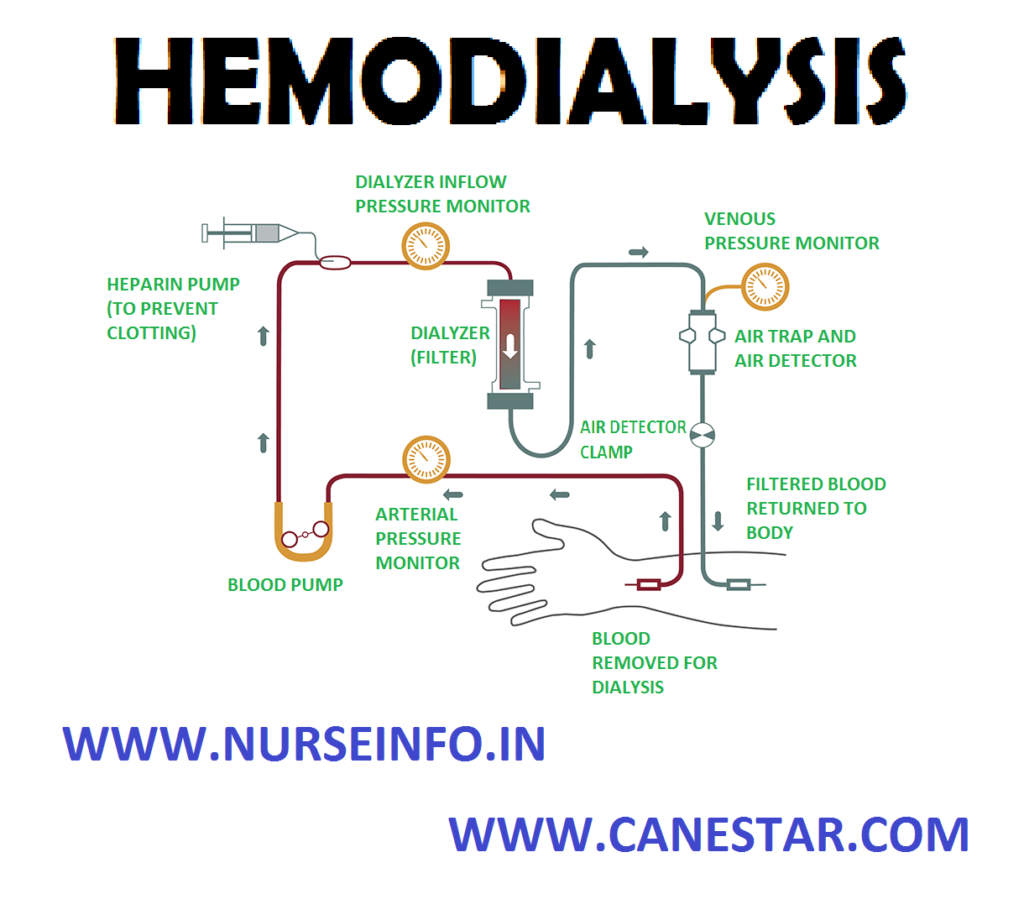
HEMODIALYSIS

HEMODIALYSIS – Definition, Indications, Equipment, Preparation of Double Lumen Catheter for Dialysis, Preparation for AV Shunts for Diathesis, Equipment Needed after the Procedure, For AV Fistula, For AV Shunt, Preparation of Equipment, Sites for Hemodialysis, Mechanism of hemodialysis, Types of Dailyzers, Systems Used in Delivering Dialysate, Nursing Care, Role of Nurse in Care of Patient on Hemodialysis with Double Lumen catheter, Post-procedure Care, Nursing Alert and Complications (NURSING PROCEDURE)

DEFINITION

It is defined as the lifesaving procedure in which the toxic waste, removed from the blood through purifying dialyzer and the purified blood return back to the body through arteriovenous fistula

INDICATIONS

  • Patients with acute reversible renal failure
  • For regular long-term treatment of patient with chronic end-stage renal disease
  • Acute poisoning, such as barbiturate or analgesic overdose

EQUIPMENT

Preparation of hemodialysis Machine

  • Hemodialysis with appropriate dialyzer
  • IV solution, administration set, lines, IV pole
  • Dialysate
  • Injection heparin, 3 ml syringe with needle, medication label, and hemostats

PREPARATION OF DOUBLE LUMEN CATHETER FOR DIALYSIS

  • Povidone-iodine sponges
  • Two sterile 4” multiply 4” gauze pads
  • Two 3 ml and two 5 ml syringes
  • Tape
  • Injection heparin bolus syringe
  • Clean gloves

The hemodialysis blood circuit: a dialysis machine pumps blood from the patient, through disposable tubing, through a dialyser, or artificial kidney, and back into the patient. Waste solute, salt and excess fluid is removed from the blood as it passes through the dialyser

PREPARATION FOR AV FISTULA FOR DIALYSIS

  • Two winged fistula needles (each attached to 10 ml syringe filled with heparin flush solution)
  • Linen-saver pad
  • Povidone-iodine sponges
  • Sterile 4” multiply 4” gauze pads
  • Tourniquet
  • Clean gloves
  • Adhesive tapes

PREPARATION FOR AV SHUNTS FOR DIATHESIS

  • Sterile 4” multiply 4” gauze pad
  • Povidone-iodine sponge
  • Alcohol sponge
  • Sterile gloves
  • Two sterile shunt adapters
  • Sterile Teflon connectors
  • Two bull dog clamps
  • Two 10 ml syringes
  • Normal saline solution
  • Four short strips of adhesive tapes
  • Sterile shunt spreader

EQUIPMENT NEEDED AFTER THE PROCEDURE

For Double Lumen Catheter

  • Sterile 4” multiply 4” gauze pad
  • Povidone-iodine sponges
  • Precut gauze dressing
  • Clean sterile gloves
  • Normal saline solution
  • Alcohol sponge
  • Heparin flush solution
  • Leur-lock injection caps
  • Transparent occlusive dressing, tape, skin barrier preparation, materials for culturing drainage

FOR AV FISTULA

  • Clean gloves
  • Sterile 4” multiply 4” gauze pads
  • Two adhesive bandages
  • Hemostat
  • Sterile absorbable gelatin sponge

FOR AV SHUNT

  • Sterile gloves
  • Two bull dog clamp
  • Two hemostat
  • Povidone-iodine solution
  • Sterile 4” multiply 4” gauze pads
  • Alcohol sponges
  • Elastic gauze bandage

PREPARATION OF EQUIPMENT

  • Maintain strict aseptic technique to prevent the introduction of infection into the bloodstream
  • Test the dialyzer and the dialysis machine for residual disinfectant after rinsing
  • Test all the alarms

SITES FOR HEMODIALYSIS

  • Subclavian vein catheterization: using the Seldinger technique surgeon introduces the needle into subclavian vein then inserts a guidewire through the introducer needle and then removes the needle
  • Using the guide wire thread 5” – 12” (12-30 cm) plastic or Teflon catheter (with a Y hub) into the patient’s vein
  • Femoral vein catheterization: using the Seldinger technique surgeon introduces the needle into the left or right femoral vein. Then insert a guide wire through introducer needle and remove the needle. Using the guide wire then thread a 5” -12” plastic or Teflon catheter with a Y tub or two catheters one for inflow and another place about ½” (1.3 cm) distal to the first for outflow
  • Arteriovenous fistula: to create fistulas make an incision into the patient’s wrist or lower forearm then a small incision into the side of the artery and another side of a vein, then suture the edges of the incisions together to make a common opening 3-7 mm long
  • Arteriovenous shunt: to create a shunt makes a incision in the patient’s wrist, lower forearm, or an ankle. Then insert 6” -10” (15-25 cm) transparent silastic cannula into an artery and another into a vein. Finally, tunnel the cannulas out through a stab wound and join them with a piece of a Teflon tubing
  • Arteriovenous graft: to create a graft makes an insertion in the patient’s forearm, upper arm or thigh. Then tunnel a natural or synthetic graft under the skin and suture the distal end to an artery and proximal end to a vein

MECHANISM OF HEMODIALYSIS

  • In hemodialysis the blood flows from the patient to an external dialyzer (artificial kidney) through an arterial assess site
  • Inside the dialyzer the blood and the dialysate flow counter currently divided by a semipermeable membrane, the composition of the dialysate resembles normal extracellular fluid
  • Blood contains excess of specific solutes and dialysate contains electrolytes that may be at abnormal level in the patient’s blood stream
  • The dialysate electrolyte composition can be raised or lowered depending on the need
  • Excretory function an electrolyte hemostasis area achieved by diffusion, the movement of molecule across the dialyzer’s semipermeable membrane from an area of higher solute concentration to an area of lower concentration
  • Water (solvent) crosses the membrane from the blood into a dialysate by ultrafiltration. This process removes excess water, waste products and other metabolites through osmotic pressure and hydrostatic pressure
  • Osmotic pressure is the movement of water across the semi permeable membrane from an area of lesser solute concentration to greater solute concentration
  • Hydrostatic pressure focus the water from the blood compartment into the dialysate compartment, cleaned from impurities and in excess water the purified blood returns to the body through a venous site

TYPES OF DIALYZERS

There are three types of dialyzers which are as follows:

  1. Hollow fiber dialyzer: this is most common type contains fine capillaries with semipermeable membrane enclosed in a plastic cylinder. Blood flows through these capillaries as the system pumps dialysate in an opposite direction on the outside of the capillaries
  2. Flat-plate or parallel flow plate dialyzer: it has two or more layer of semipermeable membrane bound by a semi rigid or rigid structure. Blood ports are located at both ends between the membranes, and dialysate flows in opposite direction along the outside of the membranes
  3. Coil dialyzer: it consists of one or more semipermeable membrane tubes supported by a mesh and wrapped concentrically around a central core. Blood passes through a coil as the dialysate circulates at a high speed around the coil and the mesh work. Heparin is used to prevent clot formation during dialysis

SYSTEMS USED IN DELIVERING DIALYSATE

Three system types: there are three system types used to deliver the dialysate.

  1. Batch system: it uses reservoir for recirculating dialysate
  2. The regenerative system: it uses sorbets to purify and regenerate recirculating dialysate
  3. The proportioning system: it mixes the concentrate with water to form a dialysate which then circulates through the dialyzer and goes down a drain after a single pass followed by a fresh dialysate

NURSING CARE

  • Weigh the patient
  • Record the vital signs and blood pressure in sitting and standing position
  • Auscultate heart for rate rhythm and abnormalities
  • Observe respiratory rate rhythm and quality
  • Assess the edema
  • Check the mental status and condition of patency in the access site
  • Check the last date of dialysis and evaluate the previous lab data
  • Place the patient in a comfortable position supine or sitting in a recliner chair with feet elevated. Make sure the site is well supported and resting on a clean drape
  • Explain the procedure to the patient if the patient is undergoing the hemodialysis for the first time
  • Use standard precaution in all cases to prevent the transmission of infection
  • Wash the hand before and after the procedure

ROLE OF NURSE IN CARE OF PATIENT ON HEMODIALYSIS WITH DOUBLE LUMEN CATHETER

  • Wash the hands
  • Prepare venous access
  • Clamp the tubing to prevent the air entry into the catheter
  • Clean each catheter extension tube clamp and luer-lock injection cap with povidone-iodine sponge to remove the contaminants
  • Place a sterile 4” multiply 4” gauze pad under the extension tubing and place two 5 ml syringe and two sterile gauze pads on the drape
  • Prepare the anticoagulant regimen as ordered
  • Identify the arterial and venous blood lines and replace them near the drape
  • Remove clothes and ensure the catheter patency, remove the catheter cap and attach syringe to each catheter port, open one clamp and aspirate 1.5-3 ml of blood
  • Close the clamp and repeat the procedure with other port
  • Flush each port with 5 ml of heparin flush solution
  • Attach bloodline to patient access, remove the syringe from the arterial port, attach the line to arterial port, and administer heparin according to the protocol which prevents extracorporeal circuit
  • Grasp venous bloodline and attach to venous port, open the clamp on extension tubing and secure the tubing to patient’s extremity with a tape to reduce the tension on the tube and minimize the trauma in the insertion site, begin the hemodialysis according to the unit protocol

POST-PROCEDURE CARE

  • Wash your hands
  • Clamp the extension tubing to prevent air entry
  • Clean all connection point on the catheter and bloodlines as well as clamps to reduce the risk of systemic or local infections
  • Place a clean drape under the catheter and to sterile 4” multiply 4” gauze pad on the drape beneath the catheter lines, soak the pad with povidone-iodine solution and then prepare the catheter flush solution with normal saline or heparin flush solution as ordered
  • Put clean gloves. Grasp each bloodlines with a gauze pad and disconnect each line from the catheter
  • Flush each port with a saline solution to clean the extension tubing and the catheter of blood, administer additional heparin flush solution as ordered to ensure catheter patency then attach a luer-lock cap to prevent entry of air or loss of blood
  • Clamp the extension tubing
  • Hemodialysis is complete redress the catheter in the insertion site also redresses if occluded or soiled
  • Position the patient in supine with his face turned away from the insertion site
  • Wash your hand and remove the outer occlusive dressing, put on the sterile gloves. Remove the old inner dressing and discard the gloves and the inner dressing
  • Set up a sterile field and absorb the site for drainage
  • Obtain a drainage sample for culture
  • Notify the doctor if the suture is missing
  • Put on a sterile glove and clean the insertion site with a alcohol sponge and then clean the site with povidone-iodine sponge and allow to air dry
  • Put a precut gauze dressing over the insertion site and under the catheter and place another gauze dressing over the catheter
  • Apply a skin barrier preparation to the skin surrounding the gauze dressing, cover the gauze and catheter with a transparent occlusive dressing
  • Apply 4 or 5 piece of two inch tape over the cut edge of the dressing to reinforce the over edge

ROLE OF NURSE IN CARE OF PATIENT ON HEMODIALYSIS WITH AN ALL FISTULAS

  • Flush the fistula needles using attached syringe containing heparin flush solution
  • Place a Mackintosh under the patient’s arm
  • Using aseptic technique clean the area of the skin over the fistula with povidone-iodine sponge (3” multiply 10”)
  • Discard each pad after one wipe
  • Apply the tourniquet above the fistula to distant the vein and facilitate the venous puncture
  • Put on clean gloves; perform a venous puncture with a fistula needle
  • Remove the needle guard and squeeze the wing tip firmly together
  • Insert arterial needle at least one inch above the anastomosis, be careful not to puncture the fistula
  • Release the tourniquet and flush the needle with heparin
  • Clamp the arterial needle with hemostat and secure the wing tip of the needle with adhesive tape
  • Allow the tubing to air dry
  • Put on the sterile gloves
  • Clamp the arterial side of the shunt with building clamp and also the venous site, when the shunt is open
  • Open the shunt by separating its side with your finger
  • Both side of the shunt should be exposed
  • Adapt the shunt to the lines of the machine. attach a shunt adapter and 10 ml syringe filled with 8 ml of normal saline to the side of the shunt containing Teflon connector
  • Attach a new Teflon connector to another side of the shunt with second adapter; attach it also with 10 ml syringe filled with 8 ml of normal saline to the same side
  • Next flush the shunt arterial tubing by releasing the clamp and aspirate the saline solution, and then flush the tubes slowly repeat the procedure on the venous site
  • Secure the shunt to the adapter with the adhesive tape
  • Connect the arterial and venous line to the adapter

POST-PROCEDURE FOR AV

  • Wash the hands
  • Turn the blood pump on the hemodialysis machine to 50-100 ml per minute
  • Put sterile glove and remove the tape from the connection site of the arterial lines
  • Clamp the arterial cannula with the bull dog clamp and then disconnect the lines
  • Blood in the arterial line will continue to flow toward the dialyzer followed by a column of air, just before the blood reaches the point where the saline solution enters the line clamp the blood line with another hemostat
  • Unclamp the saline solution and allow small amount to flow through the line
  • Unclamp the hemostat on machine line, just before the last volume of blood enters the patient clamp the venous cannula with bull dog clamp and machines venous lines with hemostat
  • Remove the tape from connection site of venous line
  • Turn off the blood pump and disconnect the lines
  • Reconnect the shunt cannula, remove older two Teflon connectors and discard, connect the shunt and take care that position of the Teflon connector is equal between the two cannula
  • Remove the bull dog clamps
  • Secure the shunt connection with hypoallergenic tape
  • Clean the shunt and the site with gauze pads soaked in povidone-iodine solution
  • Make sure the blood flow through the shunt adequately
  • Apply the dressing to the shunt site and wrap it securely with elastic gauze bandage
  • Attach the bull dog clamps to the outside dressing
  • When the hemostat is complete check the vital signs and the mental status
  • Compare the findings with the predialysis assessment data
  • Document the finding
  • Disinfect and rinse the delivery system

NURSING ALERT

  • Follow aseptic technique throughout the procedure
  • Report immediately any machine malfunction and keep it ready for use at any time
  • Avoid unnecessary handling of shunt tubing
  • Inspect the shunt for patency, check for any clots, serum, cell separation and temperature of the silastic tubing
  • Check the shunt insertion site for signs of infection (purulent drainage, inflammation and tenderness)
  • Check for any shunt insertion site is exposed
  • Check for any bleeding after removing the AV fistula needle, if bleeding persist soak the sponge and apply thrombin solution
  • Monitor patient’s vital signs carefully and blood pressure every 15 minutes
  • Check the weight of the patient before and after the procedure
  • Check the clotting time of patient’s blood sample and sample from the dialyzer periodically
  • Ensure the patient receives light meals during procedure

COMPLICATIONS

  • Hyperpyrexia
  • Dialysis disequilibrium syndrome (headache, nausea, vomiting, restlessness, hypertension, muscle cramp, backache, and seizures)
  • Hypovolemia and hypotension
  • Hyperglycemia and hypernatremia
  • Cardiac arrhythmias
  • Angina
  • Reduce toxins, air embolism, chest pain, dyspnea coughing and cyanosis
  • Hemolysis (chest pain, dyspnea, cherry red blood, hyperkalemia)
HEMODIALYSIS – Definition, Indications, Equipment, Preparation of Double Lumen Catheter for Dialysis, Preparation for AV Shunts for Diathesis, Equipment Needed after the Procedure, For AV Fistula, For AV Shunt, Preparation of Equipment, Sites for Hemodialysis, Mechanism of hemodialysis, Types of Dailyzers, Systems Used in Delivering Dialysate, Nursing Care, Role of Nurse in Care of Patient on Hemodialysis with Double Lumen catheter, Post-procedure Care, Nursing Alert and Complications (NURSING PROCEDURE)

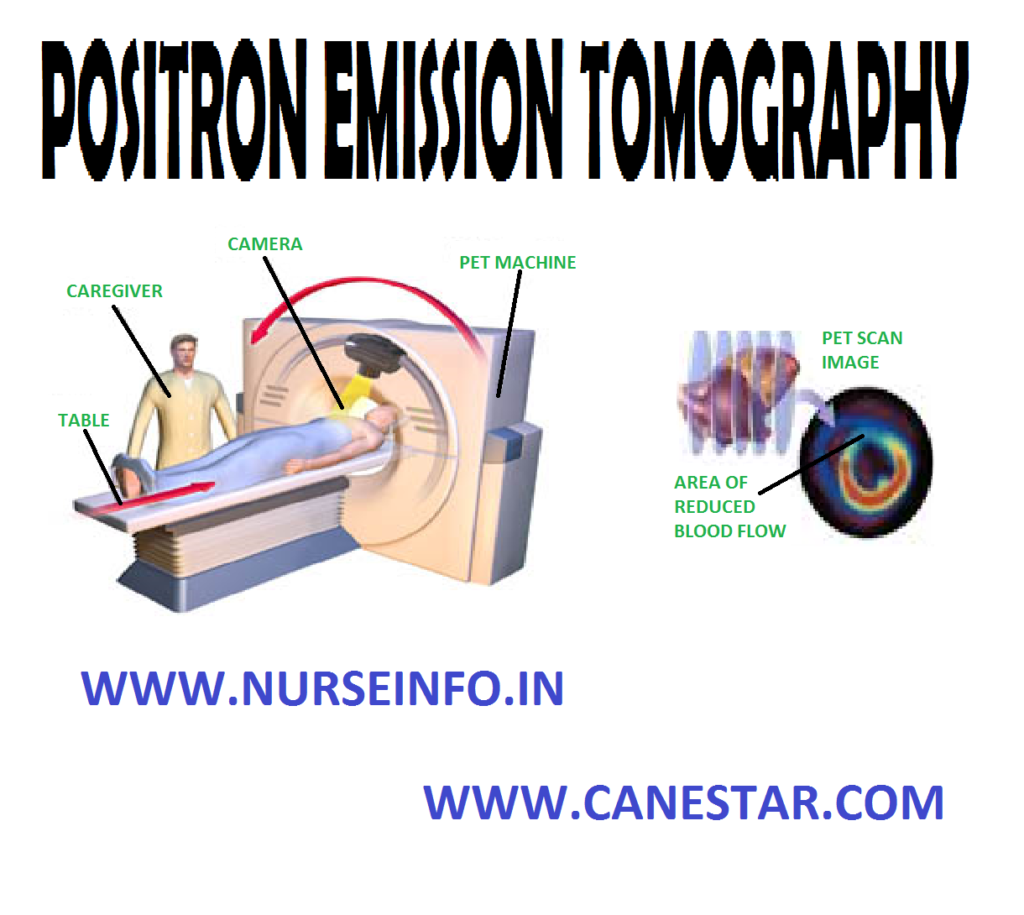
POSITRON EMISSION TOMOGRAPHY 1

POSITRON EMISSION TOMOGRAPHY – Indications, Client Preparation and During Test (NURSING PROCEDURE)

The positron emission tomography (PET) scanner is a diagnostic imaging tool that allows visualization of regional physiologic function and biochemical changes that often separate normal from diseased myocardium. Cellular metabolic information is obtained by mapping regional myocardial glucose metabolism. Combining information from the perfusion and metabolism images provides a thorough assessment of regional cardiac viability

INDICATIONS

  • Detection of coronary artery disease
  • Assessment of myocardial viability
  • Assessment of progression of coronary artery stenosis
  • Documentation of collateral coronary artery circulation
  • Differentiation of ischemia from dilated cardiomyopathy

CLIENT PREPARATION

  • Ask the client if there is any history to iodine or shellfish or of allergic reaction to dye or contrast material used in a previous X-ray study
  • Explain the procedure to the client and obtain written consent from the client or person legally designated to make care decisions for the client
  • If contrast medium is to be used, instruct the client to discontinue all food and fluids for 4-8 hours before the test
  • Instruct the client to remove all clothes, jewelry and other metal objects. A hospital gown is worn
  • Provide appropriate orientation and reassurance so that fear of the unknown is diminished. Many clients feel some degree of apprehension as they enter the enclosed space of the machine. The scan itself is painless

DURING TEST

  • Instruct the client to remain motionless while in the scanner and hold his or her breath when instructed to do so
  • Keep an emesis basin in a nearby area in case the client vomits
POSITRON EMISSION TOMOGRAPHY – Indications, Client Preparation and During Test (NURSING PROCEDURE)

POSITRON EMISSION TOMOGRAPHY

POSITRON EMISSION TOMOGRAPHY – Definition, Purposes, Principle, Instructions, Preparation of the Client, Procedure, After Care, Advantages and Disadvantages (NURSING PROCEDURE)

Positron emission tomography (PET) was developed in 1970’s, it is a noninvasive technique that is useful in studying biochemical and physiological function in a living organism such as glucose uptake and metabolism, oxygen uptake and cerebral blood flow pattern

DEFINITION

  • Positron emission tomography scanning is a type of radioactive substance is introduced into the body to assess structure and functions of tissues
  • Positron emission tomography is a computer-based nuclear imaging technique that can produce pictures of actual organ functioning. The patient either inhales a radioactive gas or is injected with a radioactive substances that emits positively charged particles

PURPOSE

  • To study heart and brain
  • To locate the origin of epileptic activity in the brain
  • To detect coronary artery disease
  • To assess myocardial viability
  • To assess the progress of coronary artery stenosis
  • To differentiate ischemia and dilated cardiomyopathy
  • To measure cerebral blood flow and cerebral glucose metabolism
  • To chart the progress of Alzheimer’s disease, Parkinson’s disease, head injury, schizonphrenia and manic depressive illness

PRINCIPLES OF PET

  • The technology is based on the use of an online cyclotron (electromagnetic machine) and positron emitting radionuclide is created
  • The patient inhales or injected with a compound that has been labeled with a positron emitting nuclide ‘tag’ (often carbon 11) once inside the body, the compound selected concentrates in the area of clinical interest and emits positrons that reacts with electrons producing gamma rays of specific energy
  • A special scanners detects the gamma rays and encodes the data into a computer which reconstructs cross-sectional images of the tissue containing the labeled compound

GENERAL INSTRUCTIONS

  • Explain the procedure to the patient clearly
  • Client is asked to fast 4 hours prior to the scan
  • Check the blood sugar if it is below 150 g/dL for diabetic

PREPARATION OF THE CLIENT

  • Explain the procedure to the patient
  • Check if the client had food within 4 hours prior to the procedure
  • Maintain NPO for 6 to 12 hours before the procedure
  • Check the blood sugar of the client
  • No glucose solution, intravenous should be used
  • Ask the client to empty the bladder prior to the procedure since it is for 2-3 hours

PROCEDURE

  • After 6-12 hours of nothing per oral, the client is placed on a stretcher in the imaging center and prepared
  • An arterial line may be inserted to draw blood samples for measurement of cerebral metabolic rate
  • The radio pharmaceutical agent of choice is injected via venous access
  • The patient rests quietly in a dimly lighted room for about 45 minutes while uptake of the drug occurs
  • If the blood sample is required, it is drawn quietly without disturbing the environment
  • The scanning procedure takes 45 minutes; the entire procedure takes about 2-3 hours

AFTER CARE

  • Check the vital signs and record
  • After completion of the study, fluids should be encouraged to clear the radioisotopes from the body

ADVANTAGES

Images through the procedure are very clear in comparison to the conventional scans

DISADVANTAGES

  • It is an expensive study
  • Online-cyclotron equipment is found only in a few major research centers
  • It is used for diagnostic purposes for only a limited number of clients
POSITRON EMISSION TOMOGRAPHY – Definition, Purposes, Principle, Instructions, Preparation of the Client, Procedure, After Care, Advantages and Disadvantages (NURSING PROCEDURE)

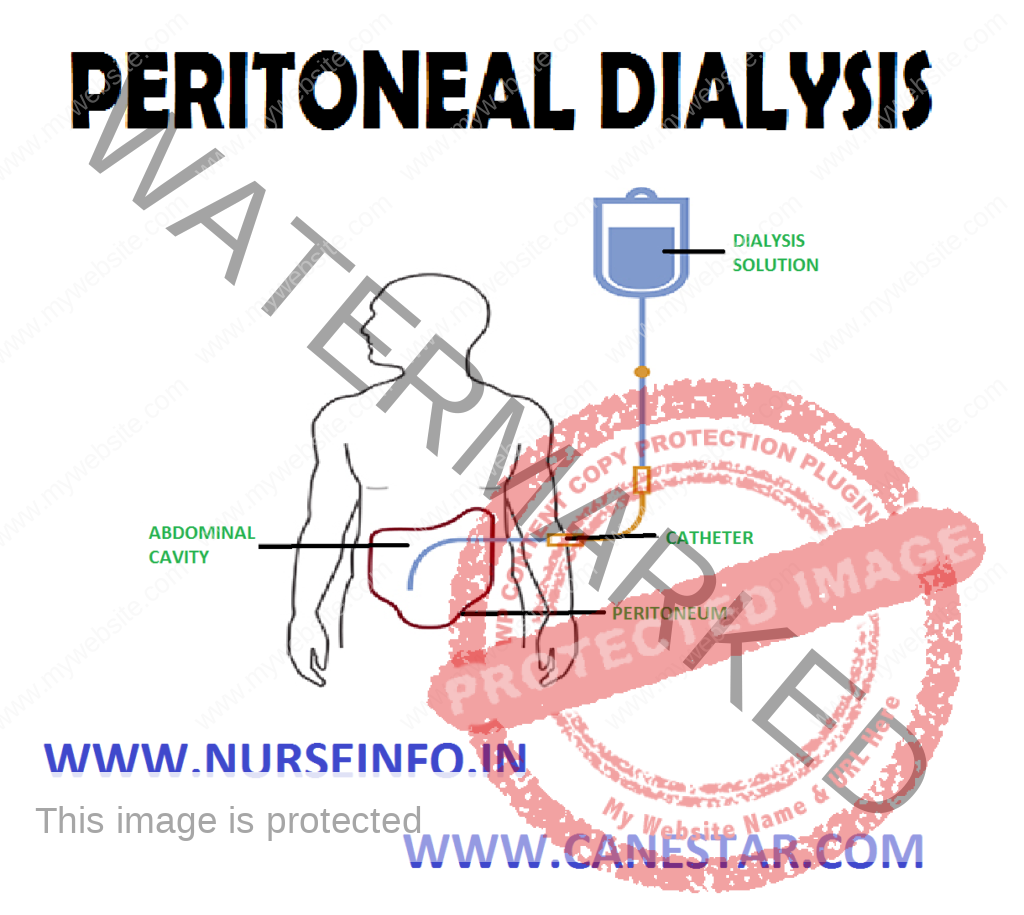
PERITONEAL DIALYSIS

PERITONEAL DIALYSIS – Definition, Purpose, Indications, Advantage, Principles, Types, Advantages, Preparation of the Patient and Environment, Equipment, For Dressing Changes, Procedure and Complications (NURSING PROCEDURE)

DEFINITION

Peritoneal dialysis involves repeated cycles of instilling dialysis into the peritoneal cavity, allowing time for substance exchange, and then removing the dialysate

PURPOSE

  • To remove the end products of protein metabolism such as urea and creatinine from the blood
  • To maintain the safe concentration of seroelectrolytes
  • To correct acidosis and replenish the bloods bicarbonate buffer system
  • To remove excess fluid from the blood

INDICATIONS

Peritoneal dialysis is indicated for patients with:

  • Chronic renal failure
  • Cardiovascular instability
  • Vascular access problems that prevent hemodialysis, fluid overload or electrolyte imbalance
  • It has been used for overdose of drugs and toxins

ADVANTAGES

  • One of the primary advantages of peritoneal dialysis is its relative indication which allows it to be used in community healthcare facilities without all the sophisticated equipment needed for dialysis
  • It can be easily managed at home and often provide the client more independent and mobility and hemodialysis

PRINCIPLES OF PERITONEAL DIALYSIS

Diffusion: in diffusion, particles move through a semi-permeable membrane from an area of high-solute concentration to an area of low solute concentration

In peritoneal dialysis, the water-based dialysate being infused contains glucose, sodium chloride, calcium, magnesium, acetate or lactate and no waste products

Therefore, the waste products and excess electrolytes in the blood cross in the semi-permeable peritoneal membrane into the dialysate

Osmosis: in osmosis the fluids move through a semi-permeable membrane from an area of low solute concentration to an area of high solute concentration

In peritoneal dialysis dextrose is added to the dialysate to give it a higher solute concentration, then the blood, creating a high osmotic gradient

Water migrates from the blood through the membrane at the beginning of each infusion which the osmotic gradient is highest

TYPES OF PERITONEAL DIALYSIS

Continuous Abdominoperitoneal Dialysis (CAPD)

  • The dialysate is instilled into the abdomen and left in the place for 4-8 hours
  • The empty dialysate back is folded up and carried in a pouch or packet, until it is time to drain the dialysate
  • The bag is later unfolded and placed lower than the insertion site, so the fluid drains by gravity flow
  • When full the bag is changed, the new dialysate is instilled into the abdomen as the process continues

ADVANTAGES

  • Because there is no need for electricity, water. The client can go about almost any desired activity during dialysis
  • Because the continuous exchange process closely resembles normal renal function, the body more easily maintains homeostasis

Continuous Cycle Peritoneal Dialysis (CCPD)

  • CCPD is similar to CAPD in that it is a continuous dialysis processes but different in that it requires a peritoneal cycling machine
  • In this procedure, usually three cycles are done at night and one cycle within an 8 hours well done in the morning

Advantage

The advantage of this procedure is that the peritoneal catheter is opened only for the on and off procedures, which reduces the risk of infection

Intermittent Peritoneal Dialysis (IPD)

  • IPD is not a continuous dialysis procedure like CAPD and CCPD
  • Dialysis is performed 10-14 hours 3-4 times a week with use of same peritoneal cycling machine as in CCPD. Hospitalized patients may be dialysate up to 24-48 hours at a time if they are catabolic and require additional dialysis time

Contraindications

  • Hypercatabolism, in which the peritoneal dialysis is unable to adequate the clear uremic toxins and poor condition of the peritoneal membrane due to adhesions and scaring
  • Certain other conditions may be relative contra-indications to peritoneal dialysis. These include obesity, history of rupture diverticula, abdominal diseases, respiratory disease, recurrent episodes, abdominal malignancies, severe vascular diseases and extensive abdominal surgery with drains in tubes that may increase risk of infections

PREPARATION OF THE PATIENT AND ENVIRONMENT

  • Bring all equipment into patient’s bedside
  • Make sure the dialysis stat is at body temperature
  • Explain the procedure to the patient. Assist and record vital signs, weight and abdominal girth to establish baseline levels
  • Review recent laboratory values (blood urea, nitrogen, serum creatinine, sodium, potassium do complete blood counts). Identify the patient’s hepatitis b virus and human immunodeficiency virus if known
  • Have the patient try to urinate
  • Place the patient in the supine position, and have him put on one of the sterile face mask
  • Informed concern must be obtained
  • Baseline weight vital signs and blood chemistry provide important data for late comparison
  • Mild sedation may be provided

EQUIPMENT

Catheter Placement and Dialysis

  • Warmer heating pad or water bath
  • At least three face masks
  • Dialysis administration
  • Two pairs of sterile gloves
  • Vial of 1%
  • Povidone-iodine pads
  • Fenestrated sterile drape
  • The 3 ml syringe with 25 G 1” needle
  • Peritoneal stylet
  • Sutures or hypoallergic tape
  • Precut drain dressings
  • Protective cap for catheter
  • Precut drain dressings
  • Protective cap for catheter

FOR DRESSING CHANGES

  • One pair of sterile gloves
  • Ten sterile cotton tipped applicators or sterile 2” multiply 2” gauze pads
  • Povidone-iodine ointment
  • Two sterile 4” multiply 4” gauze pads

PROCEDURE

  • Wash your hands
  • Inspect the warmed dialysate which should appear clear and colorless
  • Put on a sterile face mask. Prepare to add any prescribed medication to the dialysate
  • Prepare the dialysis administration set
  • Close the clamps on all lines. Place the drainage bag below the patient to facilitate gravity drainage
  • At this point the doctor puts on a mask and a pair of sterile gloves. He cleans the patient’s abdomen with povidone solution and drapes it with a sterile drape
  • Wipe the stopper of the lidocaine vial with povidone iodine and allow it to dry. Invert the vial and hand it to the doctor so he can withdraw the lidocaine, using the 3ml syringe with the 25 C 1” needle
  • The doctor anesthetizes a small area of the patient’s abdomen below the umbilicus. He then makes a small incision with the scalpel, inserts the catheter and sutures or tapes the catheter in place
  • If the catheter is already in place, clean the site with povidone-iodine solution in a circular outward motion, according to your facility’s policy before each dialysis treatment
  • Connect the catheter to the administration set, using aseptic technique to prevent contamination of the catheter and the solution, which could cause peritonitis
  • Open the drain dressing and the 4” multiply 4” gauze pad pack ages. Put on the other pair of sterile gloves. Apply the precut drain dressings around the catheter. Cover them with the gauze pads and tape them securely
  • Unclamp the lines to the patient. Rapidly instill 500 ml of dialysate into the peritoneal cavity to test the catheter’s patency
  • Clamp the lines to the patient. Immediately unclamp the lines to the drainage bag to allow fluid to drain into the bag. Outflow should be risk
  • Having established the catheter’s patency, clamp the lines to the drainage bag and unclamp the lines to the patient to infuse the prescribed volume of solution over a period of 5-10 minutes. As soon as the dialysate container empties, clamp the lines to the patient immediately to prevent air from preventing entering the tubing

COMPLICATIONS

  • Peritonitis, the most common complication, usually follows contamination of the dialysate, but it may develop if solution leaks from the catheter exit site and flows back into the catheter tract. Respiratory distress may result when dialysate in the peritoneal cavity increases pressure on the diaphragm, which decreases lung expansion
  • Protein depletion may result from the diffusion of protein in the blood into the dialysate solution through the peritoneal membrane. As much as ½  (14 g) of protein may be lost daily – more in patients with peritonitis
  • Constipation is a major cause of inflow – outflow problems, therefore to ensure regular bowel movements, give a laxative or stool softener as needed
  • Excessive fluid loss from the use of 4.25% solution may cause hypovolemia, hypotension, and shock. Excessive fluid retention may lead to blood volume expansion, hypertension, peripheral edema and even pulmonary edema and congestive heart failure
  • Other possible complications include electrolyte imbalance and hyperglycemia, which can be identified by frequent blood tests
PERITONEAL DIALYSIS – Definition, Purpose, Indications, Advantage, Principles, Types, Advantages, Preparation of the Patient and Environment, Equipment, For Dressing Changes, Procedure and Complications (NURSING PROCEDURE)

PERICARDIOCENTESIS

PERICARDIOCENTESIS – Definition, Purpose, Findings, Indications, Client Preparation, Procedure, Specific Precautions, After Care, Complications, Abnormal Findings and Contraindications (NURSING PROCEDURE)

Pericardiocentesis is a diagnostic and therapeutic procedure in which the pericardial space is accessed with a needle or cannula and fluid is aspirated. For diagnostic purpose, the fluid is then analyzed. Normally, the pericardial space between the visceral and parietal pericardium contains approximately 20-50 ml of clear fluid. If the pericardium becomes inflamed or diseased or is disrupted, pericardial effusion may occur. As fluid builds up in the pericardial space, cardiac tamponade may result

DEFINITION

Pericardiocentesis, which involves the aspiration of fluid from the pericardial sac with a needle, may be performed for therapeutic and diagnostic purposes

PURPOSE

Analysis of pericardial fluid is performed to determine the cause of and appropriate therapy for acute pericarditis, subacute effusive-constrictive pericarditis, neoplastic pericardial diseases and pericardial effusions of unknown cause

FINDINGS

  • Bacterial
  • Viral
  • Fungal infections
  • Malignancies

INDICATIONS

  • Suspected and unsuspected cardiac dysrhythmia (supraventricular and ventricular)
  • Correlation of symptoms with the ECG tape
  • Mitral valve

CLIENT PREPARATION

  • Explain the procedure to the client
  • Obtain informed consent for this procedure
  • Check the laboratory work for bleeding problems
  • Obtain the baseline ECG if ordered
  • Document baseline vital signs and heart sounds
  • Take medication history to check for anticoagulant use
  • Restrict fluids and food intake for at least 4-6 hours
  • Obtain IV access for infusion of fluids and cardiac medications if required
  • Administer premeditations, such as sedation as prescribed
  • Shave site if necessary

PROCEDURE

  • Position the client. Usually a recumbent position is used, with the torso and head elevated 30-45 degrees
  • An area in the fifth to sixth intercostals space at the left sternal margin (or subxiphoid) is prepared and draped
  • After skin anesthesia is performed, a large-bore pericardiocentesis needle is placed on a 50 ml syringe and introduced into the pericardial sac
  • An electrocardiograph lead is often attached by a clip to the needle to identify and ST segment elevations, which may indicate penetration into the epicardium
  • Pericardial fluid is aspirated and placed in multiple specimen containers
  • Some clients who have recurring cardiac tamponade may require placement of an indwelling pericardial catheter for continuous draining for 1-3 days
  • With certain types of pericarditis, medications may be instilled during pericardiocentesis

SPECIFIC PRECAUTIONS

  • Ensure that an intravenous infusion is present and patent
  • Maintain telemetric or cardiac monitoring
  • Frequent vital signs should be checked
  • Have a defibrillator and emergency drugs on hand

AFTER CARE

  • Label and number the specimen tubes that contain the pericardial fluid and deliver them to the appropriate laboratory
  • Apply a sterile dressing to the catheter if one has been left for continuing pericardial drainage
  • Establish a closed system if continued pericardial drainage is required. This is usually performed via the straight drainage method
  • The client may return to pretest activities gradually if vital sign are stable

COMPLICATIONS

  • Laceration of the coronary artery or myocardium
  • Needle-induced ventricular arrhythmias
  • Myocardial infarction
  • Pneumothorax caused by inadvertent puncture of the lungs
  • Liver laceration caused by inadvertent puncture
  • Pleural infection
  • Vasovagal arrest

ABNORMAL FINDINGS

  • Pericarditis
  • Uremia
  • Hypoproteinemia
  • Congestive heart failure
  • Metastatic cancer
  • Blunt or penetrating cardiac trauma
  • Rupture of ventricular aneurysm

CONTRAINDICATIONS

  • Client who are uncooperative, because of the risk of lacerations to the epicardium or coronary artery
  • Clients with a bleeding disorder
PERICARDIOCENTESIS – Definition, Purpose, Findings, Indications, Client Preparation, Procedure, Specific Precautions, After Care, Complications, Abnormal Findings and Contraindications (NURSING PROCEDURE)

INTRAVENOUS PYELOGRAPHY

INTRAVENOUS PYELOGRAPHY – Purpose, Contraindications, Preparation of the Patient, Position of the Patient, Procedure, After Care, Recording and Reporting and Complications (NURSING PROCEDURE)

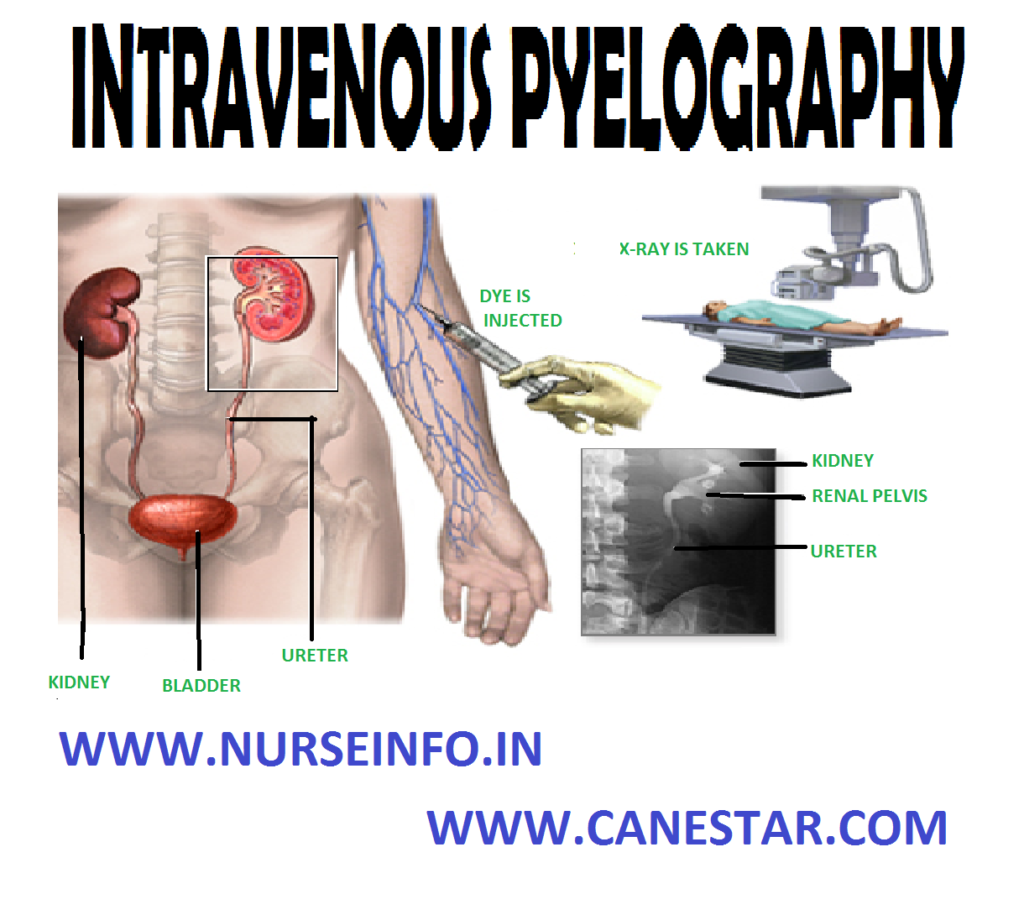
Intravenous pyelography (IVP) is also called excretory urogram. Intravenous pyelography is the roentgenographic visualization of kidneys, ureters and bladder by injecting a dye into the vascular system. It involves intravenous injection of a radiopaque dye that is filtered by the kidney and excreted through the urinary tract

PURPOSE

  •  To identify absence or presence, location size and configuration of kidneys, ureters and bladder
  • To determine filling of the renal calices
  • To detect anatomic peculiarities of the uninary system, such as horseshoe kidney, polycystic kidney, hydronephrosis, double ureters, etc
  • To find out enlargement of prostate gland, tumors, renal calculi, abnormalities of the urinary bladder, etc
  • Post-voiding films, showing abnormal retention of dye, can indicate bladder neck obstruction

CONTRAINDICATIONS

A known sensitivity to iodinated contrast media is an absolute contraindication to IVP

PREPARATION OF THE PATIENT

  • Explain the procedure to the patient to relieve his fear and anxiety
  • Obtain written consent from the patient
  • Test skin to find out sensitivity to iodine compounds because radiopaque medium containing iodine, when injected intravenously, can cause anaphylactic reactions in hypersensitive patients
  • Prepare the patient as for taking plain X-ray of abdomen
  • Keep the patient nil by mouth after evening meal until the examination is over. The depletion of fluid intake allows the radiopaque dye to the more concentrated. When it enters the kidney, the roentgenogram is clearer. If the patient is receiving intravenous fluids, the rate of infusion may be slowed down, for several hours, prior to the study
  • Because the kidneys are located retroperitoneally, the bowel must be cleared of gas and fecal matter, because the gas and fecal matter may cause shadows in the X-ray film
  • Cathartics are usually given evening before the examination. If the patient is suffering from colitis or peptic ulcer, he should not be given cathartics
  • The nurse must take precautions to assure the comfort and safety of the patient
  • A history of kidney damages, allergy, liver diseases and cardiac arrhythmia are contra-indications to the use of radiopaque substances
  • Keep emergency drugs, oxygen and resuscitation equipment ready

Commonly Used Substances for IVP

The dyes currently used are di- and tri-iodinated derivatives of benzene and pyridine

Two commonly used substances are:

  • Diatrizoate sodium (hypaque)
  • Meglumine diatrizoate (renogram)

POSITION OF THE PATIENT

The patient is placed in a supine position on the X-ray table

PROCEDURE

  • The patient is placed in a supine position on the X-ray table
  • Initially a KUB film is taken
  • This helps assure that the bowel is clear enough to continue with the rest of the procedure. It also screens for calculi in the kidney, ureters or bladder
  • The radiopaque dye is injected intravenously. Films are usually taken 2, 5, 10, 15, 20, 30 and 60 minutes after the dye is injected. Post-voiding films also may be taken

The drug should not be injected by the nurse. The compounds normally cause flushing of face, a feeling of warmth and a salty taste in mouth. These effects are transitory and do not mean that the study should be stopped

AFTER CARE

  • Sometimes, with delayed renal function, additional X-rays may be needed one or two hours later. If the patient is to remain on the X-ray table, during this time care must be taken to insure comfort, as much as possible
  • The patient should be observed for any untoward reactions during and after the procedure
  • The patient must be watched for the following complications: anaphylactic shock, acute renal failure, electrolyte imbalance and cardiac arrhythmias
  • If the patient develops any signs of allergic reaction such as itching, wheezing or other respiratory distress, stop the procedure immediately
  • When the patient returns to the ward, observe him for reaction of the dye
  • Give plenty of oral fluids to rehydrate the patient

RECORDING AND REPORTING

  • Record the vital signs before and after the procedure on the nurse’s chart
  • Record any reaction observed and report to the sister/physician

COMPLICATIONS

  • Anaphylactic shock
  • Acute renal failure
  • Electrolyte imbalance
  • Cardiac arrhythmias
INTRAVENOUS PYELOGRAPHY – Purpose, Contraindications, Preparation of the Patient, Position of the Patient, Procedure, After Care, Recording and Reporting and Complications (NURSING PROCEDURE)
Nurse Info