Home Blog Page 61

DISSEMINATED INTRAVASCULAR COAGULATION (DIC)

DISSEMINATED INTRAVASCULAR COAGULATION (DIC) – Etiology, Risk Factors, Types, Pathophysiology, Clinical Manifestations, Diagnostic Evaluations and Management

DIC is an acquired thrombotic and hemorrhagic syndrome characterized by abnormal activation of the clotting cascade and accelerated fibrinolysis. This result in widespread clotting in small vessels with consumption of clotting factors and platelets, so that bleeding and thrombosis occur simultaneously

ETIOLOGY

  • Venomous snake bites
  • Burns, trauma stimulates the changes in blood clotting process
  • Small blood clots form in the blood vessels
  • Inflammation, infection, or cancer (leukemia)
  • Bleeding or injury
  • Pancreatitis, blood transfusion reaction
  • Severe hepatic failure
  • Hemorrhagic skin necrosis
  • Sepsis and shock
  • Obstetric complications: abruptio placenta, eclampsia, preeclampsia, septic abortion
  • Viral, fungal, infections
  • Recent surgery or anesthesia
  • Severe tissue injury (as in burns and head injury)
  • Large hemangioma (a blood vessel that is not formed properly)
  • Client with incomplete miscarriage

RISK FACTORS

  • Blood transfusion reaction
  • Cancer, especially certain types of leukemia
  • Inflammation of the pancreas (pancreatitis)
  • Infection in the blood, especially by bacteria or fungus
  • Liver disease
  • Pregnancy complications (such as placenta that is left behind after delivery)
  • Recent surgery or anesthesia
  • Severe tissue injury (as in burns and head injury)
  • Large hemangioma (a blood vessel that is not formed properly)

TYPES

  • Acute disseminated intravascular coagulation (acute DIC)
  • Chronic disseminated intravascular coagulation (chronic DIC)
  • Acute disseminated intravascular coagulation: acute DIC begins with clotting in the small blood vessels and quickly leads to serious bleeding
  • Chronic Disseminated intravascular coagulation: chronic DIC causes blood clotting, but it usually does not lead to bleeding. Cancer is the most common cause of chronic DIC

PATHOPHYSIOLOGY

Underlying disorder —- systemic activation of coagulation —-

(1) enhanced fibrin formation —- microvascular thrombosis —- organ failure.

(2) Consumption of platelets and clotting factors —- bleeding

CLINICAL MANIFESTATIONS

  • Bleeding, possibly from many sites in the body
  • Blood clots
  • Bruising
  • Drop in blood pressure
  • Coolness of extremities
  • Fever, breathing difficulty
  • Bloody stools
  • Joint pain
  • Headache, fatigue
  • Gum bleeding, excess bleeding from any wound
  • Nose bleeds, blood in urine, heavy menstrual bleeding
  • Tachycardia
  • Restlessness, dyspnea, chest pain with deep inspirations
  • Altered mental status
  • Gangrene

DIAGNOSTIC EVALUATION

  • History: ask patient for the presence of any past history of disease. Ask him for the changes in the body and for the presence of sign and symptoms in the body
  • Physical examination: in physical examination assess patient for presence of signs and symptoms. Monitor patient vital signs. Observe for bleeding from any site of body
  • Laboratory tests: complete blood count, platelet count, normal value is 150,000 to 450,000/mm3. There is decrease in platelet count. A complete blood count measures the number of red blood cells, white blood cells, platelets in body. Abnormal platelet numbers may be a sign of a bleeding disorder

Pro thrombin time, normal value is 11-12.5 sec, there is a increase in prothrombin time. This test measure how long it takes blood clot to form

Thrombin time, normal value is 8-11 sec, there is increase in thrombin time

Fibrinogen normal value is 170-340 mg/dl and there is decrease in fibrinogen. Fibrinogen is a protein help in blood clot. This test measures how much fibrinogen is in body

MANAGEMENT

There is no specific treatment for DIC

The goal is to determine and treat the underlying cause of DIC

  • Supportive treatments may include:

Plasma transfusions to replace blood clotting factors, coagulation factors if a large amount of bleeding is occurring

Blood thinner medicine (heparin) to prevent blood clotting if a large amount of clotting is occurring

Transfusions of platelets or fresh frozen plasma can be considered in cases of significant bleeding

Aspirin to stop blood clots, it help to thin the blood to keep blood clots from forming

DIETARY MANAGEMENT

In case of disseminated intravascular coagulation provide vitamin K. low level of vitamin K lead to increased bleeding

  • Vitamin K is found in green leafy vegetables
  • Provide spinach, cabbage, cauliflower, green peas, beans, soybeans to the client

PREVENTION

There is specific prevention for DIC

  • Get the prompt treatment for the conditions known to bring on this disorder or results this disorder
  • Eat healthy diet and take medicine properly
  • Exercise regularly, it helps to maintain a healthy weight. Exercise help to keep the muscles flexible and prevent damage to muscles and joints
  • Client need to rest in bed and breath through mouth if nosebleed
  • Avoid playing sports such as football to prevent bleeding or bruising

NURSING MANAGEMENT

Nursing Assessment

Nurses need to be aware of patients who are at risk for DIC

  • Assess the patient for bleeding from any of the site
  • Nurse should assessed the patient thoroughly and frequently for the signs and symptoms of thrombi and breeding
  • Nurse should assess the patient for the progression of the signs and symptoms

Nursing Diagnosis

  • Risk for deficient fluid volume related to bleeding
  • Risk for impaired skin integrity related to bleeding or ischemia
  • Risk for injury related to bleeding due to thrombocytopenia
  • Ineffective tissue perfusion related to microthrombi
  • Anxiety and fear related to disease condition
  • Deficient knowledge related to disease condition and treatment
  1. Risk for Fluid Volume Deficient Related to Bleeding

Interventions

  • Monitor vital signs closely
  • Monitor urine output of the patient
  • Avoid the medications that interfere with platelet count (NSAIDs)
  • Avoid IM injections because it decreases the chances for intramuscular bleeding
  • Monitor the external bleeding
  • Avoid dislodging any clots, including those around IV sites and injection sites
  • Blood components should be administered
  • Provide packed red blood cells are to improve oxygen delivery by increasing the hemoglobin content of the blood
  • Administer platelet transfusion when the platelet count falls below 100,000/mm3.
  • Risk for impaired skin integrity related to bleeding or ischemia 

Interventions

  • Assess the skin of patient
  • Reposition the patient frequently
  • Use pressure reducing mattress
  • Perform skin care every 2 hour
  • Use prolonged pressure usually 5 min after injection because platelet plug is unstable and easily dislodged leads to increased bleeding
  • Provide oral care carefully
  • Maintain personal hygiene
  • Anxiety and fear related to disease condition

Interventions

  • Identify the patient previous coping mechanisms, if possible
  • Encourage patient to use that coping mechanisms in this condition
  • Explain all procedures and rationale for all procedures to patient
  • Assist the family in supporting patient
  • Explain about the causes and treatment of the disease to the patient
  • Provide psychological support to the patient
  • Advice to take medications at right time

HEALTH EDUCATION

  • When a bleeding disorder occurs in addition to another condition, the patient’s and significant others coping skills and resiliency may be at a low point
  • During this time, the patient and significant others need accurate information, honest reports about the patient’s condition and prognosis, and an attentive nurse to listen to their concerns
  • Provide emotional support and educate them as to the interventions and expected outcomes
  • Help them understand the severity of the condition and the treatments; do not present false hopes
  • The patient is usually maintained on complete bed rest
  • Pad the side rails to help prevent injury. Reposition the patient every 2 hours, and provide skin care. Gently touch the skin when repositioning and bathing; vigorous rubbing could dislodge a clot and initiate fresh bleeding
DISSEMINATED INTRAVASCULAR COAGULATION (DIC) – Etiology, Risk Factors, Types, Pathophysiology, Clinical Manifestations, Diagnostic Evaluations and Management
DISSEMINATED INTRAVASCULAR COAGULATION (DIC) – Etiology, Risk Factors, Types, Pathophysiology, Clinical Manifestations, Diagnostic Evaluations and Management
ASTHMA

ASTHMA – Etiology, Risk Factors, Pathophysiology, Signs and Symptoms, Diagnostic Evaluations and Management
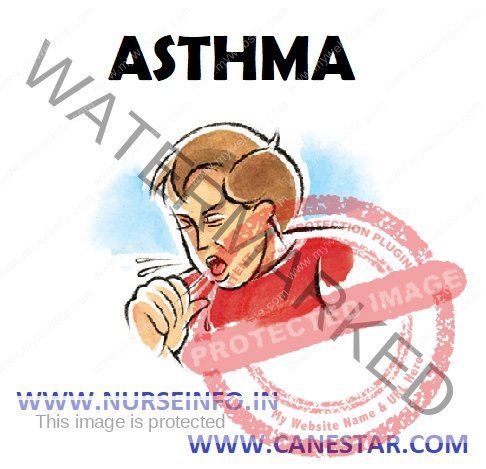
Asthma is a condition in which the airways become narrow and swell and produce extra mucus and characterized by airway hyper-responsiveness, hyperventilation and mucosal edema.

ETIOLOGY

Exposure to various substances that trigger allergies and irritants can trigger signs and symptoms of asthma. Asthma triggers are different from person to person and can include

  • Airborne allergens, such as pollen, animal dander, mold, cockroaches and dust mites
  • Respiratory infections, such as the common cold
  • Physical activity
  • Cold air
  • Air pollutants and irritants, such as smoke
  • Certain medications, including beta blockers, aspirin, ibuprofen
  • Strong emotions and stress
  • Menstrual cycle in some women

RISK FACTORS

A number of factors are thought to increase chances of developing asthma. These include:

  • Having a blood relative (such as a parent or sibling) with asthma
  • Having another allergic condition, such as atopic dermatitis or allergic rhinitis
  • Overweight
  • Smokers
  • Exposure to second-hand smoke
  • Mother who smoked while being pregnant
  • Exposure to exhaust fumes or other types of pollution
  • Exposure to occupational triggers, such as chemicals used in farming, hairdressing and manufacturing

PATHOPHYSIOLOGY

It involves the following mechanism:

  • Bronchoconstriction: in asthma, the dominant physiological event leading to clinical symptoms is airway narrowing and a subsequent interference with airflow. In acute exacerbations of asthma, bronchial smooth muscle contraction occurs quickly to narrow the airways in response to exposure to a variety of stimuli including allergens or irritants. Allergen-induced acute bronchoconstriction results from an IgE-dependent release of mediators from mast cells that includes histamine, tryptase, leukotrienes, and prostaglandins that directly contract airway smooth muscle. Aspirin and other nonsteroidal anti-inflammatory drugs can also cause acute airflow obstruction.
  • Airway edema: as the disease becomes more persistent and inflammation more progressive, other factors further limits airflow. These include edema, inflammation, mucous hypersecretion and the formation of mucus plugs, as well as structural changes including hypertrophy and hyperplasia of the airway smooth muscle.
  • Airway hyper-responsiveness: the mechanisms influencing airway hyper-responsiveness are multiple and include inflammation, dysfunctional neuroregulation, and structural changes.
  • Airway remodeling: in some persons who have asthma, airflow limitation may be only partially reversible. Permanent structural changes can occur in the airway. These are associated with a progressive loss of lung function.

SIGNS AND SYMPTOMS

  • Shortness of breath
  • Chest tightness or pain
  • Trouble sleeping caused by shortness of breath, coughing or wheezing
  • A whistling or wheezing sound when exhaling
  • Coughing or wheezing attacks

For some people, asthma symptoms flare up in certain situations:

  • Exercise-induced asthma, which may be worse when the air is cold and dry
  • Occupational asthma, triggered by workplace irritants, such as chemical fumes, gases or dust
  • Allergy-induced asthma, triggered by particular allergens, such as pet dander, cockroacheso or pollen

DIAGNOSTIC EVALUATION

  • Spirometry: this test estimates the narrowing of bronchial tubes by checking how much air one can exhale after a deep breath
  • Peak flow: a peak flow meter is a simple device that measures how hard you can breathe out. Lower than usual peak flow readings are a sign that lungs may not be working as well and that asthma may be getting worse.
  • Methacholine challenge: methacholine is a known asthma trigger that, when inhaled, will cause mild constriction of airways. If a patient reacts to methacholine, then he/she is likely to have asthma.
  • Imaging tests: a chest X-ray and high-resolution computerized tomography (CT) scan of lungs and nose cavities (sinuses) can identify any structural abnormalities of diseases that can cause or aggravate breathing problems.
  • Allergy testing: this can be performed by skin test or blood test. Allergy tests can identify allergy to pets, dust, mold and pollen. If important allergy triggers are identified, this can lead to recommendation for allergen immunotherapy.
  • Sputum eosinophils: this test looks for a certain white blood cells in the mixture of saliva and mucus discharge during coughing. Eosinophils are present when symptoms develop and become visible when stained with a rose-colored dye.

MANAGEMENT

  • Long-term asthma medications: types of long-term control medications

Inhaled corticosteroids: these anti-inflammatory drugs include fluticasone, budesonide, flunisolide, ciclesonide, beclomethasone and mometasone.

Leukotriene modifiers: these oral medications include montelukast and zileuton. These help relieve asthma symptoms for up to 24 hours

Long-acting beta agonists: these inhaled medications, which include salmeterol and formoterol, open the airways.

Theophylline: theophylline is a daily pill that helps keep the airways open by relaxing the muscles around the airways.

  • Quick-relief (rescue) medications are used as needed for rapid, short-term symptom relief during an asthma attack – or before exercise. Types of quick-relief medications include:

Short-acting beta agonists: these inhaled, quick, relief bronchodilators act within minutes to rapidly ease symptoms during an asthma attack. They include albuterol, levalbuterol and pirbuterol. Short-acting beta agonists can be taken using a portable, hand-held inhaler or a nebulizer.

Ipratropium: like other bronchodilators, ipratropium acts quickly to immediately relax the airways, making it easier to breathe.

Oral and intravenous corticosteroids: these medications include prednisone and methylprednisolone, relieve airway inflammation caused by severe asthma.

  • Allergy medications may help if asthma is triggered or worsened by allergies. These include:

Allergy shots (immunotherapy): allergy shots gradually reduce immune system reaction to specific allergens. Patient generally receives shots once a week  for a few months, then once a month for a period of three to five years.

Omalizumab: this medication, given as an injection every two to four weeks, is specifically for people who have allergies and severe asthma. It acts by altering the immune system

Allergy medications: these include oral and nasal spray antihistamines and decongestants as well as corticosteroids and cromolyn nasal sprays.

Lifestyle Management

  • Use air conditioner: air conditioning reduces the amount of airborne pollen from trees, grasses and weeds that find its way indoors. Air conditioning also lowers indoor humidity and can reduce exposure to dust mites
  • Decontaminate the décor: minimize dust that may worsen night-time symptoms by replacing certain items in the bedroom. For example, encase pillows, mattresses and box springs in dust proof covers. Remove carpeting and install hardwood or linoleum flooring. Use washable curtains and blinds.
  • Maintain optimal humidity: dehumidify the room
  • Prevent mold spores: clean damp areas in the bath, kitchen and around the house to keep mold spores from developing. Get rid of moldy leaves or damp firewood in the yard.
  • Clean regularly: clean home at least once a week
  • Cover nose and mouth: if asthma is worsened by cold or dry air, wearing a face mask can help.

NURSING MANAGEMENT

Nursing diagnosis

  1. Ineffective Airway Clearance related to tracheobronchial obstruction

Interventions

  • Assess airway for patency by asking the patient to state his name
  • Inspect the mouth, neck and position of trachea for potential obstruction
  • Auscultate lungs for presence of normal or adventitious lung sounds
  • Assess respiratory quality, rate, depth, effort and pattern
  • Assess for mental status changes
  • Assess changes in vital signs
  • Monitor arterial blood gases (ABGs)
  • Administer supplemental oxygen
  • Position patient with head of bed at 45 degrees (if tolerated)
  • Assist patient with coughing and deep breathing techniques (positioning, incentive spirometry, frequent position changes)
  • Prepare for placement of endotracheal or surgical airway (i.e. cricothyroidectomy, tracheostomy)
  • Confirm placement of the artificial airway
  • Impaired Gas Exchange related to altered oxygen supply

Interventions

  • Assess respirations: quality, rate, pattern, depth and breathing effort
  • Assess for life-threatening problems (i.e. respiratory arrest, flail chest, sucking chest wound)
  • Auscultate lung sounds. Also assess for the presence of jugular vein distention (JVD) or tracheal deviation
  • Assess for signs of hypoxemia
  • Monitor vital signs
  • Assess for changes in orientation and behavior
  • Monitor ABGs
  • Place a patient on continuous pulse oximetry
  • Assess skin color for development of cyanosis, especially circumoral cyanosis
  • Provide supplemental oxygen, via 100% O2  nonrebreather mask
  • Prepare the patient for intubation
ASTHMA – Etiology, Risk Factors, Pathophysiology, Signs and Symptoms, Diagnostic Evaluations and Management
QUALITIES OF A PSYCHIATRIC NURSE

QUALITIES OF A PSYCHIATRIC NURSE

NURSING PROCEDURES LIST CLICK HERE

Certain attitudes are necessary for a psychiatric nurse to deal with psychiatric patients. These include:

SELF-AWARENESS

A Psychiatric nurse should have a realistic self-concept and should be able to recognize her own feelings, fantasies and fears. She should analyze her own professional strengths and limitations. Her ability to be aware and to accept her own strengths and limitations should help her see the strengths and limitations in other people.

She should have her own beliefs and values related to life and should be able to acknowledge and accept her own feelings and their influence on her behavior. She should have the ability to recognize when she is under stress and its influence on her physical and mental performance, and also find ways to get adequate release from it. Until the nurse is able to cope with personal fears and anxieties in relation to psychiatric nursing, it is unlikely that she can have a therapeutic influence in the patient’s environment.

SELF-ACCEPTANCE

The nurse should not only be aware, but also accept her strengths as well her limitations. Self-understanding helps her to be assertive and feeling guilty.

ACCEPTING THE PATIENT

Accepting means, being non-judgmental, Acceptance conveys the feeling of being loved and cared. The nurse should accept the patient as he is, as a sick person, regardless of caste, color, race or behavior.

The ability to talk therapeutically with patients requires an attitude of acceptance, tolerance and genuine interest in the patient. The basis of all helping relationships is acceptance which implies that the nurse treats the patient as an important person and not as a diagnostic entity or a set of psychiatric symptoms.

BEING SINCERELY INTERESTED IN PATIENT CARE

Being sincerely interested in patient care means considering the patients interest.

This can be demonstrated by:

  • Studying patient’s behavior pattern
  • Allowing him to make his own choices and decisions as far as possible.
  • Being aware of his likes and dislikes
  • Being honest with him
  • Active listening

BEING AVAILABLE

Being available means the nurse should be approachable to the patient. She should convey to the patient that she is available not only to meet his physical care requirements, but also to assist him in dealing with his psychological needs.

EMPATHIZING WITH THE PATIENT

Empathy is an important tool in understanding other’s feelings. Empathy is a process where a person gets into another person’s situation and experiences what other person feels and then is able to step back and analyze the situation. The nurse need not necessarily have to experience it, but has to be able to imagine the feelings associated with the experience.

To be able to empathize with the patient the nurse must be willing to get involved enough to feel what the other person feels and at the same time avoid over-involvement, projection of her own feelings and over- identification.

RELIABILITY

The nurse must demonstrate honesty, truthfulness, resourcefulness and competence in her dealings with the patients and their families. She must prove herself to be trustworthy and as a person who can be relied upon in any situation.

PROFESSIONALISM

Developing the professional skills of a psychiatric nurse is dependent upon learning as much as possible about the patient, his illness and the helping role of the nurse as it specifically applies to the patient.

ACCOUNTABILITY

According to Peplau (1980), the need for personal accountability and professional integrity are greater in psychiatric practice than in any other type of healthcare. Patients in mental health settings are usually more vulnerable and defenseless than patients in other healthcare settings, particularly because their conditions hinder their thinking processes and their relationships with others. Mental health nurses are accountable for the nature of the effort they make on behalf of the patients and answerable to patients for the quality of their efforts.

THE ABILITY TO THINL CRITICALLY

The ability to think critically is crucial for mental health nurses. A critical thinker analyzes information before drawing conclusions about it. It is purposeful, reasonable, reflective thinking that drives problem solving and decision making and aims to make judgments based on evidence.

QUALITIES OF A PSYCHIATRIC NURSE

PSYCHIATRIC NURSING SKILLS

PSYCHIATRIC NURSING SKILLS

Mental health nursing is the practice of promoting mental health as well as caring for people who have mental illness, potentiating their independence and restoring their dignity. In order to fulfill this arduous occupation, a mental health nurse must possess a sound knowledge base and the requisite skills for good nursing practice.

PREREQUISITES FOR A MENTAL HEALTH NURSE

Personal Skills

Self-awareness: It is a key component of psychiatric nursing experience. It is an answer to the question, ”who am I”? The nurse must be able to examine personal feelings, actions and reactions as a provider of care. A firm understanding and acceptance by the nurse allows acknowledging a patient’s differences and uniqueness.

Adaptability: A mental health nurse needs to be adaptable to different settings and cultures. Working within residential settings, for example, may demand attitudes and roles which are different from working in a community, as in a residential setting the nurse may have an authoritative or a supervisory role which she necessarily does not have in a community.

A mental health nurse also needs to cope with a variety of social and cultural settings. Social settings involve the class and status of the individuals while cultural settings involve race, ethnicity and gender. Therefore, she may need to be familiar with the issues that arise in cross-cultural mental health nursing.

Care Values and Attitudes

These include:

  •  Self-awareness and self-esteem
  • Respecting the person’s rights
  • Listening
  • Responding with care and respect
  • Supporting with trust and confidence
  • Reassuring with explanation and honesty
  • Physically nursing the helpless with compassion
  • Carrying out procedures skillfully
  • Working within personal and ethical boundaries.

Counseling Skills

These include:

  • Unconditional positive regard/non-judgmental approach
  • Empathy
  • Warmth and genuineness
  • Confidentiality
  • Non-verbal sensitivity, non-verbal attending, non-verbal responding
  • Other interpersonal skills required are paraphrasing, reflecting, clarifying and summarizing

Behavioral Skills

These are based on Pavlovian principles and Skinner’s principles. They include:

  • To increase adaptive behavior
    • Positive reinforcement
    • Negative reinforcement
    • Token economy
  • To decrease maladaptive behavior
  • Extinction
  • Time out
  • Restraining
  • Over correction
  • To teach new behavior
  • Modeling
  • Shaping
  • Chaining
  • Cueing

Supervisory Skills

Supervision is an integral necessity for any worker in the caring profession, to ensure the best quality service for patients and best quality developmental opportunities for workers. A good supervisor requires interpersonal and professional skills, technical knowledge, leadership qualities and human skills.

Crisis Skills

Aggressive and assaultive behavior of violent patients, self-harm, acute alcohol intoxication are some of the cases a nurse is likely to encounter in the course of her practice. Such situations may cause the nurse to feel overwhelmed with feelings of helplessness, powerlessness and inadequacy. Exercise identifying ways of obtaining help from other by the psychiatric nurse when confronted with such crises situations.

Teaching Skills

This relates to the nurse’s ability to explain, enabling full understanding on the part of the patient. It also involves enhancing the patient’s environment in order to maximize his awareness of the things around him. It is necessary for the nurse to be enthusiastic about activities and choices of the patients and also give the patient every opportunity to use his power of judgment in order to make decisions.

PSYCHIATRIC NURSING SKILLS

NATURE OF MENTAL HEALTH NURSING

NATURE OF MENTAL HEALTH NURSING

Psychiatric nursing is a profession, possessing its unique history, ideology, knowledge and skills. It provides services to individuals whose primary health needs are related to mental, emotional and developmental problems, especially serious disorders and persistent disabilities. It is committed to the maintenance, promotion and restoration of optimal mental health for individuals, families, community groups and society through the use of therapeutic relationships and interventions.

Psychiatric nursing is a specialized area of nursing practice, employing the wide range of explanatory theories of human behavior as its science and purposeful use of self as its art.

Psychiatric nursing is both an art and a science. During actual practice, both art and science of nursing are inextricable. The art of caring is professionally embodied in a therapeutic alliance that develops between the nurse and patient, and is referred to as the nurse-patient relationship. The alliance is a vehicle for the patient to learn and practice skills for the purpose of gaining insight, effecting change, healing mental and emotional wounds and promoting growth.

The science of psychiatric nursing includes understanding and use of principles of nursing on all levels. In addition, there is required commitment to remain current in knowledge and to practice all learned skills and procedures that ensure patient safety well-being.

THE PHILOSOPHICAL BELIEFS OF PSYCHIATRIC NURSING PRACTICE

  • Every individual has intrinsic worth and dignity and is worthy of respect.
  • Each person functions as a holistic being who acts on, interacts with and reacts to the environment as a whole.
  • All behavior of an individual is meaningful. It arises from personal needs and goals and can be understood only from the person’s internal frame of reference and within the context in which it occurs.
  • Behavior consists of perceptions, thoughts,feelings and actions.
  • Individuals vary in their coping capacities, which depend on genetic endowment, environmental influences, nature and degree of stress, and available resources. All individuals have the potential for both health and illness.
  • The goal of nursing care is to promote wellness, maximize integrated functioning and enhance self-actualization.
  • An interpersonal relationship can produce change and growth within the individual. It is a vehicle for application of nursing process and the attainment of the goal of nursing care.
  • The psychiatric nurse uses knowledge form the psychological and biophysical sciences and theories of personality and human behavior. From these sources, the nurse derives a theoretical framework on which to base the nursing practice.
NATURE OF MENTAL HEALTH NURSING

MENTAL HEALTH TEAM

MENTAL HEALTH TEAM OR MULTIDISCIPLINARY TEAM

NURSING PROCEDURES LIST CLICK HERE

Multidisciplinary approach refers to collaboration between members of different disciplines who provide specific services to the patient.

The multidisciplinary team includes:

  • A psychiatrist
  • A psychiatric nurse
  • A clinical psychologist
  • A psychiatric social worker
  • An occupational therapist or an activity therapist
  • A pharmacist and a dietician
  • A counselor
  • A dietician

A psychiatrist is a medical doctor with special training in psychiatry. He is accountable for the medical diagnosis and treatment of patient. Other important functions are:

  • Admitting patient into acute care setting
  • Prescribing and monitoring psychopharmacologic agents
  • Administering electroconvulsive therapy
  • Conducting individual and family therapy
  • Participating in interdisciplinary team meetings
  • Owing to their legal power to prescribe and to write orders, psychiatrists often function as leaders of the team.

A Psychiatric nurse is a registered nurse with specialized training in the care and treatment of psychiatric patients; she may have a Diploma, MSc, Mphil or PhD in psychiatric nursing. She is accountable for the bio-psychosocial nursing care of patients and their milieu. Other functions include:

  • Administering and monitoring medications
  • Assisting in numerous psychiatric and physical treatments
  • Participate in interdisciplinary team meetings
  • Teach patients and families
  • Take responsibility for patients’ records
  • Act as patients’ advocate
  • Interact with patients’ significant others

A clinical psychologist should have a Masters Degree in Psychology or PhD in clinical psychology with specialized training in mental health settings. He is accountable for psychological assessments, testing and treatments. He offers direct services such as individual. Family or marital therapies.

A psychiatric social worker should have a Masters Degree in Social work or PhD degree with specialized training in mental health settings. He is accountable for family case work and community placement of patients. He conducts group therapy sessions. He emphasizes intervention with the patient in social environment in which he will live.

An occupational therapist or an Activity therapist is accountable for recreational occupational and activity programs. He assists the patients in gaining skills that help them cope more effectively, retain employment and use their leisure time.

A counselor provides basic supportive counseling and assists in psychoeducational and recreational activities.

MENTAL HEALTH TEAM OR MULTIDISCIPLINARY TEAM

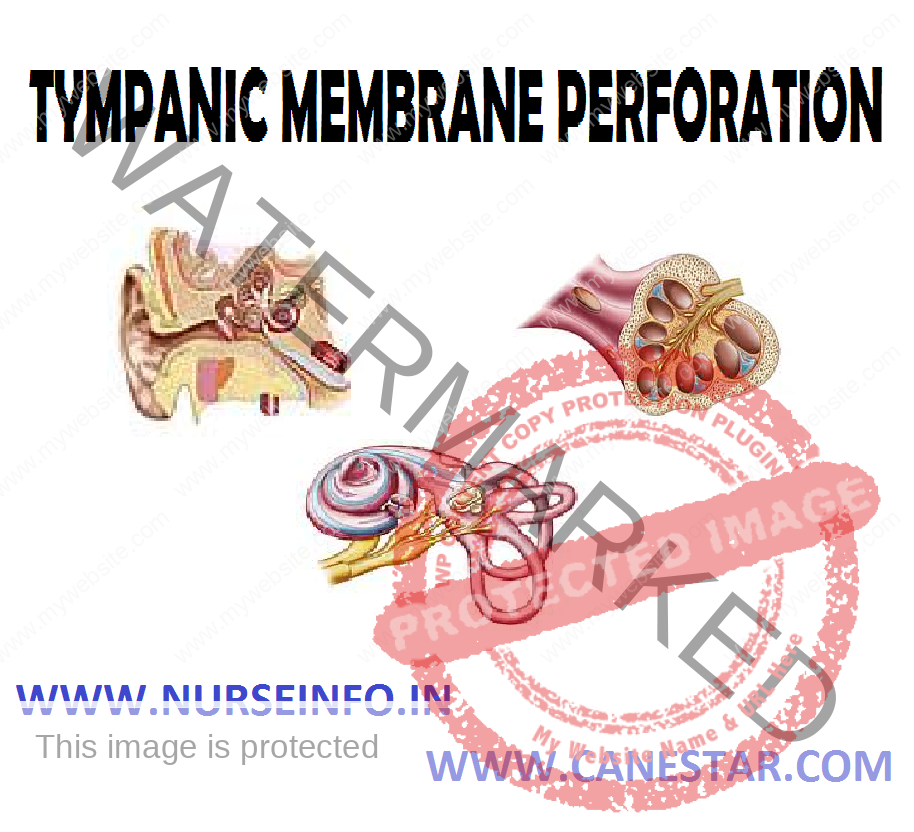
TYMPANIC MEMBRANE PERFORATION

TYMPANIC MEMBRANE PERFORATION – Signs and Symptoms, Diagnostic Evaluation and Management

The eardrum serves two important functions in the ear. It senses vibrating sound waves and converts the vibration into nerve impulses that convey the sound to brain. It also protects the middle ear from bacteria as well as water and foreign objects. Normally, the middle ear is sterile. But when the eardrum is ruptured, bacteria can get into the middle ear and cause an infection known as otitis media.

A ruptured eardrum is a tear in the thin membrane that separates outer ear from inner ear and when there is any abnormal opening or perforation in tympanic membrane, it is termed as perforated tympanic membrane.

ETIOLOGY

Traumatic causes of TM perforation include:

  • A number of things can cause the eardrum to rupture; one of the most common causes is an ear infection. When the middle ear is infected, pressure builds up and pushes against the eardrum. When the pressure gets too high, it can cause the eardrum to perforate.
  • Insertion of objects into the ear canal purposely: another common cause of a ruptured eardrum is poking the eardrum with a foreign object, such as a cotton-tipped swab or a bobby pin that is being used to clean wax out of the ear canal. Sometimes children can puncture their own eardrum by putting objects, such as a stick or a small toy in their ears.
  • Concussion caused by an explosion or open-handed slap across the ear
  • Head trauma
  • Sudden negative pressure (e.g. strong suction applied to the ear canal)
  • Barotraumas: this happens when the pressure inside the ear and the pressure outside the ear are not equal. That can happen, for example, when an aeroplane changes altitude, causing the air pressure in the cabin to drop or rise. The change in pressure is also a common problem for scuba divers.
  • Iatrogenic perforation during irrigation or foreign body removal

SIGNS AND SYMPTOMS

Some people do not notice any symptoms of a ruptured eardrum. Others complain only after several days of general discomfort in their ear and feeling that ‘something is not quite right with the ear’. Some people are surprised to hear air coming out of their ear when they blow their nose. Forcefully blowing nose causes air to rise up to fill the space in the middle ear. Normally this will cause the eardrum to balloon outward. But if there is a hole in the eardrum, air will rush out. Sometimes the sound is loud enough for other people to hear.

Other symptoms of a ruptured eardrum include:

  • Sudden sharp ear pain or a sudden decrease in ear pain
  • Drainage from the ear that may be bloody, clear, or resemble pus
  • Ear noise or buzzing
  • Hearing loss that may be partial or complete in the affected ear
  • Episodic ear infections
  • Facial weakness or dizziness

DIAGNOSTIC EVALUATION

  • Audiometry: this hearing test checks how sensitive ears are to sounds at different volumes. The hearing tests may include pure-tone audiometry and speech audiometry tests. The tests help measure the quietest sounds or speech that can hear. They also help measure how well one can understand words when they are spoken at a normal sound level. These tests may check the type of hearing loss.
  • Otoscopy: an otoscope helps to see inside the ear and visualize the eardrum
  • Tuning fork test: for this test, a vibrating tuning fork is held against the bone behind the ear. The tuning fork may also be held against the forehead, nose, or outside the opening of ear. You will be asked if you can hear certain sounds. Your hearing may be tested holding the tuning fork in more than one place. When this is done, you will be asked to state which area you heard the sound best.

MANAGEMENT

  • Ear kept dry
  • Oral or topical antibiotics

Often no specific treatment is needed. The ear should be kept dry, routine antibiotic ear drops are unnecessary. However, prophylaxis with oral broad-spectrum antibiotics or antibiotic ear drops is necessary if contaminants may have entered through the perforation as occurs in dirty injuries. If the ear becomes infected, amoxicillin 500 mg is given for 7 days. Although most perforations close spontaneously, surgery is indicated for a perforation persisting.

Surgical Management

Surgery is required to repair eardrum and prevent future ear infections. This is done when the hole in eardrum is large or does not heal on its own.

  • Myringoplasty: this type of surgery uses a tissue graft to cover torn eardrum. A tissue graft may be taken from own body, another person, an animal, or is man-made.  A procedure called a mastoidectomy may also be done with a myringoplasty. A mastoidectomy is removal of infected bone from behind ear.
  • Tympanoplasty: this surgery repairs torn eardrum and any damage to inner ear. A tympanoplasty also helps prevent ear infections that stop and come back. The hole in eardrum will be covered with a tissue graft.
TYMPANIC MEMBRANE PERFORATION – Signs and Symptoms, Diagnostic Evaluation and Management

RAYNAUD’S PHENOMENON

RAYNAUD’S PHENOMENON – Definition, Types, Causes, Risk Factors, Pathophysiology, Signs and Symptoms, Diagnostic Evaluation, Treatment and Management

DEFINITION

Raynaud’s phenomenon is a vasospastic disorder causing discoloration of the fingers, toes, and occasionally other areas. This condition may also cause nails to become brittle with longitudinal ridges. Due to vasospasm, decrease blood supply to the respective regions. Stress and cold are classic triggers of the phenomenon

TYPES OF RAYNAUD’S DISEASE

There are two types of Raynaud’s disease  – Primary and Secondary:

  • Primary Raynaud’s disease: in these cases, the cause of the condition is unknown. It does run in families, however, so a genetic cause is suspected. Primary Raynaud’s disease is five times more common in women than it is in men, and usually starts between the ages of 20 and 45 years.
  • Secondary Raynaud’s disease: secondary Raynaud’s disease is so-called because it occurs secondary to another condition or factor, such as:

Medications that narrow the blood vessels, e.g. beta blockers

Hormone imbalances, e.g. hypothyroidism

Injury, e.g. frostbite

Occupational exposure to constant vibration (e.g. chainsaws) or repetitive movement (e.g. typing)

CAUSES

  • Primary Raynaud’s (disease): Raynaud’s disease, or ‘Primary Raynaud’s’, is diagnosed if the symptoms are idiopathic. It often develops in young women in their teens and early adulthood. Primary Raynaud’s is hereditary.
  • Secondary Raynaud’s (syndrome): Raynaud’s syndrome, or ‘Secondary Raynaud’s’, occurs secondary to a wide variety of other conditions. Secondary Raynaud’s has a number of associations:
  • Connective tissue disorders:

Scleroderma

Systemic lupus erythematosus

Rheumatoid arthritis

Polymyositis

Mixed connective tissue disease

Ehlers-Danlos Syndrome

Eating disorders – anorexia nervosa

Obstructive disorders – atherosclerosis, Buerger’s disease, Takayasu’s arteritis, Subclavian aneurysms, Thoracic outlet syndrome

Drugs – betablockers, cytotoxic drugs-particularly chemotherapeutics and most especially bleomycin

  • Cyclosporin
  • Bromocriptine
  • Ergotamine
  • Sulfasalazine
  • Anthrax vaccines whose primary ingredient is the anthrax protective antigen

Occupation

  • Jobs involving vibration, particularly drilling, suffer from vibration white finger
  • Exposure to vinyl chloride, mercury
  • Exposure to cold

Others

  • Physical trauma, such as that sustained in auto accident or other traumatic events
  • Lyme disease
  • Hypothyroidism
  • Cryoglobulinemia
  • Malignancy
  • Reflex sympathetic dystrophy
  • Carpal tunnel syndrome
  • Magnesium deficiency
  • Multiple sclerosis
  • Erythromelalgia (the opposite of Raynaud’s with hot and warm extremities)

RISK FACTORS

Smoking worsens frequency and intensity of attacks, and there is a hormonal component. Caffeine also worsens the attacks. Sufferers are more likely to have migraine and angina than controls.

PATHOPHYSIOLOGY

Due to sudden vasoconstriction —- pooling of deoxygenated blood —- skin becomes bluish in coloration —- as a result of exaggerated reflow (hyperemia) due to vasodilatation —- a red color is produced when oxygenated blood returns to the digits after vasospasm spots —- there are characteristic changes in color described as white, red, blue, numbness, tingling, burning pain

SIGNS AND SYMPTOMS

  • Pain
  • Discoloration (paleness)
  • Sensations of cold and/or numbness
  • Swelling
  • Tingling
  • Raynaud’s also has occurred in breastfeeding mothers, causing nipples to turn white and become extremely painful

DIAGNOSTIC TESTS

  • Digital artery pressure: pressures are measured in the arteries of the fingers before and after the hands have been cooled. A decrease of at least 15 mm Hg is diagnostic (positive)
  • Doppler ultrasound: to assess blood flow
  • Full blood count: this may reveal a normocytic anemia suggesting the anemia of chronic disease or renal failure
  • Blood test for urea and electrolytes: this may reveal renal impairment
  • Thyroid function tests: this may reveal hypothyroidism
  • An autoantibody screen, tests for rheumatoid factor, erythrocyte sedimentation rate, and C-reactive protein, which may reveal specific  causative illnesses or a generalized inflammatory process
  • Nailfold vasculature: this can be examined under the microscope

TREATMENT (General Care)

  • Environmental triggers should be avoided, e.g. cold, vibration, etc.
  • Emotional stress is another recognized trigger
  • Extremities should be kept warm
  • Consumption of caffeine and other stimulants and vasoconstrictors must be prevented

Emergency Measures

  • Keeping warm and maintaining a constant body temperature
  • Wearing gloves and warm socks when out in the cold
  • Not smoking – nicotine can narrow the blood vessels
  • Not directly handling cold things, e.g. bottles of milk, items just out of the freezer
  • Keeping the skin supple by using moisturizers
  • Learning how to manage stress and emotional situations
  • Avoiding medications that can aggravate blood vessel spasm, e.g. some cold and flu medications
  • Medications to widen the blood vessels and promote circulation (calcium channel blockers)
  • Medications to thin the blood, e.g. aspirin
  • Treatment of underlying conditions in cases of secondary Raynaud’s disease
  • Alternative therapies, e.g. massage, acupuncture

Drug Therapy

  • Calcium channel blockers: (Nifedipine) or diltiazem
  • Side effects: headache, flushing, and ankle edema; but these are not typically of sufficient severity to require cessation of treatment
  • Angiotensin II receptor antagonists: (Losartan) reduce frequency and severity of attacks
  • Vasodilator therapy: sildenafil (Viagra) improves both microcirculation and symptoms in patients with secondary Raynaud’s phenomenon
  • Selective serotonin reuptake inhibitor: fluoxetine, a selective serotonin reuptake inhibitor
  • Antidepressant medications: may reduce the frequency and severity of episodes if caused mainly by psychological stress

Surgical Intervention

  • Sympathectomy: procedure can be performed. The nerves that signal the blood vessels of the fingertips to constrict are surgically cut

Nursing Management

Nursing diagnosis: risk for hemorrhage related to graft procedure

Goal: to reduce risk of bleeding

Interventions

  • Monitor pulse rate
  • Monitor central venous pressure
  • Provide sterile dressing on wound
  • Give vitamin K as per doctor’s advice

Nursing Diagnosis: pain related to disease condition as evidences by verbal communication

Goal: pain is reduced or lost

Intervention

  • Assess for the presence of pain, the scale and intensity of pain
  • Teach the client about pain management and relaxation with distraction
  • Secure the chest tube to restrict movement and avoid irritation
  • Assess pain reduction measures
  • Provide analgesics as indicated

Nursing Diagnosis: risk for impaired gas exchange related to cough and pain for incision

Goal: to clear secretions from airway

Interventions

  • Airway Management:

Open the airway with headtilt, chinlift, jaw thrust

Set the position to maximize ventilation

Use tools airway

Perform chest physiotherapy

Teach breathing deeply and coughing effectively

Perform suction

Auscultation of breath sounds

Give bronchodilators (collaboration)

  • Oxygenation Therapy:

Provide humidification system of oxygen equipment

Monitor the flow of oxygen and the amount given

Monitor signs of oxygen toxicity

RAYNAUD’S PHENOMENON – Definition, Types, Causes, Risk Factors, Pathophysiology, Signs and Symptoms, Diagnostic Evaluation, Treatment and Management

OTOSCLEROSIS AND HEARING LOSS

OTOSCLEROSIS AND HEARING LOSS (Etiology, Diagnostic Evaluation, Treatment and Management

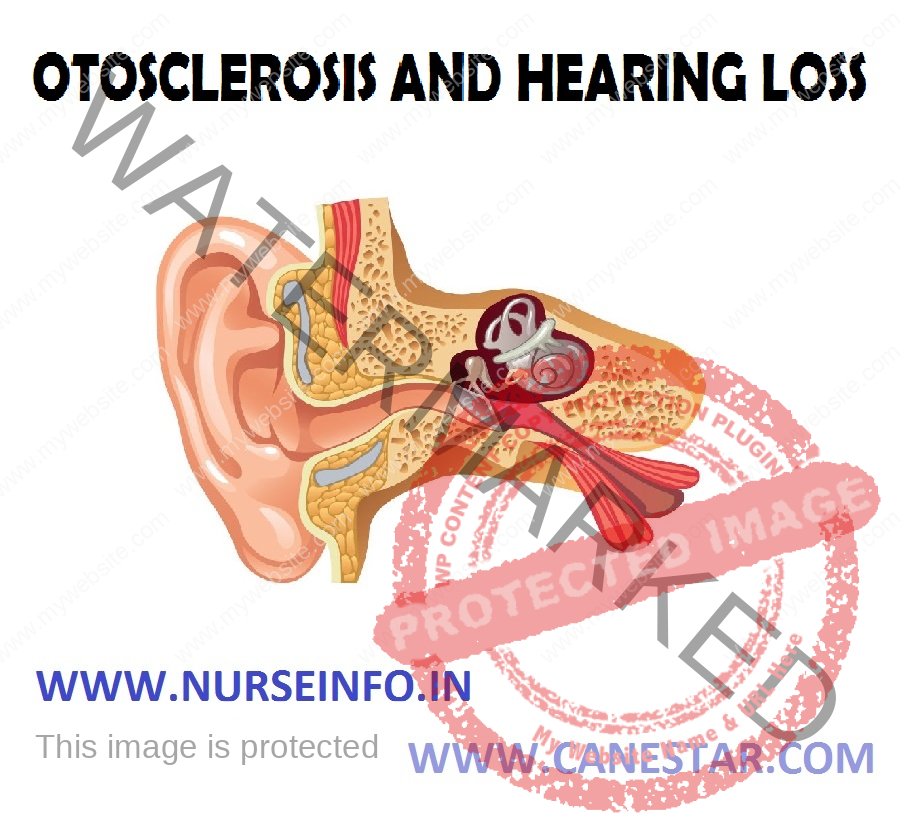
Otosclerosis is a term derived from oto, meaning ‘of the ear’ and sclerosis, meaning ‘abnormal hardening of body tissue’. The condition is caused by abnormal bone remodeling in the middle ear. Bone remodeling is a lifelong process in which bone tissue renews itself by replacing old tissue with new characterized by abnormal remodeling of ear bone that disrupts the ability of sound to travel from the middle ear to the inner ear.

TYPES OF HEARING IMPAIRMENT

The external ear and the middle ear conduct sound, the inner ear receives it. If there is some difficulty in the external or middle ear, a conductive hearing impairment occurs. If the trouble lies in the inner ear, a sensorineural or nerve hearing impairment is the result. When there is difficulty in both the middle and the inner ears a mixed or combined impairment exists mixed impairments are common in otosclerosis.

Cochlear Otosclerosis

When otosclerosis spreads to the inner ear, a sensorineural hearing impairment may result due to interference with the nerve function. This nerve impairment is called cochlear otosclerosis and once it develops it may be permanent. On occasions the otosclerosis may spread to the balance canals and may cause episodes of unsteadiness.

Stapedial Otosclerosis

Usually otosclerosis spreads to the stapes or stirrup, the final link in the middle ear transformer chain. The stapes rests in the small groove, the oval window, in intimate contact with the inner ear fluids. Anything that interferes with its motion results in a conductive hearing impairment. This type of impairment is called stapedial otosclerosis and is usually correctable by surgery.

ETIOLOGY

The most commonly affected portion of the bone around the inner ear (otic capsule) is the anterior oval window. It can also involve the round window niche, the internal auditory canal, and occasionally ossicles other than the stapes. Otosclerosis is thought to begin with otospongiosis, which is a localized softening of the normally vary hard bone of the otic capsule. There appear to be three stages of otosclerosis – resorptive osteoclastic stages with signs of inflammation, followed by an osteoblastic stage involving immature bone, followed by mature bone formation.

  • Genetic
  • Viral

DIAGNOSTIC EVALUATION

  • Tympanometry can show stiffening of the ossicular chain
  • Acoustic reflexes are very useful in otosclerosis, as they show a characteristic ‘inversion’ pattern
  • The temporal bone CT scan is both nonspecific and insensitive

TREATMENT OF OTOSCLEROSIS

There are four treatment options:

  1. Doing Nothing is a Reasonable Option

Otosclerosis does not have to be treated, as there are no medications that have been shown to work, and it will progress or not independent of any treatment. It is advisable to have a formal hearing test repeated once a year.

  • Hearing Aids

Hearing aids are effective for conductive hearing loss and certainly are less risky than having ear surgery. Hearing aid technology has undergone tremendous advances since the invention of surgical treatment for otosclerosis. Bone-anchored hearing aids (BAHA), can be especially convenient.

  • Medical Treatment

Fluorides

Fluoride therapy is no longer a recommended primary treatment for otosclerosis, because of its effect on other bones including the possibility of increasing the risk of hip fractures. After two years of fluoride treatment, the dose of fluoride is reduced from three times a day to once a day. Once the otospongiosis phase of otosclerosis is over and there is a clear-cut otosclerosis documentated by conductive hearing loss, fluoride may be stopped. The treatment is continued after surgery.

Bisphosphonates can also be recommended in some cases.

Other Approaches

Avoidance of estrogens or use of estrogen blockers might be helpful in an individual with otosclerosis as otosclerosis frequently worsens during pregnancy, suggesting hormonal modulation. Similarly, hormone supplements in menopause might be adverse to hearing in persons with otosclerosis.

  • Surgical Treatment

For conductive hearing loss, stapedectomy can be done, which produces excellent hearing results, and which remain good for many years after the surgery. This procedure may allow avoidance of hearing aids. It, however, does not help the sensory component of the hearing loss and at best, may close the ‘air-bone’ gap.

The stapes operation (stapedectomy) is recommended for patients with otosclerosis who are candidates for surgery. This operation is usually performed under local anesthesia and requires but a short period of hospitalization and convalescence. Over 90 percent of these operations are successful in restoring the hearing permanently.

Stapedectomy or stapedotomy is performed through the ear canal under local or general anesthesia. A small incision may be made behind the ear to remove muscle or fat tissue for use in the operation.

COMPLICATIONS OF SURGERY

  • Hearing loss
  • Tinnitus: most patients with otosclerosis notice tinnitus (head noise) to some degree. The amount of tinnitus is not necessarily related to the degree or type of hearing impairment. Following successful stapedectomy, tinnitus is often decreased in proportion to the hearing improvement, but occasionally may be worse.
  • Dizziness: it is normal for a few hours following a stapedectomy and may result in nausea and vomiting. Some unsteadiness is common during the first few postoperative days and dizziness on sudden head motion may persist for several weeks
  • Taste Disturbance and Mouth Dryness: they are not uncommon for a few weeks following surgery
  • Eardrum Perforation: a perforation in the eardrum membrane is an unusual complication of the surgery. If healing does not occur, surgical repair (myringoplasty) may be required.
  • Weakness of the Face: A very rare complication of stapedectomy is temporary weakness of the face. This may occur as the result of an abnormality or swelling of the facial nerve.

NURSING MANAGEMENT

Successful communication requires the efforts of all people involved in a conversation. Even when the person with hearing loss utilizes hearing aids and active listening strategies, it is crucial that others involved in the communication process consistently use good communication strategies, including the following:

  • Face the hearing-impaired person directly, on the same level and in good light whenever possible. Position yourself so that the light is shining on the speaker’s face, not in the eyes of the listener
  • Do not talk from another room. Not being able see each other when talking is a common reason people have difficulty understanding what is being said
  • Speak clearly, slowly, distinctly, but naturally, without shouting or exaggerating mouth movements. Shouting distorts the sound of speech and may make speech reading more difficult
  • Say the person’s name before beginning a conversation. This gives the listener a chance to focus attention and reduces the chance of missing words at the beginning of the conversation
  • Avoid talking too rapidly or using sentences that are too complex. Slowdown a little, pause between sentences or phrases, and wait to make sure you have been understood before going on.
  • Keep your hands away from your face while talking. If you are eating, chewing, smoking, etc. while talking, your speech will be more difficult to understand. Beards and moustaches can also interfere with the ability of the hearing impaired to speech read
  • If the hearing-impaired listener hears better in one ear than the other, try to make a point of remembering which ear is better so that you will know where to position yourself
  • Be aware of possible distortion of sounds for the hearing-impaired person. They may hear your voice, but still may have difficulty understanding some words
  • Most hearing-impaired people have greater difficulty understanding speech when there is background noise. Try to minimize extraneous noise when talking
  • Some people with hearing loss are very sensitive to loud sounds. This reduced tolerance for loud sounds is not uncommon. Avoid situations where there will be loud sounds when possible
  • If the hearing-impaired person has difficulty understanding a particular phrase or word, try to find a different way of saying the same thing, rather than repeating the original words over and over.
  • Acquaint the listener with the general topic of the conversation. Avoid sudden changes of topic. If the subject is changed, tell the hearing impaired person what you are talking about now. In a group setting, repeat questions or key facts before continuing with the discussion
  • If you are giving specific information-such as time, place or phone numbers-to someone who is hearing-impaired, make them repeat the specifics back to you. Many numbers and words sound alike.
  • Whenever possible, provide pertinent information in writing, such as directions, schedules, work assignments, etc.
  • Recognize that everyone, especially the hard-of-hearing, has a harder time hearing and understanding when ill or tired.
  • Pay attention to the listener. A puzzled look may indicate misunderstanding. Tactfully ask the hearing-impaired person if he/she understood you, or ask leading questions so you know your message got across
  • Take turns speaking and avoid interrupting other speakers
  • Enroll in aural rehabilitation classes with your hearing-impaired spouse or friend
OTOSCLEROSIS AND HEARING LOSS (Etiology, Diagnostic Evaluation, Treatment and Management

OTOSCLEROSIS AND HEARING LOSS (Etiology, Diagnostic Evaluation, Treatment and Management

LIVER CANCER

LIVER CANCER – Definition, Classification, Etiology and Risk Factors, Signs and Symptoms, Diagnostic Tests and Management

DEFINITION

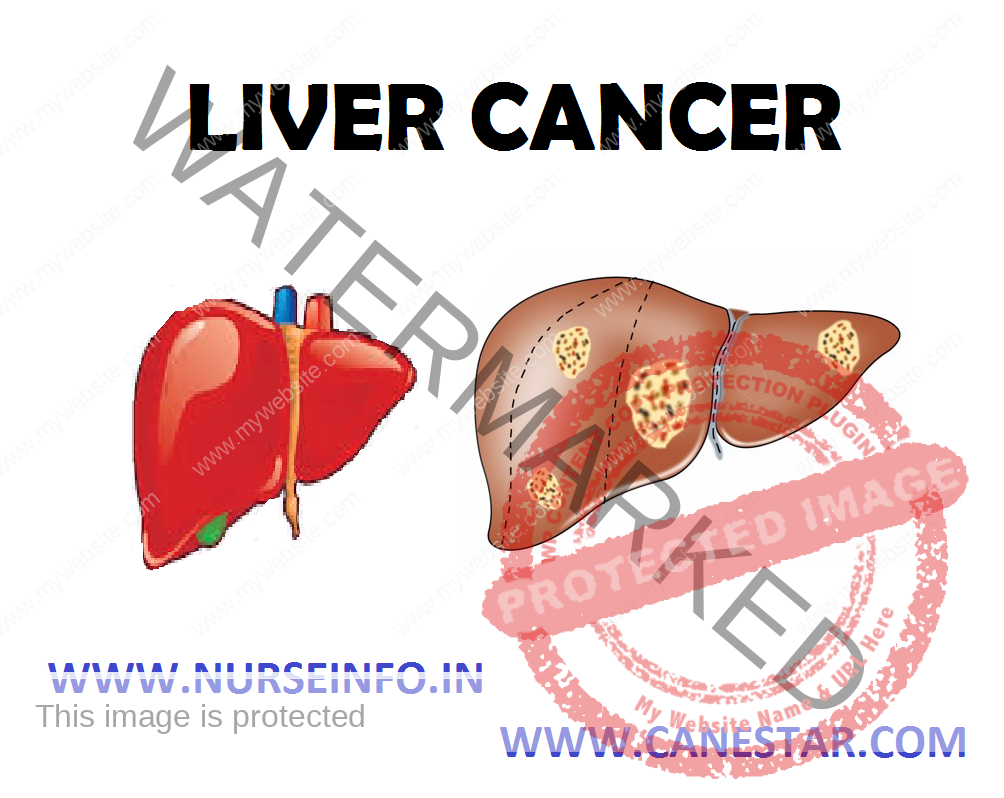
Liver cancer or hepatic cancer is a cancer that originates in the liver. Liver cancers are malignant tumors that grow on the surface or inside the liver.

CLASSIFICATION

  • Primary liver cancer: it can be benign and malignant

Origin                   Benign             Malignant

Hepatocytes    –    Adenoma        Hepatocellular carcinoma

Connective tissue – Fibroma       Sarcoma

Blood vessels –    Hemangioma  hemangioendothelioma

Bile ducts –           cholangioma   carcinoma

  • Secondary (metastatic) liver cancer

Secondary (metastatic) cancer reaches the liver by spreading through the blood system from a primary tumor at a separate site.

  • Mixed tumors: rarer forms of liver cancer include:

Mesenchymal tissue

Sarcoma

Hepatoblastoma is a rare malignant tumor, primarily developing in children. Most of these tumors form in the right lobe

Cholangiocarcinoma

Angiosarcoma and hemangiosarcoma

Lymphoma of liver

ETIOLOGY AND RISK FACTORS

  • Younger population mainly females
  • Chronic liver disease: cirrhosis, HBV and HCV
  • Chemical toxins such as vinyl chloride
  • Carcinogens in herbal medicines
  • Mycotoxins like aflatoxins
  • Oral contraceptives
  • Metastasis

SIGNS AND SYMPTOMS OF PRIMARY LIVER CANCER

Cholangiocarcinoma

  • Sweating
  • Jaundice
  • Abdominal pain
  • Weight loss
  • Hepatomegaly

Hepatocellular Carcinoma

  • Abdominal mass
  • Abdominal pain
  • Emesis
  • Anemia
  • Back pain
  • Jaundice
  • Itching
  • Weigh loss

SIGNS AND SYMPTOMS OF SECONDARY LIVER CANCER

  • Tiredness
  • Loss of appetite
  • Nausea
  • A dragging sensation or heaviness felt up under the lower ribs on the right-hand side
  • Pain in the upper part of the belly, particularly on bending forwards

DIAGNOSTIC TESTS

  • Physical examination and history: the first symptom is usually pain in the right side. Weight loss is common and sometimes patients have episodes of severe pain, fever, and nausea. Rapidly deteriorating health, swelling and jaundice
  • Blood tests: most useful in AFP (alpha-fetoprotein). AFP is a protein produced by the liver, and an elevated level can indicate tumor growth, though some patients with liver cancer have normal AFP levels
  • CEA (carcinoembryonic antigen) test
  • Diagnostic imaging: ultrasound scan, CT and MRI scans are required liver imaging may include a four-phase computed tomography (CT), including spiral CT scans obtained during hepatic arterial and portal venous phases following intravenous contrast administration, or magnetic resonance imaging (MRI). These techniques can accurately demonstrate the number of primary tumors within the liver and their relationship to vascular structures.
  • Image-guided biopsy

MANAGEMENT

The correct treatment of liver cancer can mean the difference between life and death. Not all patients with cancers in the liver are potentially curable. These are some of the treatments available: surgery, chemotherapy, immunotherapy, photodynamic therapy, hyperthermia, radiation therapy and radiosurgery.

Hepatocellular Carcinoma

  • Partial hepatectomy to resect the entire tumor
  • Liver transplantation
  • Cryoablation
  • Chemoembolization
  • Radiotherapy
  • Sorafenib
  • Radiofrequency ablation

Cholangiocarcinoma

  • Photodynamic therapy
  • Brachytherapy
  • Radiotherapy
  • Liver transplantation

Hepatoblastoma

  • Chemotherapy, including vincristine, cyclophosphamide and doxorubicin
  • Radiotherapy
  • Liver transplantation
  • Surgical resection
LIVER CANCER – Definition, Classification, Etiology and Risk Factors, Signs and Symptoms, Diagnostic Tests and Management

LIVER CANCER – Definition, Classification, Etiology and Risk Factors, Signs and Symptoms, Diagnostic Tests and Management
Nurse Info