Home Blog Page 58

GUILLAIN-BARRE SYNDROME OR INFECTIOUS POLYNEURITIS

GUILLAIN-BARRE SYNDROME OR INFECTIOUS POLYNEURITIS – Etiology, Pathophysiology, Signs and Symptoms, Diagnostic Evaluation and Management

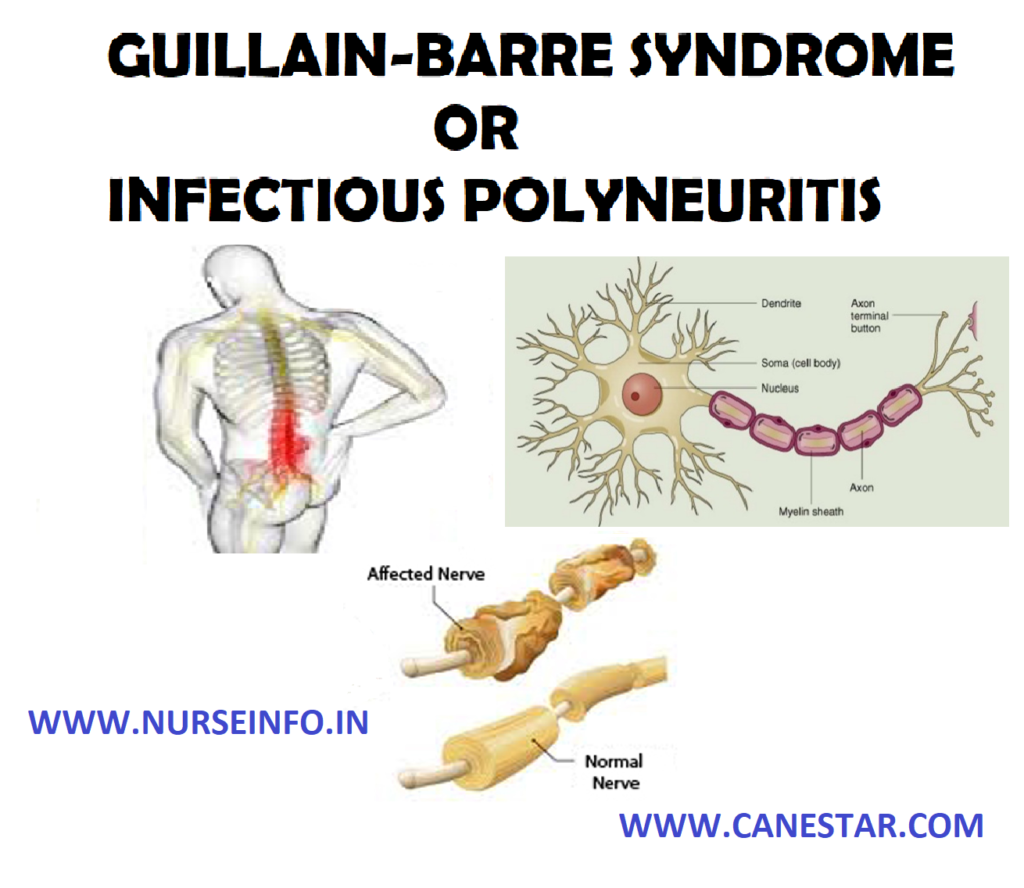
  • Guillain-Barre Syndrome (GBS) is a acute condition that involves progressive muscle weakness or paralysis. It is an autoimmune disorder in which the body’s immune system attacks its own nervous system, causing inflammation that damages the myelin sheath of the nerve. This damage (demyleinazation) slows or stops the conduction of impulses through the nerve. The impairment of nerve impulses to the muscles leads to symptoms that may include muscle weakness, paralysis, spasms, numbness, tingling or pin-and-needle sensations and tenderness.

ETIOLOGY

  • Camphylobacter jejuni infection: camphylobacter infection is also the most common risk factor for Guillain-Barre. It is often found in undercooked food, especially poultry.
  • Influenza
  • Cytomegalovirus
  • Epstein-Barr virus infection
  • Mycoplasma pneumonia
  • HIV or AIDS

PATHOPHYSIOLOGY

A condition of symptoms characterized by a widespread, inappropriate inflammatory immune response —- the syndrome progresses from the feet up and generally affects one side more than the other —- nerve condition is interrupted as T-cells are activated and antibodies attack the myelin sheath —- a polyneuropathies, that include the associated neurological symptoms related to immune response —- symptoms continually progress in severity over the course of a few hours to several days —- symptoms initiate in lower extremities with symmetrical paresthesia that may advance to paralysis

SIGNS AND SYMPTOMS

  • Loss of tendon reflexes in the arms and legs
  • Tingling or numbness (mild loss of sensation)
  • Muscle tenderness or pain (maybe a cramp-like pain)
  • Uncoordinated movement (cannot walk without help)
  • Low blood pressure or poor blood pressure control
  • Abnormal heart rate
  • Blurred vision and double vision
  • Clumsiness and falling
  • Difficulty moving face muscles
  • Muscle contractions
  • Feeling the heartbeat

EMERGENCY SYMPTOMS

  • Breathing temporarily stops
  • Cannot take a deep breath
  • Difficulty breathing
  • Difficulty swallowing
  • Drooling
  • Fainting
  • Feeling light-headed when standing

DIAGNOSTIC EVALUATION

  • Spinal tap: this test is also referred to as a lumbar puncture. A spinal tap involves taking a small amount of fluid from the spine in the lower back. The fluid is then tested to detect protein levels. People with Guillain-Barre typically have higher-than-normal levels of protein in their cerebrospinal fluid
  • Electromyography: an electromyography is a nerve function test. It reads electrical activity from the muscles and help to learn if the muscle weakness is caused by nerve damage or muscle damage

MANAGEMENT

  • Physical therapy:  before recovery, a caregiver may need to manually move the arms and legs. This will help the muscles strong and mobile. After recovery, physical therapy will helps to strengthen and flex the muscles again. Therapy includes massages, exercises and frequent position changes.
  • Plasmapheresis: the immune system produces protein called antibodies that normally attack harmful foreign substances, such as bacteria and viruses. Guillain-Barre occurs when the immune system mistakenly makes antibodies that attack the healthy nerves of the nervous system. Plasmapheresis is intended to remove the antibodies attacking the nerves from the blood. During this procedure, blood is removed from the body by machine that removes the antibodies from the blood and then the blood is returned to the body
  • Intravenous immunoglobulin: high doses of immunoglobulin can also help to block the antibodies causing Guillain-Barre.

NURSING MANAGEMENT

Nursing Diagnosis

  • Ineffective breathing pattern and airway clearance related to respiratory muscle weakness or paralysis, decreased cough reflex, immobilization
  • Impaired physical mobility related to paralysis, ataxia
  • Risk for impaired skin integrity, pressure sores related to muscle weakness, paralysis, impaired sensation, changes in nutrition, incontinence
  • Imbalanced nutrition, less than body requirements related to difficulty chewing, swallowing, fatigue, limb paralysis
  • Impaired elimination: constipation, diarrhea, related to inadequate food intake, immobilization
  • Impaired verbal communication related to the VII cranial nerve paralysis, tracheostomy
  • Ineffective copying related to the patient’s disease state

Interventions

  • Monitor respiratory status through vital capacity measurements, rate and depth of respirations and breath sounds
  • Monitor level of muscle weakness as it ascends toward respiratory muscles. watch for breathlessness while talking which is a sign of respiratory fatigue
  • Monitor the patient for signs of impending respiratory failure
  • Monitor gag reflex and swallowing ability
  • Position patient with the head of bed elevated to provide for maximum chest excursion
  • Avoid giving opioids and sedatives that may depress respirations
  • Position patient correctly and provide range-of-motion exercises
  • Provide good body alignment, range-of-motion exercises, and change of position to prevent complications such as contractness, pressure sores, and dependent edema
  • Ensure adequate nutrition without the risk of aspiration
  • Encourage physical and occupational therapy exercises to help the patient regain strength during rehabilitation phase
  • Provide assistive devices as needed (cane or wheelchair) to maximize independence and activity
  • If verbal communication is possible, discuss the patient’s fears and concerns
  • Provide choices in care to give the patient a sense of control
  • Teach patient about breathing exercises or use of an incentive spirometer to re-establish normal breathing patterns
  • Instruct patient to wear good supportive and protective shoes while out of bed to prevent injuries due to weakness and paresthesia
  • Instruct patient to check feet routinely for injuries because trauma may go unnoticed due to sensory changes
  • Urge the patient to maintain normal weight because additional weight will further stress monitor function
  • Encourage scheduled rest periods to avoid fatigue
GUILLAIN-BARRE SYNDROME OR INFECTIOUS POLYNEURITIS - Etiology, Pathophysiology, Signs and Symptoms, Diagnostic Evaluation and Management
GUILLAIN-BARRE SYNDROME OR INFECTIOUS POLYNEURITIS – Etiology, Pathophysiology, Signs and Symptoms, Diagnostic Evaluation and Management

PULMONARY LACERATION

PULMONARY LACERATION – Etiology, Classification, Pathophysiology, Diagnostic Evaluation and Management

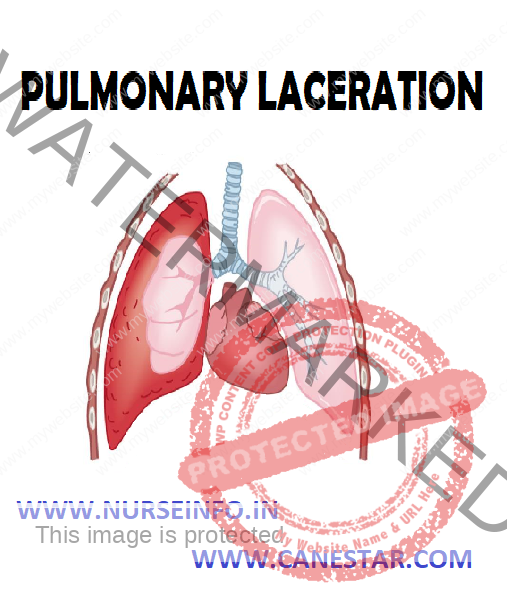
  • Pulmonary laceration: in which lung tissue is torn or cut, differs from pulmonary contusion in that the former involves disruption of the macroscopic architecture of the lung
  • Pulmonary hematoma: when lacerations fill with blood, the result is pulmonary hematoma, a collection of blood within the lung tissue

ETIOLOGY

Pulmonary laceration is a common result of:

  • Penetrating trauma
  • Blunt trauma
  • Broken ribs
  • Shearing forces
  • Violent compression of the chest

CLASSIFICATION

  • Type I lacerations: which occur in the mid-lung area, the air-filled lung bursts as a result of sudden compression of the chest. Also called compression-rupture lacerations, type 1 are the most common type and usually occur in a central location of the lung. They tend to be large, ranging in size from 2 to 8 cm.
  • Type 2 lacerations: result when the lower chest is suddenly compressed and the lower lung is suddenly moved across the vertebral bodies. It is also called compression-shear, tends to occur near the spine and have an elongated shape. Type 2 lacerations usually occur in younger people with more flexible chests.
  • Type 3 lacerations: which are caused by punctures from fractured ribs, occur in the area near the chest wall underlying the broken rib. Also called rib penetration lacerations, type 3 lacerations tend to be small and accompanied by pneumothorax
  • Type 4 lacerations: also called adhesion tears, occur in cases where a pleuropulmonary adhesion had formed prior to the injury, in which the chest wall is suddenly fractured or pushed inward.

PATHOPHYSIOLOGY

Due to etiological factors (causes) —- a pulmonary laceration (causes) —- air to leak out of the lacerated lung and into the pleural space (results in) —- pneumothorax, hemothorax, hemopneumothorax

DIAGNOSTIC EVALUATION

  • X-ray: a chest X-ray of a right-sided pulmonary contusion associated with flail chest and subcutaneous emphysema. Contusion may mask pulmonary laceration on chest X-ray
  • CT scanning: on a CT scan, pulmonary lacerations show up in a contused area of the lung typically appearing as cavities filled with air or fluid that usually have a round or ovoid shape due to the lung’s elasticity
  • Thoracoscopy may be used in both diagnosis and treatment of pulmonary laceration

MANAGEMENT

  • As with other chest injuries, such as pulmonary contusion, hemothorax, and pneumothorax, pulmonary laceration can often be treated with just supplemental oxygen, ventilation, and drainage of fluids from the chest cavity
  • A thoracostomy tube can be used to remove blood and air from the chest cavity. About 5% of cases require surgery, called thoracotomy.

Surgical Treatment

  • Lobectomy: in which a lobe of the lung is removed
  • Pneumonectomy: in which an entire lung is removed

COMPLICATIONS

  • Pulmonary abscess
  • Bronchopleural fistula (a fistula between the pleural space and the bronchial tree)
  • Air embolism: in which air enters the bloodstream, is potentially fatal, especially when it occurs on the left side of the heart
PULMONARY LACERATION – Etiology, Classification, Pathophysiology, Diagnostic Evaluation and Management

TRIGEMINAL NEURALGIA

TRIGEMINAL NEURALGIA (‘TIC DOULOUREUX’) – Etiology, Signs and Symptoms, Types and Management

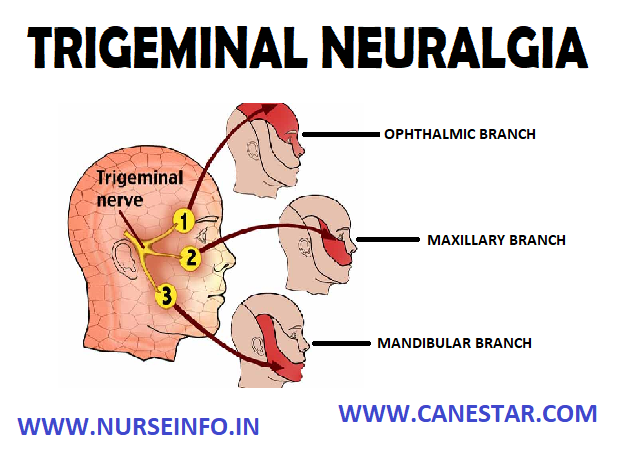
The trigeminal nerve (also called the fifth cranial nerve) is one of the main nerves of the face. It comes through the skull from the brain in front of the ear. It is called trigeminal as it splits into three main branches. Each branch divides into many smaller nerves. The nerves from the first branch go to scalp, forehead and around eye. The nerves from second branch go to the area around cheek. The nerves from the third branch go to the area around jaw. The branches of the trigeminal nerve take sensations of touch and pain to the brain from face, teeth and mouth. The trigeminal nerve also controls the muscles used in chewing and the production of saliva and tears.

In trigeminal neuralgia (TN) sudden pains that come from one or more branches of the trigeminal nerve. The pains are usually severe. The second and third branches are the most commonly affected. Therefore, the pain is usually around the cheek or jaw or both. The first branch is less commonly affected, so pain over forehead and around eye is less common. Trigeminal neuralgia usually affects one side of face.

ETIOLOGY

  • Tumor
  • Multiple sclerosis
  • Abnormality of the base of the skull

SIGNS AND SYMPTOMS

Triggers of pain attacks include the following:

  • Chewing, talking or smiling
  • Drinking cold or hot fluids
  • Touching, shaving, brushing teeth, blowing the nose
  • Encountering cold air from an open automobile window

Pain localization is as follows:

  • Patients can localize their pain precisely
  • The pain commonly run along the line dividing either the mandibular and maxillary nerves or the mandibular and ophthalmic portions of the nerve
  • The pain shoots from the corner of the mouth to the angle of the jaw
  • Pain jolts from the upper lip or canine teeth to the eye and eyebrow
  • Pain involves the ophthalmic branch of the facial nerve

The pain has the following qualities:

  • Characteristically severe, paroxysmal and lancinating
  • Commences with the sensation of electrical shocks in the affected areas
  • Begins to fade within seconds, only to give way to a burning ache lasting seconds to minutes
  • Pain fully abates between attacks, even when they are severe and frequent
  • Attacks may provoke patients to grimace, wince, or make an aversive head movement, as if trying to escape the pain, thus producing an obvious movement, or tic, hence called ‘tic douloureux’.

TYPES OF ‘TIC DOULOUREUX’

Trigeminal neuralgia can be split into different categories depending on the type of pain. These are:

  • Trigeminal neuralgia type 1 (TN1) is the classic form of trigeminal neuralgia. The piercing and stabbing pain only happens at certain times and is not constant. This type of neuralgia is known as idiopathic
  • Trigeminal neuralgia type 2 (TN2) can be referred to as atypical trigeminal neuralgia. Pain is more constant and involves aching, throbbing and burning sensations
  • Symptomatic trigeminal neuralgia (STN) is when pain results from an underlying cause, such as multiple sclerosis

MANAGEMENT

Medical Management

  • The anticonvulsant carbamazepine is the first line treatment, second line medications include baclofen, lamotrigine, oxcarbazepine, phenytoin, gabapentin, pregabalin, and sodium valproate
  • Low doses of some antidepressants such as amitriptyline are thought  to be effective in treating neuropathic pain
  • Duloxetine can also be used in some cases of neuropathic pain, and as it is also an antidepressant can be particularly helpful where neuropathic pain and depression are combined.
  • Opiates such as morphine and oxycodone can be prescribed, and there is evidence of their effectiveness on neuropathic pain, especially if combined with gabapentin
  • Gallium maltolate in a cream or ointment base has been reported to relieve refractory postherpetic trigeminal neuralgia

Deep Brain Stimulation

It involves delivering and electrical pulse to a part of the brain using a probe. A scanning technique (usually MRI or CT) is used to make sure the probe is in the right place

SURGICAL MANAGEMENT

An operation is an option if medication does not work or causes troublesome side-effects. Basically, surgery for trigeminal neuralgia falls into two categories:

  • Decompression surgery: this means an operation to relieve the pressure on the trigeminal nerve. As trigeminal neuralgia are due to a blood vessel in the brain pressing on the trigeminal nerve as it leaves the skull. An operation can ease the pressure from the blood vessel (decompress the nerve) and therefore ease symptoms. This operation has the best chance of long-term relief of symptoms. However, it is a major operation involving a general anesthetic and brain surgery to get to the root of the nerve within the brain. Although usually successful, there is small risk of serious complications, such as a stroke or deafness, following this operation
  • Ablative surgical treatments: ablative means to destroy. There are various procedures that can be used to destroy the root of the trigeminal nerve and thus ease symptoms. For example, one procedure is called stereotactic radiosurgery (gamma knife surgery). This uses radiation targeted at the trigeminal nerve root to destroy the nerve root. The advantage of these ablative procedures is that they can be done much more easily than decompression surgery as they do not involve formal brain surgery. So, there is much less risk of serious complications or death than there is with decompression surgery
  • Balloon compression: it works by injuring the insulation on nerves that are involved with the sensation of light touch on the face. The procedure is performed in an operating room under general anesthesia. A tube called a cannula is inserted through the cheek and guided to where one branch of the trigeminal nerve passes through the base of the skull. A soft catheter with a balloon tip is threaded through the cannula and the balloon is inflated to squeeze part of the nerve against the hard edge of the brain covering and the skull. After about a minute the balloon is deflated and removed along with the catheter and cannula. Balloon compression is generally an outpatient procedure, although sometimes the patient may be kept in the hospital overnight. Pain relief usually lasts one to two years.
  • Glycerol injection: it is also generally an outpatient procedure in which the individual is sedated with intravenous medication. A thin needle is passed through the cheek, next to the mouth and guided through the opening in the base of the skull where the third division of the trigeminal nerve (mandibular) exits. The needle is moved into the pocket of spinal fluid that surrounds the trigeminal nerve center. The procedure is performed with the person sitting up, since glycerol is heavier than spinal fluid and will then remain in the spinal fluid around the ganglion. The glycerol injection bathes the ganglion and damages the insulation of trigeminal nerve fibers. This form of rhizotomy is likely to result in recurrence of pain within a year to two years. However, the procedure can be repeated multiple times.
  • Radiofrequency thermal lesioning (also known as ‘RF Ablation or ‘RF lesion’). It is most often performed on an outpatient basis. The individual is anesthetized and a hallow needle is passed through the cheek through the same opening at the base of the skull where the balloon compression and glycerol injections are performed. The individual is briefly awakened and a small electrical current is passed through the needle, causing tingling in the area of the nerve where the needle tips rests. When the needle is positioned so that the tingling occurs in the area of TN pain, the person is then sedated and the nerve area is gradually heated with an electrode, injuring the nerve fibers. The electrode and needle are then removed and the person is awakened. The procedure can be repeated until the desired amount of sensory loss is obtained; usually a blunting of sharp sensation, with preservation of touch.
  • Stereotactic radiosurgery (gamma knife, cyber knife) uses computer imaging to direct highly focused beams of radiation at the site where the trigeminal nerve exits the brain stem. This causes the slow formation of a lesion on the nerve that disrupts the transmission of sensory signals to the brain.
  • Microvascular decompression (MVD). It is the most invasive of all surgeries for trigeminal neuralgia, but also offers the lowest probability that pain will return. About half of individuals undergoing MVD for trigeminal neuralgia will experience recurrent pain within 12 or 15 years. This inpatient procedure, which is performed under general anesthesia, requires that a small opening be made through the mastoid bone behind the ear. While viewing the trigeminal nerve through a microscope or endoscope, the surgeon moves away the vessel (usually an artery) that is compressing the nerve and places a soft cushion between the nerve and the vessel. Unlike rhizotomies, the goal is not to produce numbness in the face after this surgery. Individuals generally recuperate for several days in the hospital following the procedure, and will generally need to recover for several weeks after the procedure
  • Neurectomy (also called partial nerve section): which involves cutting part of the nerve, maybe performed near the entrance point of the nerve at the brain stem during an attempted microvascular decompression if no vessel is found to be pressing on the trigeminal nerve. Neurectomies are also performed by cutting superficial branches of the trigeminal nerve in the face. When done during microvascular decompression, a neurectomy will cause more long-lasting numbness in the area of the face that is supplied by the nerve or nerve branch that is cut. However, when the operation is performed in the face, the nerve may grow back and in time sensation may return. With neurectomy, there is risk of creating anesthesia dolorosa.

NURSING MANAGEMENT

Nursing Interventions

  • Instruct the client to avoid factors that can trigger the attack and result in exhaustion and fatigue
  • Avoid foods that are too cold or too hot
  • Chew foods in the affected side
  • Use cotton pads gently, wash face and for oral hygiene
  • Provide teaching to clients who have sensory loss as a result of a treatment
  • Inspection of the eye for foreign bodies, which the client will not be able to feel, should be done several times a day
  • Warm normal saline irrigation of the affected eye two or three times a day is helpful in preventing corneal infection
  • Dental checkup every 6 months is encouraged, since dental caries will not produce pain
  • Explain to the client and his family the disease and its treatments
TRIGEMINAL NEURALGIA (‘TIC DOULOUREUX’) – Etiology, Signs and Symptoms, Types and Management

TRACHEOBRONCHIAL INJURY

TRACHEOBRONCHIAL INJURY – Etiology, Clinical Manifestations, Diagnostic Evaluations and Management

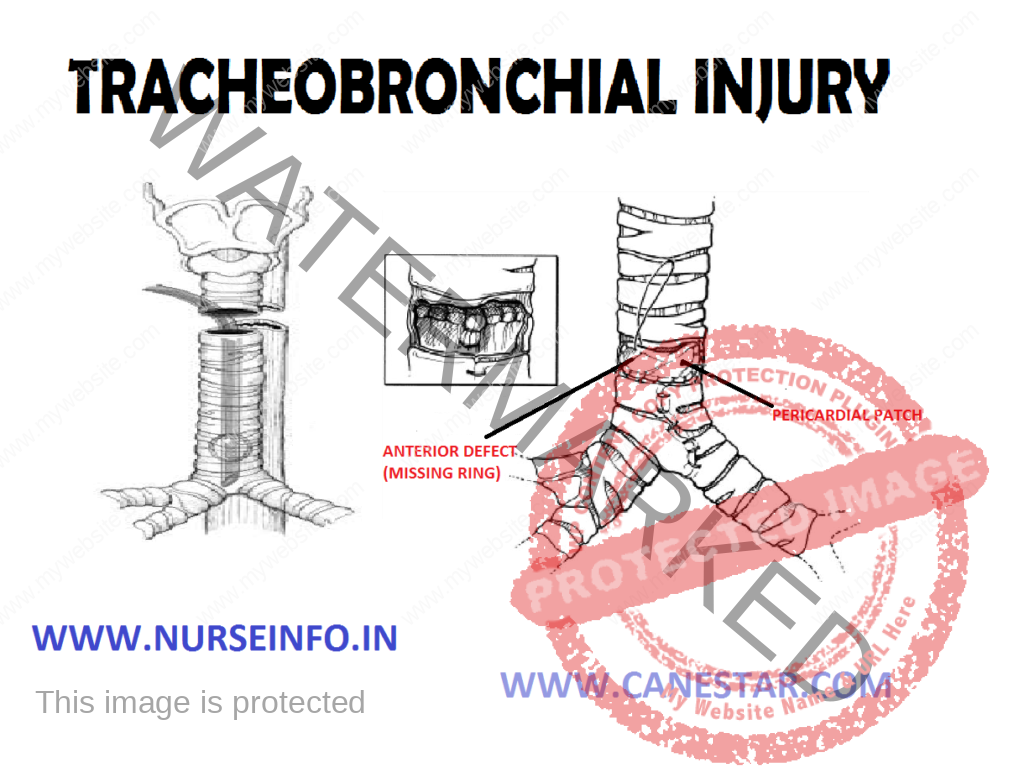
Tracheobronchial injury (TBI) is damage to the tracheobronchial tree (the airway structure involving the trachea and bronchi). It can result from blunt or penetrating trauma to the neck or chest, inhalation of harmful fumes or smoke, or aspiration of liquids or objects.

ETIOLOGY

  • Falls from height
  • Motor vehicle accidents
  • Explosions are another cause
  • Gunshot wounds
  • Knife wounds
  • Edema (swelling)

CLINICAL MANIFESTATIONS

  • Dyspnea
  • Respiratory distress
  • Coughing
  • Hemoptysis
  • Stridor (an abnormal, high-pitched breath sound indicating obstruction of the upper airway can also occur)
  • Necrosis (death of the tissue)
  • Scar formation
  • Stenosis
  • Due to inhalation of foreign body aspiration
  • Medical procedure is uncommon

DIAGNOSTIC EVALUATION

  • Chest X-ray: is the initial imaging technique used to diagnose TBI. X-rays may also show accompanying injuries and signs, such as fractures, and subcutaneous emphysema.
  • CT scanning detects resulting from blunt trauma. CT are a replacement of bronchoscopy

PREVENTION

Vehicle occupants who wear seatbelts have a lower incidence of TBI after a motor vehicle accident.

TREATMENT

  • Endotracheal tube: may be used to bypass a disruption in the airway
  • Tracheotomy: an incision can be made in the trachea (tracheotomy)
  • Mechanical ventilation: such as positive end-expiratory pressure (PEEP) and ventilation at higher-than-normal pressures may be helpful in maintaining adequate oxygenation.

COMPLICATIONS

  • Bronchial stenosis
  • Pneumonia
  • Bronchiectasis
TRACHEOBRONCHIAL INJURY – Etiology, Clinical Manifestations, Diagnostic Evaluations and Management

STERNAL FRACTURE

STERNAL FRACTURE – Etiology, Signs and Symptoms, Diagnostic Test and Treatment

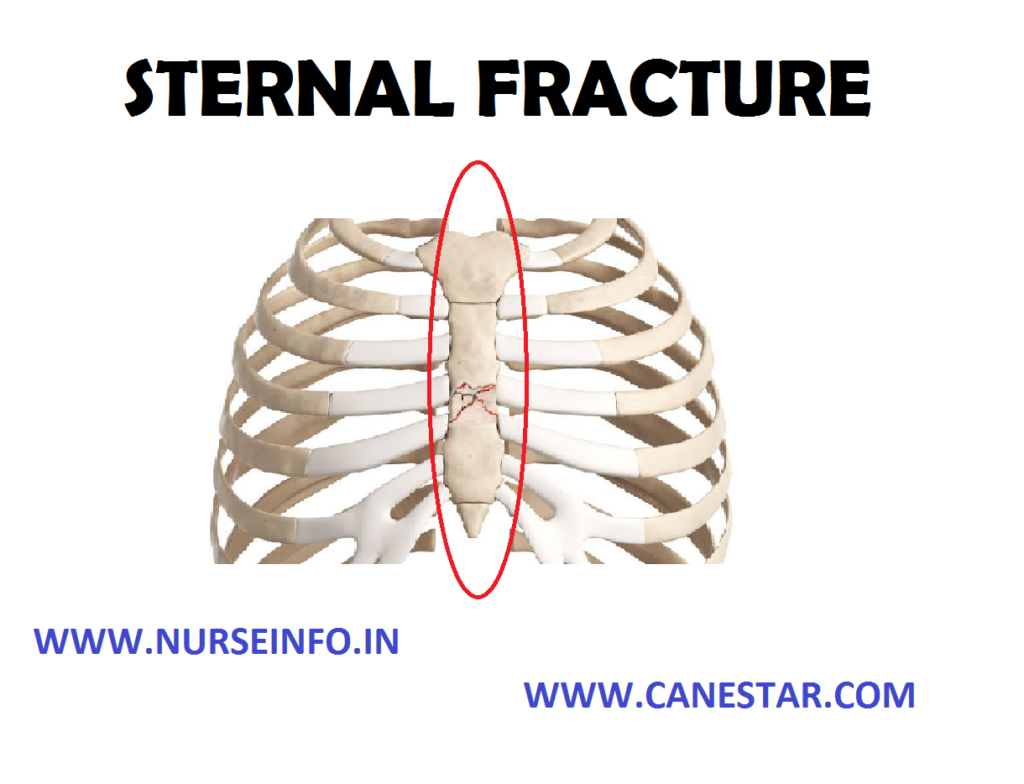
A sterna fracture is a fracture of the sternum located in the center of the chest. The injury that experiences significant blunt chest trauma may occur in vehicle accidents, when the still-moving chest strikes a steering wheel or dashboard, or is injured by a seatbelt. Sternal fractures may also occur as a fracture in people, who have weakened bone in their sternum, due to another disease process

ETIOLOGY

Vehicle collisions are the usual cause of sterna fracture. The injury is estimated to occur in about 3% of auto accidents. The chest of a driver who is not wearing a seatbelt may strike the steering wheel, and the shoulder component of a seatbelt may injure the chest if it is worn without the lap component

SIGNS AND SYMPTOMS

  • Crepitus (a crunching sound made when broken bone ends rub together)
  • Pain
  • Tenderness
  • Bruising
  • Swelling over the fracture site
  • Palpation

DIAGNOSTIC TEST

  • X-rays of the chest are taken in people with chest trauma and symptoms of sternal fractures
  • CT scanning
  • Electrocardiogram and radionucleotide abnormalities (abnormal test results indicating cardiac dysfunction)

TREATMENT

  • Tracheal intubation
  • Mechanical ventilation
STERNAL FRACTURE – Etiology, Signs and Symptoms, Diagnostic Test and Treatment

PYOTHORAX OR EMPYEMA

PYOTHORAX OR EMPYEMA – Stages, Etiology and Risk Factors, Types, Signs and Symptoms, Diagnostic Evaluation and Management

  • Empyema is a collection of pus (dead cells and infected fluid) inside a body cavity. Usually, this term refers to pus inside the pleural cavity, or ‘pleural space’. The pleural cavity is the thin space between the surface of your lungs and the inner lining of chest wall
  • Pleural empyema, also known as pyothorax or purulent pleuritis, is an accumulation of pus in the pleural cavity that can develop when bacteria invade the pleural space, usually in the context of a pneumonia

STAGES OF PYOTHORAX

There are three stages:

  • Exudative: when there is an increase in pleural fluid with or without the presence of pus
  • Fibrinopurulent: when fibrous septa form localized pus pockets
  • Organizing stage: when there is scarring of the pleura membranes with possible inability of the lung to expand

ETIOLOGY AND RISK FACTORS

  • It is the complication of the other medical conditions
  • Bacteria, fungi
  • Lung infections
  • After surgery of lung
  • COPD
  • Lung cancer
  • Procedure like thoracentesis

TYPES

There are two classes of empyema: simple and complex

Simple Empyema

  • Simple empyema is seen early in the course of the illness. In simple empyema, pus is present, but it is free flowing. Treatment at the simple stage is best, because the pleural cavity can easily be drained

Complex Empyema

  • In complex empyema, the inflammation is more severe. The longer the patient have empyema that is left untreated, the greater the chance that it will develop complex empyema
  • In cases of severe inflammation, body forms lots of scar tissue in the pleural space. Formation of scar tissue causes the cavity to become divided into multiple, smaller cavities. This is called loculation. Loculation creates complications, because infected areas that have been walled off can be difficult to drain. Complete drainage of pus from the pleural cavity is essential for treatment

SIGNS AND SYMPTOMS

  • Fever
  • Cough
  • Shortness of breath
  • Pleurisy: pleurisy is chest pain that occurs when you breathe and is caused by inflammation
  • The shortness of breath experienced by patients with empyema occurs when the lungs cannot fully expand
  • Fatigue
  • Loss of appetite
  • Weight loss
  • The most severe signs of empyema are associated with sepsis (the presence of bacteria in the blood).
  • Signs of sepsis include high fever, chills, rapid breathing, a fast heart rate, and low blood pressure. Sepsis is life-threatening and requires emergency treatment

DIAGNOSTIC EVALUATION

Diagnosis of empyema begins with a complete medical history and physical examination. Tests that are useful for diagnosing empyema include:

  • Blood tests, such as:

Blood cultures (to identify what bacterium or organism is causing the infection)

C-reactive protein (CRP) (elevated levels are seen in inflammatory conditions)

White blood cell count (WBC) (elevated levels in inflammatory and infectious conditions)

  • X-ray (to diagnose pneumonia, lung abscess document fluid accumulation)
  • Thoracentesis (aspiration of pleural fluid for microscopic examination and testing)
  • Thoracic ultrasound (use of sound waves to tell if loculations are present)
  • CAT scan of the chest (use of computerized X-ray analysis to evaluate the lungs and pleural space)

TREATMENT OPTIONS

  • Empyema is treated with intravenous antibiotics, such as cephalosporins, metronidazole, and penicillins with beta-lactamase (ampicillin/sulbactam). Clindamycin can be used for patients who are allergic to penicillin
  • Fluids lost, due to lack of appetite and fever, are replaced, and medications such as acetaminophen
  • Pleural fluid drainage: a chest tube is used to drain pus from the pleural space and allow the lungs to expand normally
PYOTHORAX OR EMPYEMA – Stages, Etiology and Risk Factors, Types, Signs and Symptoms, Diagnostic Evaluation and Management

PULMONARY CONTUSION

PULMONARY CONTUSION – Etiology, Pathophysiology, Signs and Symptoms, Diagnostic Evaluations, Prevention and Treatment

  • Contusion is a bruise of the lung caused by chest trauma. As a result of damage to capillaries, blood and other fluids accumulate in the lung tissue. The excess fluid interferes with gas exchange, potentially leading to inadequate oxygen levels or hypoxia.
  • Pulmonary contusion: it is usually caused directly by blunt trauma but can also result from explosion injuries or a shock wave associated with penetrating trauma

ETIOLOGY

  • Motor vehicle accidents are the most common cause of pulmonary contusion
  • Chest strikes the inside of the car
  • Falls
  • Assaults
  • Sports injuries
  • Explosions

PATHOPHYSIOLOGY

Pulmonary contusion (result in) —- bleeding and fluid leakage into lung tissue —- which can become stiffened and lose its normal elasticity —- the water content of the lung increases (leading to) —- frank pulmonary edema (cause) —- hypoxia

SIGNS AND SYMPTOMS

  • Dyspnea (painful breathing or difficulty breathing)
  • Rapid breathing
  • Rapid heart rate
  • Rales (an abnormal crackling sound in the chest accompanying breathing)
  • Bronchorrhea (the production of watery sputum)
  • Wheezing and coughing are other signs
  • Coughing up blood or bloody sputum
  • Cardiac output (the volume of blood pumped by the heart)
  • Hypotension (low blood pressure)
  • Tender or painful

DIAGNOSTIC EVALUATION

  • X-ray: A chest X-ray showing right-sided pulmonary contusion associated with rib fractures and subcutaneous emphysema
  • Computed tomography: a chest CT scan revealing pulmonary contusions, pneumothorax, and pseudocysts. Computed tomography (CT scanning)  is a more sensitive test for pulmonary contusion, and it can identify abdominal chest, or other injuries that accompany the contusion. CT scans also help differentiate between contusion and pulmonary hematoma
  • Ultrasound: an ultrasound image showing early pulmonary contusion, at this moment not visible on radiography

PREVENTION

  • Airbags in combination with seat belts can protect vehicle occupants by preventing the chest from striking the interior of the vehicle during an collision
  • Child restraints such as car seats protect children in vehicle collisions from pulmonary contusion
  • Equipment exists for use in some sports to prevent chest and lung injury, for example, in softball, the catcher is equipped with a chest
  • Protective garments can also prevent pulmonary contusion in  explosions

TREATMENT

  • Ventilation: mechanical ventilation may be required if pulmonary contusion causes inadequate oxygenation
  • Fluid therapy: the administration of fluid therapy in individuals with pulmonary contusion is controversial. Excessive fluid in the circulatory system (hypervolemia) can worsen hypoxia because it can cause fluid leakage from injured capillaries (pulmonary edema) which are more permeable than normal
  • Supportive care: the use of suction, deep breathing, coughing, and other methods to remove material, such as mucus and blood from the airways. Chest physical therapy makes use of techniques, such as breathing exercises, stimulation of coughing, suctioning, percussion, movement, vibration and drainage to rid the lungs of secretions, increase oxygenation and expand collapsed parts of the lungs

COMPLICATIONS

  • Pneumonia
  • Acute respiratory distress syndrome
  • Pulmonary edema
  • Pneumonia
PULMONARY CONTUSION – Etiology, Pathophysiology, Signs and Symptoms, Diagnostic Evaluations, Prevention and Treatment

PLEURAL EFFUSION

PLEURAL EFFUSION – Etiology, Signs and Symptoms, Diagnostic Evaluation and Management

  • Pleural effusion is a collection of fluid in the pleural space, is rarely a primary disease process but is usually occur secondary to other disease
  • Normally small amount of fluid is present in the pleural space (5-15 ml) which acts as lubricant that allows the pleural surfaces to move without friction
  • Pleural effusion may be a complication of heart failure, TB, pneumonia, pulmonary infection, connective tissue disease, pulmonary embolus, neoplastic tumors
  • A pleural effusion is an abnormal amount of fluid around the lungs. A pleural effusion is a buildup of fluid between the layers of tissue that line the lungs and chest cavity

ETIOLOGY

  • Some of the more common causes are:

Congestive heart failure

Pneumonia

Liver disease (cirrhosis)

End-stage renal disease

SIGNS AND SYMPTOMS

  • Shortness of breath
  • Chest pain, especially on breathing in deeply (pleurisy, or pleuritic pain)
  • Fever
  • Cough

DIAGNOSTIC EVALUATION

  • Physical examination
  • Chest X-ray film
  • CT scan
  • Kidney and liver function blood tests
  • Pleural fluid analysis (examining the fluid under a microscope to look for bacteria, amount of protein, and presence of cancer cells)
  • Thoracentesis (a sample of fluid is removed with a needle inserted between the ribs)
  • Ultrasound of the chest and heart

MANAGEMENT

Assessment

  • Obtain history of previous pulmonary conditions
  • Assess patient for dyspnea and tachypnea
  • Auscultation and percussion for lung abnormalities

Medical and Surgical Management

  • Thoracocentesis is done to remove the fluid, collect a specimen, relieve dyspnea
  • Drug therapy: analgesics, antibiotic, corticosteroid therapy

For malignant effusion

  • Chest tube drainage, radiation and chemotherapy, surgical pleuralectomy, pleuroperitoneal shunt
  • Pleurodesis: production of adhesions between the parietal and visceral pleura accomplished by tube thoracostomy

NURSING MANAGEMENT

Nursing Diagnosis

  • Ineffective airway breathing pattern related to collection of fluid after space
  • Pain related to pleuritic fluid in lungs
  • Disturbed sleep pattern related to the pain and dyspnea
  • Anxiety related to the disease process

Nursing Interventions

  1. Ineffective airway breathing pattern related to collection of fluid after space

Interventions

  • Institute treatment to solve the underlying cause ordered
  • Assist with thoracocentesis if indicated
  • Maintain chest diseases
  • Provide care after pleurodesis:

Monitor for excessive pain from the sclerosing agent, which may cause hypoventilation

Administer prescribed analgesic

Administer oxygen to prevent hypoxemia and dyspnea

Observe patient’s breathing pattern

  • Pain related to pleuritic fluid in lungs

Interventions

  • Assess the pain intensity
  • Provide breathing exercises
  • Provide analgesics to relieve the pain
  • Disturbed sleep pattern related to the pain and dyspnea

Interventions

  • Asses the sleeping hours of the patient
  • Provide oxygen administration
  • Provide analgesics to patient
  • Provide cool and calm environment
  • Provide sideline position to the patient to increase the lung capacity

COMPLICATIONS

  • Infection that turns into an abscess, called an empyema, which will need to be drained with a chest tube
  • Pneumothorax (air in the chest cavity) after thoracentesis
  • Cancer
  • Pulmonary embolism
  • Lung damage
PLEURAL EFFUSION – Etiology, Signs and Symptoms, Diagnostic Evaluation and Management

GUILLAIN-BARRE SYNDROME

GUILLAIN-BARRE SYNDROME OR INFECTIOUS POLYNEURITIS – Etiology, Pathophysiology, Signs and Symptoms, Diagnostic Evaluation and Management

  • Guillain-Barre Syndrome (GBS) is a acute condition that involves progressive muscle weakness or paralysis. It is an autoimmune disorder in which the body’s immune system attacks its own nervous system, causing inflammation that damages the myelin sheath of the nerve. This damage (demyleinazation) slows or stops the conduction of impulses through the nerve. The impairment of nerve impulses to the muscles leads to symptoms that may include muscle weakness, paralysis, spasms, numbness, tingling or pin-and-needle sensations and tenderness.

ETIOLOGY

  • Camphylobacter jejuni infection: camphylobacter infection is also the most common risk factor for Guillain-Barre. It is often found in undercooked food, especially poultry.
  • Influenza
  • Cytomegalovirus
  • Epstein-Barr virus infection
  • Mycoplasma pneumonia
  • HIV or AIDS

PATHOPHYSIOLOGY

A condition of symptoms characterized by a widespread, inappropriate inflammatory immune response —- the syndrome progresses from the feet up and generally affects one side more than the other —- nerve condition is interrupted as T-cells are activated and antibodies attack the myelin sheath —- a polyneuropathies, that include the associated neurological symptoms related to immune response —- symptoms continually progress in severity over the course of a few hours to several days —- symptoms initiate in lower extremities with symmetrical paresthesia that may advance to paralysis

SIGNS AND SYMPTOMS

  • Loss of tendon reflexes in the arms and legs
  • Tingling or numbness (mild loss of sensation)
  • Muscle tenderness or pain (maybe a cramp-like pain)
  • Uncoordinated movement (cannot walk without help)
  • Low blood pressure or poor blood pressure control
  • Abnormal heart rate
  • Blurred vision and double vision
  • Clumsiness and falling
  • Difficulty moving face muscles
  • Muscle contractions
  • Feeling the heartbeat

EMERGENCY SYMPTOMS

  • Breathing temporarily stops
  • Cannot take a deep breath
  • Difficulty breathing
  • Difficulty swallowing
  • Drooling
  • Fainting
  • Feeling light-headed when standing

DIAGNOSTIC EVALUATION

  • Spinal tap: this test is also referred to as a lumbar puncture. A spinal tap involves taking a small amount of fluid from the spine in the lower back. The fluid is then tested to detect protein levels. People with Guillain-Barre typically have higher-than-normal levels of protein in their cerebrospinal fluid
  • Electromyography: an electromyography is a nerve function test. It reads electrical activity from the muscles and help to learn if the muscle weakness is caused by nerve damage or muscle damage

MANAGEMENT

  • Physical therapy:  before recovery, a caregiver may need to manually move the arms and legs. This will help the muscles strong and mobile. After recovery, physical therapy will helps to strengthen and flex the muscles again. Therapy includes massages, exercises and frequent position changes.
  • Plasmapheresis: the immune system produces protein called antibodies that normally attack harmful foreign substances, such as bacteria and viruses. Guillain-Barre occurs when the immune system mistakenly makes antibodies that attack the healthy nerves of the nervous system. Plasmapheresis is intended to remove the antibodies attacking the nerves from the blood. During this procedure, blood is removed from the body by machine that removes the antibodies from the blood and then the blood is returned to the body
  • Intravenous immunoglobulin: high doses of immunoglobulin can also help to block the antibodies causing Guillain-Barre.

NURSING MANAGEMENT

Nursing Diagnosis

  • Ineffective breathing pattern and airway clearance related to respiratory muscle weakness or paralysis, decreased cough reflex, immobilization
  • Impaired physical mobility related to paralysis, ataxia
  • Risk for impaired skin integrity, pressure sores related to muscle weakness, paralysis, impaired sensation, changes in nutrition, incontinence
  • Imbalanced nutrition, less than body requirements related to difficulty chewing, swallowing, fatigue, limb paralysis
  • Impaired elimination: constipation, diarrhea, related to inadequate food intake, immobilization
  • Impaired verbal communication related to the VII cranial nerve paralysis, tracheostomy
  • Ineffective copying related to the patient’s disease state

Interventions

  • Monitor respiratory status through vital capacity measurements, rate and depth of respirations and breath sounds
  • Monitor level of muscle weakness as it ascends toward respiratory muscles. watch for breathlessness while talking which is a sign of respiratory fatigue
  • Monitor the patient for signs of impending respiratory failure
  • Monitor gag reflex and swallowing ability
  • Position patient with the head of bed elevated to provide for maximum chest excursion
  • Avoid giving opioids and sedatives that may depress respirations
  • Position patient correctly and provide range-of-motion exercises
  • Provide good body alignment, range-of-motion exercises, and change of position to prevent complications such as contractness, pressure sores, and dependent edema
  • Ensure adequate nutrition without the risk of aspiration
  • Encourage physical and occupational therapy exercises to help the patient regain strength during rehabilitation phase
  • Provide assistive devices as needed (cane or wheelchair) to maximize independence and activity
  • If verbal communication is possible, discuss the patient’s fears and concerns
  • Provide choices in care to give the patient a sense of control
  • Teach patient about breathing exercises or use of an incentive spirometer to re-establish normal breathing patterns
  • Instruct patient to wear good supportive and protective shoes while out of bed to prevent injuries due to weakness and paresthesia
  • Instruct patient to check feet routinely for injuries because trauma may go unnoticed due to sensory changes
  • Urge the patient to maintain normal weight because additional weight will further stress monitor function
  • Encourage scheduled rest periods to avoid fatigue
FLAIL CHEST

FLAIL CHEST – Characteristics, Etiology, Signs and Symptoms and Treatment

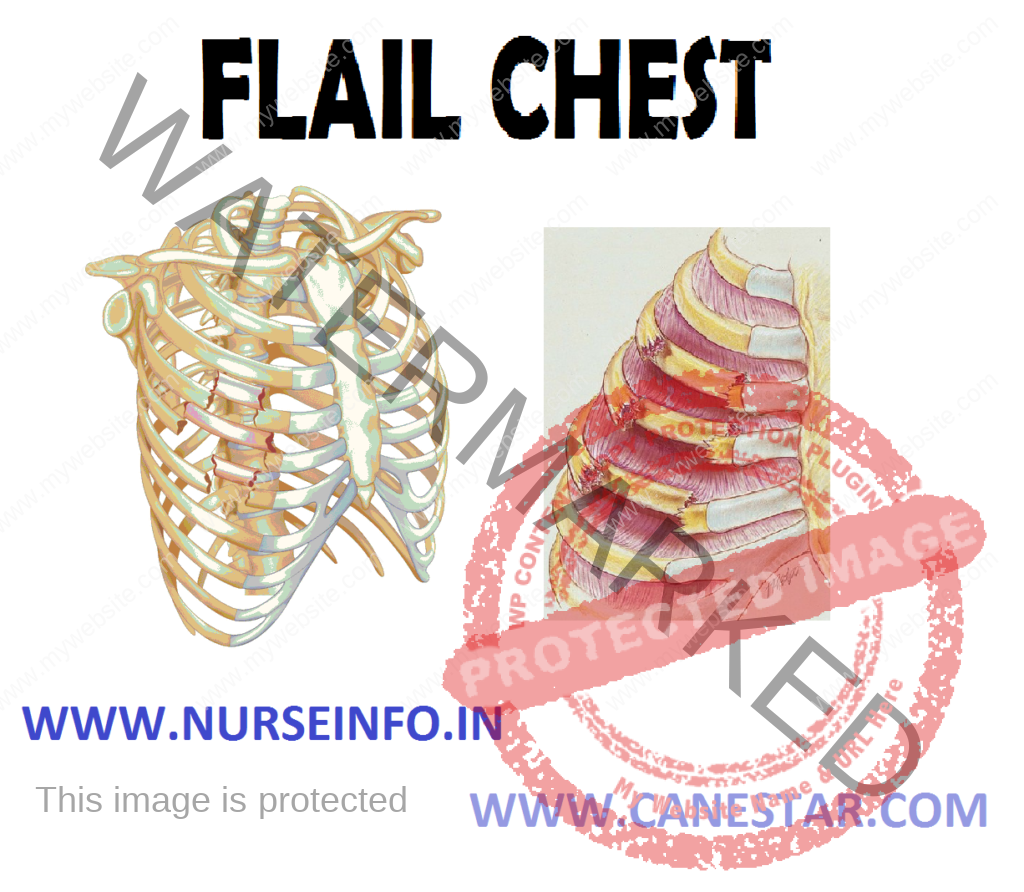
A flail chest is a life-threatening medical condition that occurs when a segment of the rib cage breaks under extreme stress and becomes detached from the rest of the chest wall. It occurs when multiple adjacent ribs are broken in multiple places, separating a segment, so a part of the chest wall moves independently.

CHARACTERISTICS

  • During normal respiration, the diaphragm contracts and intercostals muscles push the rib cage out. Pressure in the thorax decreases below the atmospheric pressure, and air rushes in through the trachea. However, a flail segment will not resist the decreased pressure and will appear to push in while the rest of the rib cage expands.
  • During normal expiration, the diaphragm and intercostals muscles relax, allowing the abdominal organs to push air upwards and out of the thorax. However, a flail segment will also be pushed out while the rest of the rib cage contracts

ETIOLOGY

This typically occurs when three or more adjacent ribs are fractured in two or more places, allowing that segment of the thoracic wall to displace and move independently of the rest of the chest wall. Flail chest can also occur when ribs are fractured proximally in conjunction with disarticulation of costal cartilages distally. For the condition to occur, generally there must be a significant force applied over a large surface of the thorax to create the multiple anterior and posterior rib fractures. Rollover and crushing injuries most commonly break ribs at only one point – for flail chest to occur, a significant impact is required, breaking the ribs in two or more places.

SIGNS AND SYMPTOMS

  • Fracture is extremely painful, and untreated, the sharp broken edges of the ribs
  • Puncture in the pleural sac and lung
  • Pneumothorax

TREATMENT

Treatment of the flail chest initially follows the principles of advanced trauma life support. Further treatment includes:

  • Good analgesia including intercostals blocks, avoiding narcotic analgesics as much as possible. This allows much better ventilation, with improved tidal volume, and increased blood oxygenation
  • Positive pressure ventilation, meticulously adjusting the ventilator settings to avoid pulmonary barotrauma
  • Chest tubes as required
  • Adjustment of position to make the patient most comfortable and provide relief of pain
  • Aggressive pulmonary toilet

SURGICAL FIXATION

  • Can help in significantly reducing the duration of ventilator support and in conserving the pulmonary function
  • A patient may be intubated with a double lumen tracheal tube. In a double lumen endotracheal tube, each lumen may be connected to a different ventilator. Usually one side of the chest is affected more than the other. So each lung may require drastically different pressures and flows to adequately ventilate
FLAIL CHEST – Characteristics, Etiology, Signs and Symptoms and Treatment
Nurse Info